
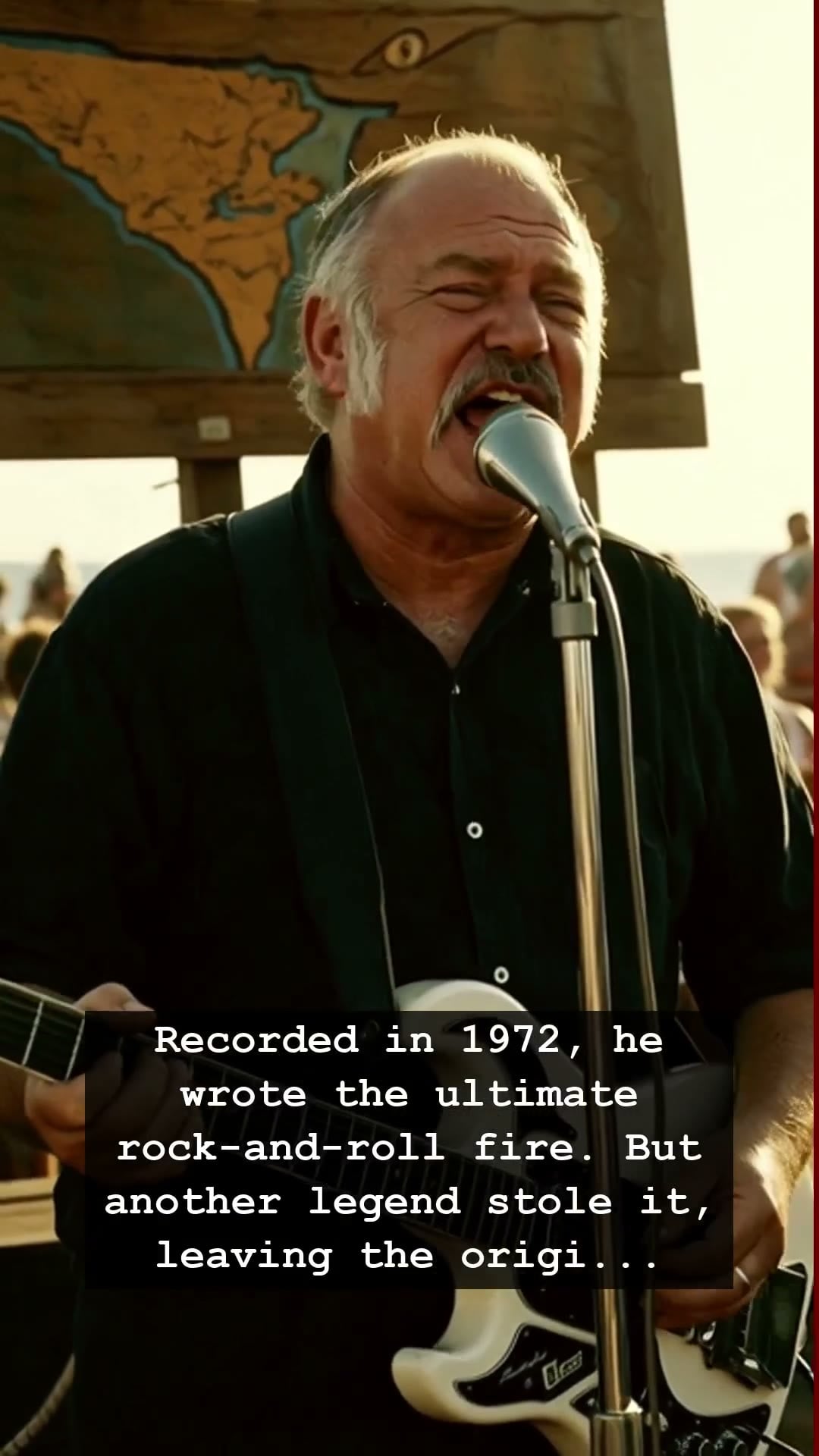
In the golden era of the 1960s and 70s, the jukebox was the heartbeat of American culture, flickering with the promise of stardom for those who could capture lightning in a bottle. Yet, for Arthur Alexander, the man often called the father of Southern soul, the rhythm of fame was a cruel dance. While names like The Beatles and The Rolling Stones were busy enshrining their own legends in the halls of history, a quiet, brilliant architect of sound was watching his own masterpieces be painted over by others. It is a tale of genius eclipsed by circumstance, a narrative that remains one of music history’s most bittersweet ironies.
The story centers on a man whose influence far outweighed his public recognition. Arthur Alexander was a pioneer who fused country sensibilities with the raw, rhythmic fire of rhythm and blues long before it was fashionable to do so. In 1972, he poured his soul into a track that should have cemented his legacy as a rock-and-roll titan. It was a fiery, evocative anthem, drenched in the authentic, gritty emotion that defined the Muscle Shoals sound. Yet, the song did not catch the public imagination as his own; instead, it drifted into the ether, waiting for a more famous set of lungs to claim the glory.
As the world was distracted by the glitz of Studio 54 and the rising influence of MTV, the music industry proved to be an unforgiving machine. While the cover version of his work soared to the top of the charts and became a global phenomenon, Arthur Alexander found himself far from the bright lights of the stage. In a twist of fate that feels like a scene from a tragic documentary, the man who penned the very fire that set the world alight ended up driving a bus in silence. He navigated the quiet streets of the city, the hum of the engine replacing the roar of an adoring crowd, while his melody played from radios in homes he would never visit.
There is a haunting beauty in this reality. Arthur Alexander never achieved the massive, stadium-filling success of his peers, but his fingerprints are all over the evolution of modern rock. He was the bridge between the simplicity of early soul and the explosive potential of British Invasion rock. To listen to his original recordings now is to hear the raw, unvarnished truth before it was polished for the masses. He didn’t just sing; he lived the friction, the heartbreak, and the hope that defines the classic American sound.
Today, we look back at his story as a reminder of the fragility of fame. The industry is littered with legends, but few carried the quiet dignity of Arthur Alexander. He remains a secret treasure for the true enthusiast, a phantom of the soul era who never got his full due. As you revisit these classics, remember the man behind the wheel. The next time a familiar chorus hits your ears, listen past the production and the stardom to hear the original spark—the ghost of a song that belonged to Arthur Alexander all along.