
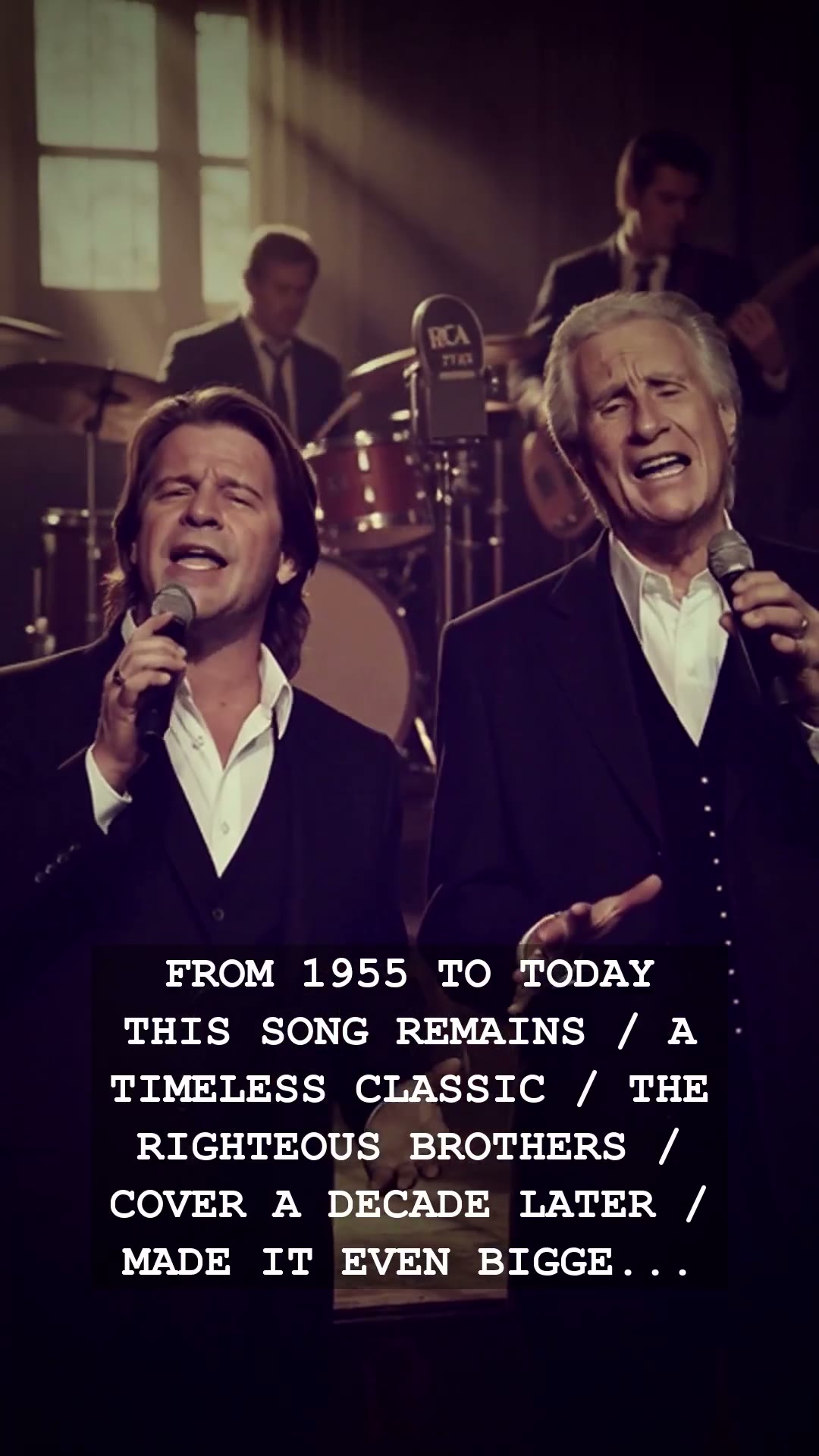
It begins with a simple, aching piano chord that seems to suspend time itself, hanging in the air like smoke in a dimly lit 1960s lounge. When Bobby Hatfield stepped up to the microphone to record Unchained Melody, he wasn’t just performing a song; he was capturing a raw, agonizing yearning that would haunt listeners for generations. While the track originated as a modest film theme in 1955, it was the soulful, blue-eyed grit of The Righteous Brothers that transformed it into a timeless monument of American pop culture, cementing their legacy in the golden annals of music history.
To understand the magic, one must look at the tension between Bobby Hatfield and his partner, Bill Medley. They were the original ‘blue-eyed soul’ icons, yet their relationship was a volatile concoction of immense talent and clashing egos. Beneath the polished facade of their success lay a grueling world of constant competition, where every take in the studio felt like a battle for supremacy. Bobby Hatfield, known for that soaring, breathless tenor, often carried the weight of the duo’s emotional vulnerability, channeling his own personal battles with fame and inner turmoil into every single note he held.
The recording session for this masterpiece was far from a peaceful affair. In the confined, high-pressure atmosphere of the mid-sixties, the duo fought for creative control, yet when the tapes finally rolled, the friction vanished, replaced by an eerie, haunting synchronization. That specific 1965 recording didn’t just climb the charts; it became the soundtrack for a generation clutching their Walkmans and tuning into the early, transformative years of music television. It was an era where the Jukebox was the heartbeat of every roadside diner, and no song could clear a dance floor or stop a conversation faster than the opening bars of this classic.
What makes the story of Bobby Hatfield and his performance so enduring is the shadow of what came after. The song became a curse as much as a blessing, a towering achievement that cast a long, inescapable shadow over his later years. As the industry shifted through the decades—from the glitz of the disco age to the raw angst of grunge—the song remained an unshakeable constant. It reminds us of a time when vocalists didn’t rely on studio trickery to convey heartbreak; they simply bled into the microphone until the audience felt the sting.
Decades later, we still reach for this track when we need to be reminded of the power of pure, unadulterated passion. Whether you discovered it through the cinematic nostalgia of the 1980s or found it tucked away on a dusty vinyl record, the impact remains the same. Bobby Hatfield may have long since left the stage, but whenever that soaring bridge hits, he is right there with us, still pouring his soul into the melody. Take a moment today to listen again, and let the ghosts of the past wash over you.