
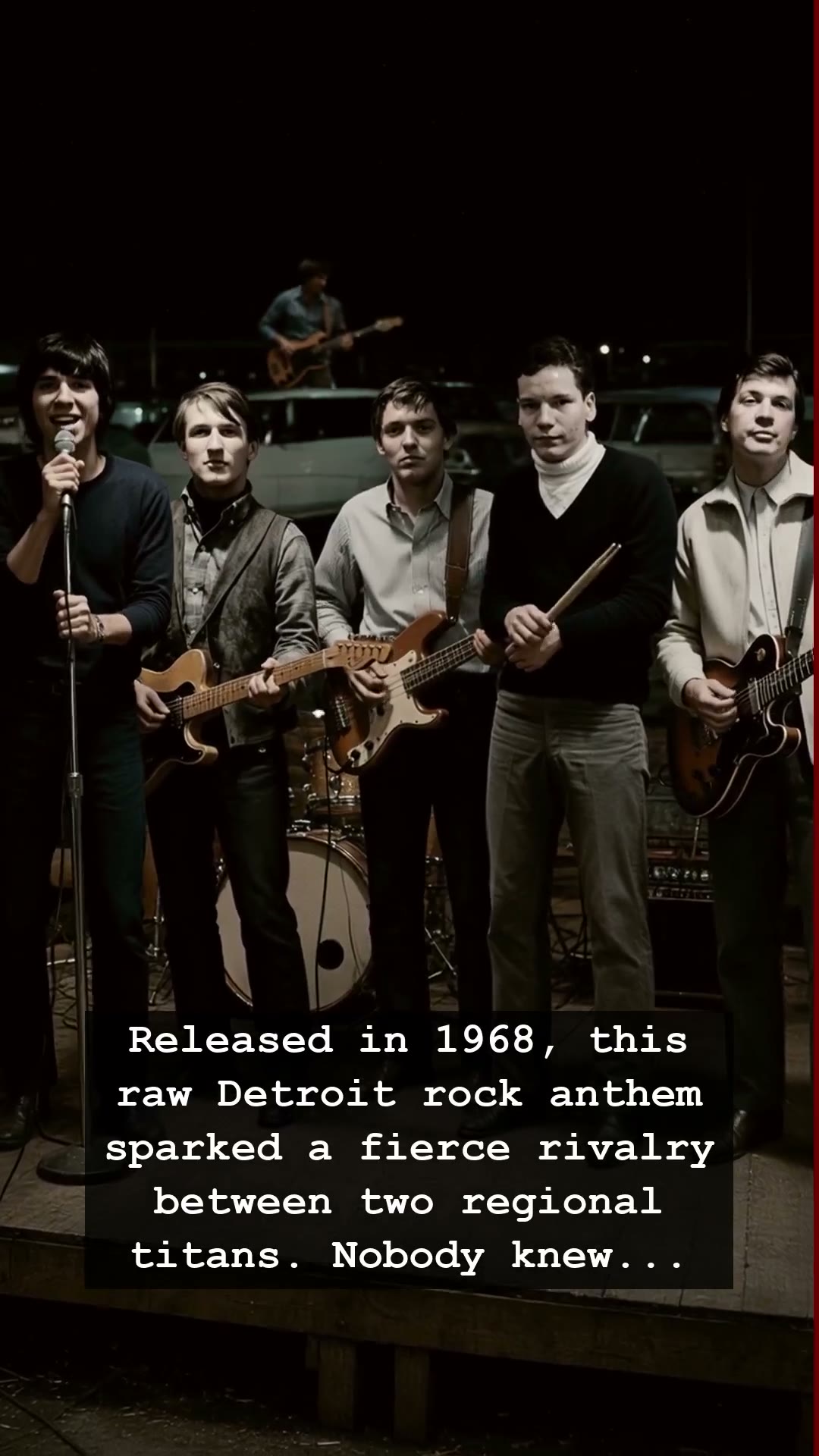
It was 1968, and the air in Detroit tasted like gasoline and overdrive. Long before the polished synthetic sheen of later decades took over the radio, the Motor City was a battlefield. In the smoky, dimly lit clubs that served as the heartbeat of the region, a quiet but cutthroat war was brewing. At the center of this collision stood two titanic figures, Bob Seger and Mitch Ryder, both fighting for the soul of a sound that was as gritty as the assembly lines that built their cars. It wasn’t just about melody; it was about who owned the raw, industrial power of Michigan rock.
Mitch Ryder had already tasted the top of the charts with his high-octane delivery, backed by the legendary Detroit Wheels. He possessed a volcanic stage presence that made every performance feel like a house on fire. But across the neon-lit circuit, a younger, gravel-voiced challenger named Bob Seger was rising fast. Seger wasn’t just a singer; he was a songwriter crafting anthems that spoke directly to the working-class spirit of the Midwest. When the two crossed paths, the rivalry went beyond professional competition. It was an intense struggle for artistic legitimacy that forced both men to push their voices and their bands to the absolute brink of exhaustion.
The tension often spilled over into the studios, where every track became a high-stakes gamble. For fans who gathered around the local jukeboxes of the late sixties, the choice between a Mitch Ryder record and a fresh Bob Seger cut felt like picking a side in a cultural revolution. This was the era of pure, unfiltered rock ‘n’ roll, played with sweat-drenched instruments and captured on magnetic tape that crackled with authenticity. It was a time when success wasn’t measured in viral trends, but in how many fans you could electrify in a packed, claustrophobic venue until the floorboards literally rattled.
Looking back, this rivalry highlights the dark side of ambition. The pressure to stay relevant in a rapidly changing musical landscape often led to severe mental strain and the quiet desperation that accompanies the pursuit of fame. Bob Seger and Mitch Ryder weren’t just musicians; they were products of a city that demanded perfection or nothing at all. Their competition forced the industry to take notice of Detroit as more than just an automotive hub, effectively planting the seeds for the harder, heavier sounds that would dominate the coming decades of arena rock.
Today, the echo of that 1968 friction remains a cornerstone of American rock history. It serves as a reminder of an age when music felt dangerous, personal, and profoundly real. Whether you favor the raw, soulful howl of Mitch Ryder or the storytelling grit that eventually propelled Bob Seger to international superstardom, there is no denying that the Detroit feud was a defining moment for the craft. As we listen to those classic tracks today, we aren’t just hearing songs; we are hearing the reverberations of two legends who risked everything to define the sound of a generation.