
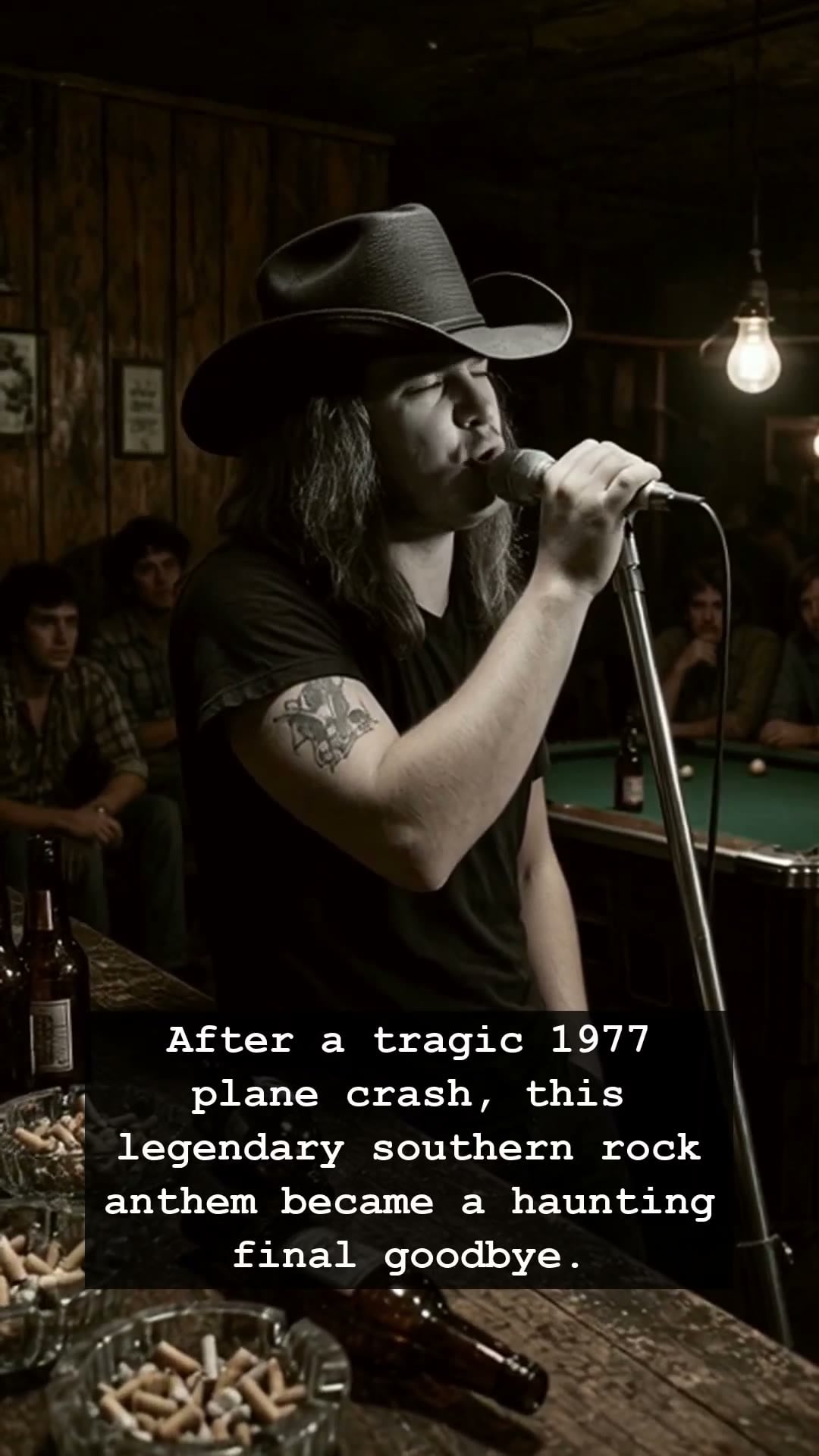
The year was 1977, and the air was thick with the scent of gasoline and cheap beer at a sold-out arena. For fans of the era, the Southern Rock movement was not just a genre; it was a way of life, a defiant roar against the polished pop music emanating from coastal studios. At the center of this storm stood Lynyrd Skynyrd, a band of brothers fueled by whiskey, grit, and the kind of musical chemistry that happens once in a generation. Their signature anthem, Free Bird, was a ten-minute pilgrimage of guitar virtuosity that ended every concert with the intensity of a religious experience. No one knew that, in just a few short days, those closing notes would transform from a concert staple into a haunting, posthumous eulogy for a band whose flight would literally end in flames.
On October 20, 1977, a charter plane carrying the band ran out of fuel while flying over the swamplands of Mississippi. The silence that followed the crash was deafening. It took the lives of lead singer Ronnie Van Zant, guitarist Steve Gaines, and backing vocalist Cassie Gaines. In a single, horrific moment, the heart of Southern Rock was ripped out. The music that once soundtracked the freedom of the American highway suddenly became synonymous with the fragility of life. For the millions of listeners who had experienced their raw power, the band was no longer just a group of musicians; they became icons of a tragic, beautiful, and unstoppable force that ended far too soon.
What makes the legacy of Lynyrd Skynyrd so enduring is the emotional weight they carried even before the tragedy. Their sound was a tapestry of blues-soaked storytelling and aggressive guitar interplay, capturing the soul of a working-class South that felt misunderstood by the rest of the nation. Songs like Sweet Home Alabama and Free Bird were anthems for those who lived with the windows rolled down, listening to the static of AM radio. Even as disco started to dominate the airwaves and the glossy excess of the late 70s loomed, Lynyrd Skynyrd remained defiantly authentic, refusing to polish their rough edges for the mainstream machine.
Looking back, the tragedy feels even more surreal given the band’s meteoric rise. They had just released their album Street Survivors, and the cover art—which showed the band engulfed in flames—was hastily recalled and replaced after the crash, an eerie coincidence that haunts record collectors to this day. It serves as a grim reminder of how quickly the light can fade. Yet, every time the iconic guitar solo of Free Bird cuts through the airwaves, the band is resurrected. It is a moment of communal catharsis where the past meets the present, and for a few fleeting minutes, the victims of that tragic flight are back on stage, alive and untouchable.
Today, we look back at the Lynyrd Skynyrd story not just to mourn, but to marvel at the sheer force of their artistry. They taught us that music is the only medium capable of outliving the silence. Whether you are an old-school fan who caught them in their prime or a newcomer discovering the depth of their catalog, the band remains a permanent fixture in the soundtrack of our collective memory. Their legacy reminds us that even when the music stops, the melody remains forever etched in the history of rock and roll. Let their story be a reminder to cherish every note while it is still playing.