
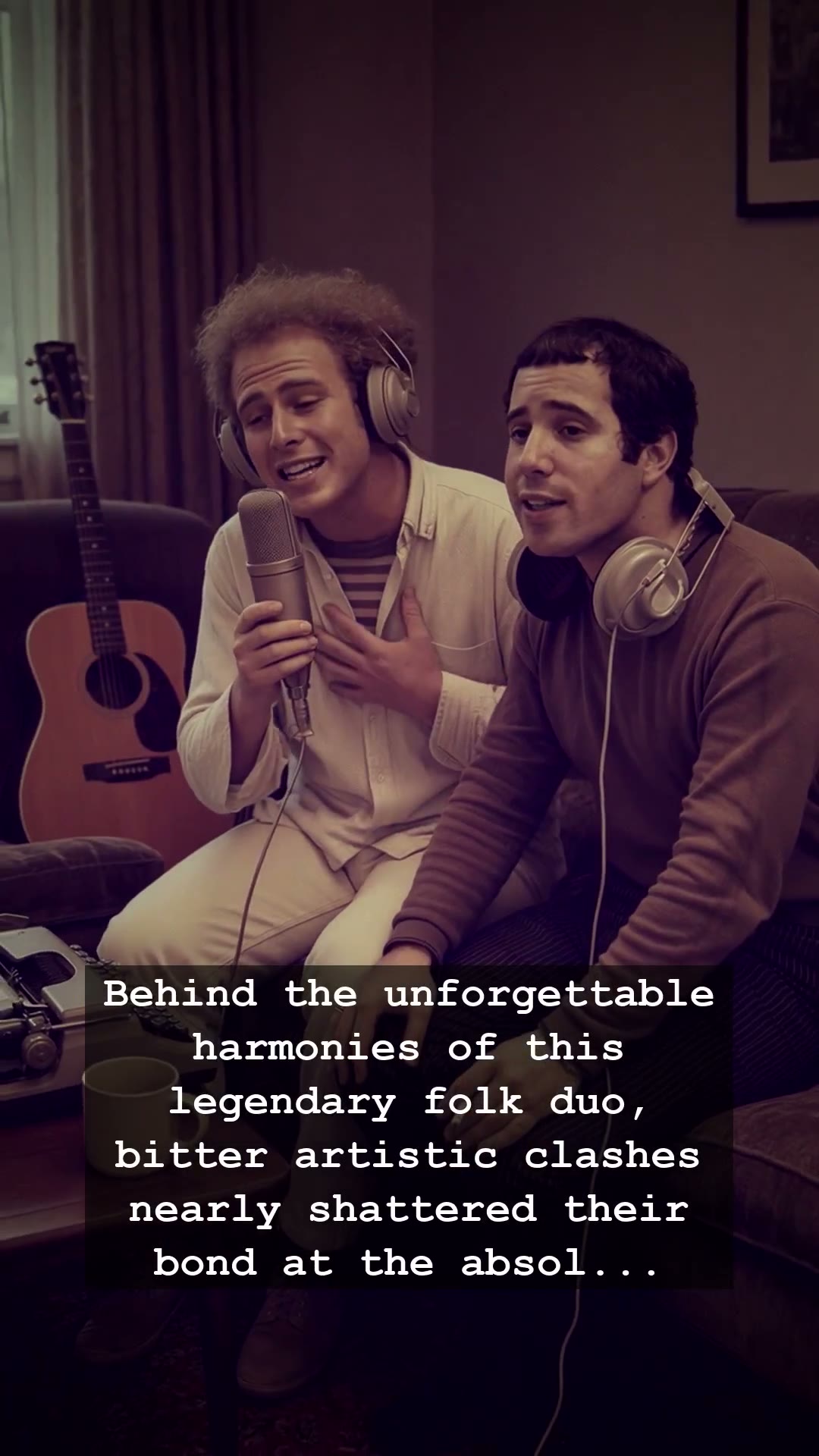
It is easy to get lost in the angelic, velvet-soft vocals that defined the 1960s, but the story of Simon and Garfunkel is far from the gentle folk balladry their music suggests. Beneath the shimmering melodies of The Sound of Silence and Bridge Over Troubled Water lay a fractured relationship fueled by creative ego, professional resentment, and a silence that eventually grew louder than any guitar riff. While fans were busy spinning their records on home hi-fis, the duo was locked in a private war that threatened to dismantle one of the most successful musical partnerships in history.
Paul Simon and Art Garfunkel were more than just childhood friends from Queens; they were architectural geniuses of sound. Yet, as their fame surged during the mid-sixties, the dynamic shifted. Paul Simon, the meticulous songwriter and driving force of the duo’s artistic vision, often felt the burden of carrying the creative weight, while Art Garfunkel, with his ethereal, soaring tenor, was the face the public adored. The friction intensified as they transitioned from folk clubs to the grand stage of world stardom. By the time they reached the peak of their influence, the studio had become a battlefield of passive-aggression and artistic clashing.
The tension truly reached a breaking point during the grueling recording sessions for their final studio album. The recording of The Boxer, for instance, became a marathon of perfectionism that stretched their friendship to the brink. Simon, a man who saw music as an extension of his own psyche, and Garfunkel, a man who wanted the freedom to interpret that art in his own way, found themselves speaking different languages. It was no longer just about the chords; it was about who held the power. When the cameras of the era captured their smiles for the press, the cold distance in their eyes told a different story—one of two men trapped in a cage of their own making.
This collapse was a tragedy of the era, mirroring the shifting tides of late-sixties culture. As the world moved from the innocent hope of folk music toward the gritty, psychedelic explosions of Woodstock and the rising influence of harder rock, Simon and Garfunkel remained frozen in a delicate dance of past grievances. Their breakup in 1970 was not just an end to a partnership; it was the silencing of a distinct sonic era. The irony remains that their greatest hit, Bridge Over Troubled Water, was a plea for support, yet it served as the very foundation upon which their personal bond would ultimately crumble.
Today, we look back at their catalog with a bittersweet nostalgia that is hard to shake. We hear the perfection in their harmonies, but we now know the price of that beauty. Simon and Garfunkel remain an essential pillar of American music, a reminder that genius often comes with a devastating human cost. When you listen to their timeless records today, remember that the most beautiful songs were often birthed in the deepest shadows of their silence. Their story lingers on, as fragile and haunting as the melodies they once shared with the world.