
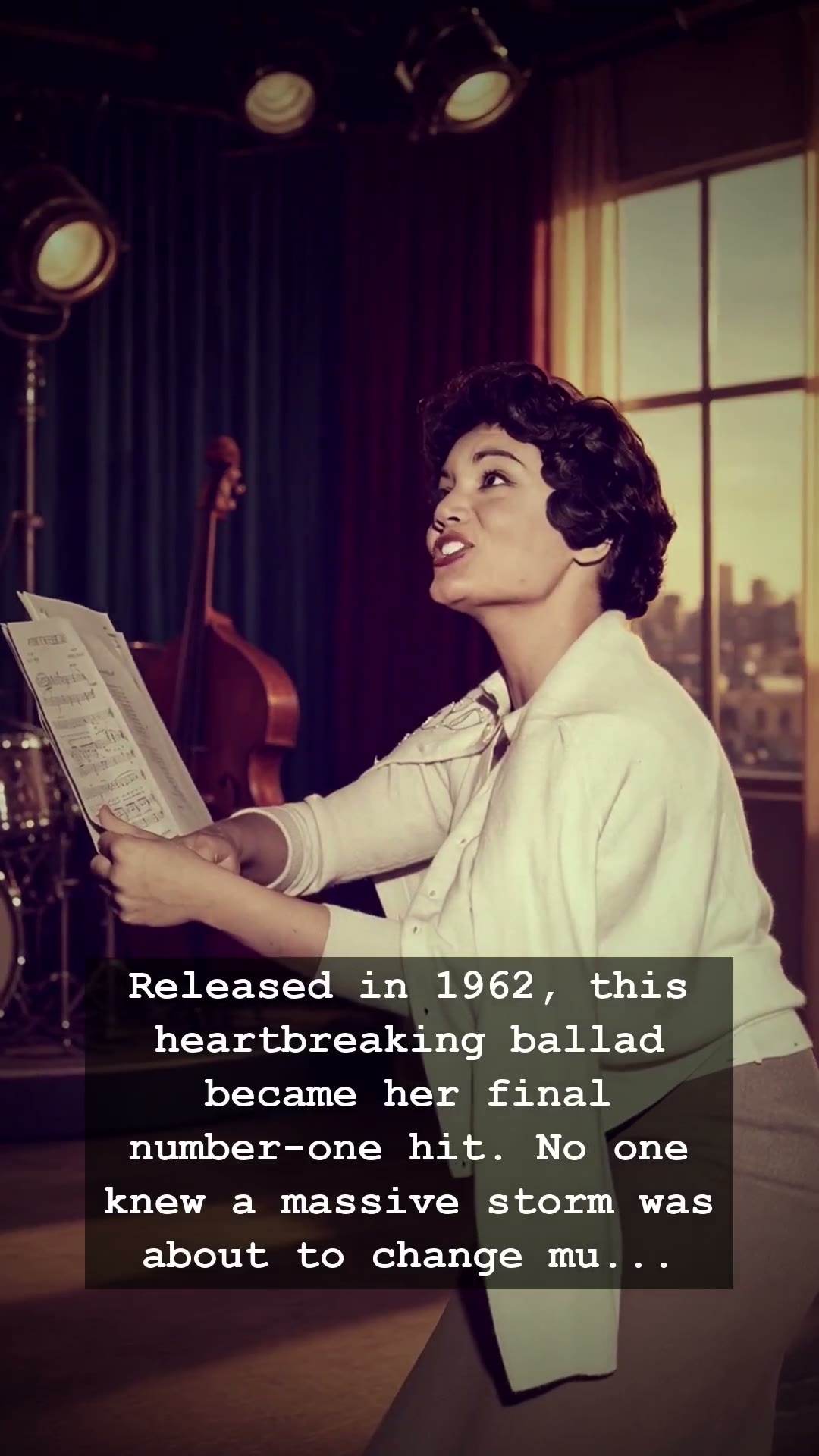
It was 1962, a year hanging in the delicate balance between the innocence of early rock and the impending cultural earthquake of the British Invasion. When Connie Francis released her tear-jerking ballad ‘Don’t Break the Heart That Loves You,’ the world was still dancing to the soft glow of the jukebox, unaware that the tectonic plates of pop culture were about to shift forever. As the song climbed the charts to claim the number-one spot, it marked more than just a commercial victory; it was the bittersweet twilight of a musical era. Connie Francis, with her signature powerhouse vocals and vulnerable delivery, captured the collective heart of a generation that had no idea that the Beatles were waiting in the wings to rewrite the rulebook.
To understand the significance of this moment, one must look at the landscape of the early 60s. Connie Francis was already an undisputed icon, a bridge between the post-war traditional pop and the burgeoning teenage angst of the rock and roll movement. She stood as a beacon of polished, emotive storytelling in an era where the sound of a crackling 45-rpm record could define a person’s entire summer. Yet, the recording of ‘Don’t Break the Heart That Loves You’ carries a heavy weight of nostalgia. It was her final journey to the summit of the Billboard charts, standing tall as one of the last bastions of traditional pop before the sonic rebellion of the mid-60s washed away the status quo.
The studio atmosphere during that time was electric, yet deeply isolating for artists like Connie Francis. Behind the glamour of her televised performances and the glossy magazine features, she navigated the relentless pressure of a music industry that was notoriously unforgiving. While she poured her soul into microphones, the industry was already hunting for the next big sensation, desperate to shed the skin of the 50s. The drama wasn’t just in the lyrics of her ballads; it was in the invisible wall forming between the established American stars and the incoming tide of British groups destined to dominate the airwaves and redefine the MTV generation that would follow years later.
Looking back, Connie Francis remains a symbol of an era that valued the raw power of the human voice above all else. Her ability to convey heartbreak was unmatched, turning personal melodies into anthems for millions who sat by their radios, clutching their own Walkman-less memories. This specific hit was a masterpiece of timing, arriving just before the silence of the old guard set in. It was a beautiful, melancholy farewell to the dominance of the solo balladeer, a moment of sonic perfection that felt like it would last forever, even as the walls of the industry were beginning to crumble.
Today, when we spin these tracks, we are doing more than listening to music; we are witnessing a ghost of a golden age. Connie Francis did not just sing a song; she immortalized a feeling of impending loss that resonated deeply with the spirit of 1962. We invite you to close your eyes, let the needle drop, and revisit the haunting grace of Connie Francis, a reminder of the timeless human drama that lies beneath every melody we once held dear.