
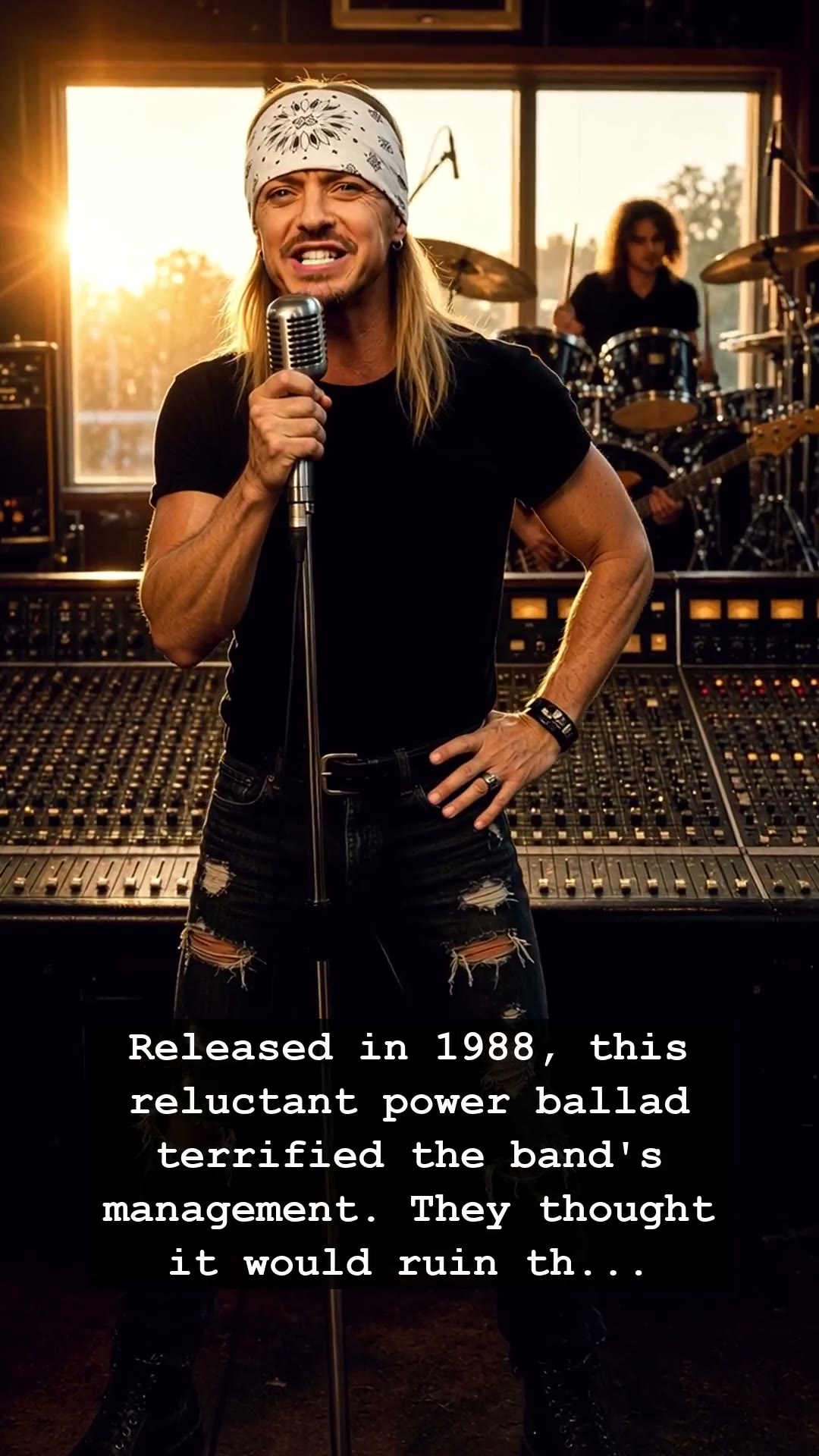
In the neon-soaked landscape of 1988, the Sunset Strip was a pressure cooker of excess, hairspray, and denim. Poison, the poster boys of the glam metal scene, were riding a wave of rowdy, guitar-driven anthems that kept the clubs shaking. Yet, tucked away in the tracklist of their sophomore album was a song that terrified their management. It was a power ballad called Every Rose Has Its Thorn, a vulnerable, acoustic-led confession that stood in stark contrast to the aggressive, high-octane rock they were expected to deliver. To the suits running the show, this song was a career-killing liability, a soft detour that threatened to alienate their hard-rocking core audience forever.
Bret Michaels wrote the lyrics in a lonely laundromat, a stark departure from the glitz of the arena stage. He was pouring out the pain of a long-distance relationship, capturing a raw, universal ache that felt worlds away from the party-centric anthems Poison was famous for. When he brought the song to the rest of the band and their label, the reaction was immediate panic. Management argued that a band defined by tight spandex and wild hair couldn’t afford to get sentimental. They feared that appearing soft would be the ultimate betrayal of their heavy metal identity, effectively rendering them irrelevant in a scene that demanded toughness above all else.
Despite the intense pushback, the band stood their ground. They recognized something honest in the melody that no amount of corporate marketing could manufacture. When Every Rose Has Its Thorn finally hit the airwaves, the cultural response was seismic. Instead of destroying their career, the song became a massive, chart-topping anthem that defined a generation. It turned Poison from mere club icons into global superstars, proving that even within the hardened world of hair metal, there was room for heart, regret, and the bittersweet sting of reality. It played through every teenager’s Walkman and became a mandatory feature of late-night radio.
Looking back, the success of this track serves as a fascinating look into the late eighties, a time when the boundaries of genres were constantly being challenged. It represents that pivotal moment when the raw, unfiltered emotions of rock stars finally pierced through the carefully constructed artifice of the glam metal aesthetic. The song captured the transition from the wild party nights of the Sunset Strip to a more introspective era, mirroring the vulnerability that lived just beneath the surface of the loud, chaotic lifestyle many fans idolized from afar.
Today, the legacy of Poison remains inextricably linked to this unlikely hit. It serves as a reminder that the most authentic art often comes from the risks management tries to bury. Whether you remember hearing it on MTV for the first time or spinning the vinyl until the grooves wore thin, this power ballad continues to endure, bridging the gap between a lost era and the listeners who still find solace in its melancholic chords. Do you remember where you were when the first notes of this classic anthem hit your radio?