
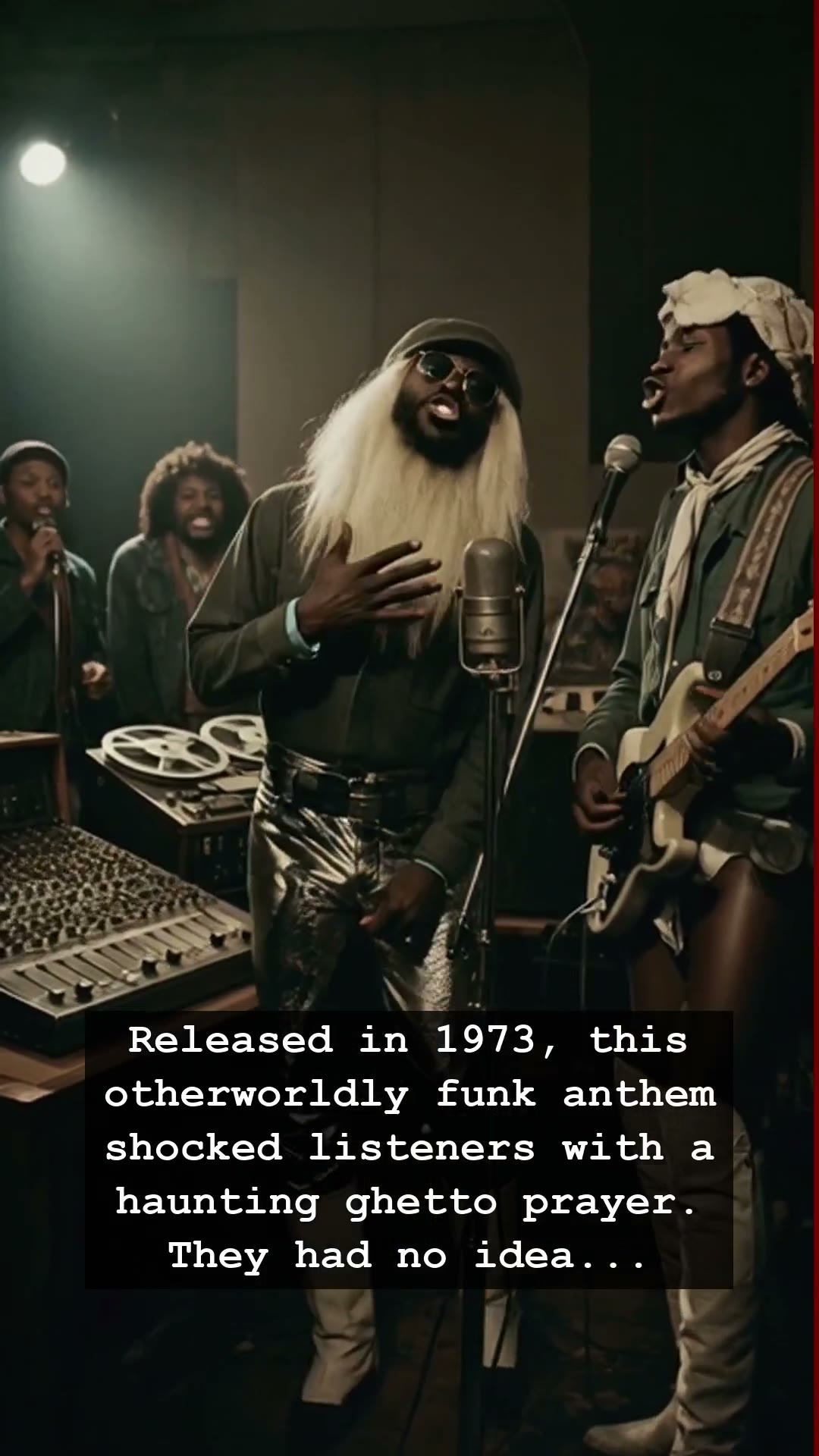
In 1973, the airwaves were still reeling from the polished hits of Motown and the soft rock takeover, but deep in the shadows of the recording studio, something otherworldly was brewing. When listeners first heard the haunting, psychedelic opening chords of George Clinton and Funkadelic’s Maggot Brain, it didn’t just feel like a song—it felt like a transmission from another dimension. This was not the upbeat, dance-floor-ready funk that would later define the Studio 54 era; this was a visceral, guttural prayer from the ghetto, a sonic manifestation of the raw soul of America that shattered every expectation of what a Black rock band could sound like.
At the center of this musical earthquake was the visionary mad scientist himself, George Clinton. By 1973, Clinton had already begun shedding the doo-wop skin of his early days to embrace the extraterrestrial, high-concept chaos of the P-Funk collective. The recording of the album’s title track remains one of the most legendary stories in music history. Legend has it that Clinton, seeking a sound that captured absolute despair and transcendent release, told his lead guitarist, Eddie Hazel, to play as if he had just been told his mother had died. The result was a ten-minute improvised masterpiece that remains arguably the most soul-baring guitar solo ever captured on tape.
While the world was shifting toward the disco fever that would eventually dominate the decade, George Clinton was digging into the psyche of a nation. This wasn’t just music; it was a cosmic trip. The haunting atmosphere of Funkadelic’s work during this period served as a mirror to the societal turbulence of the early seventies. It resonated with a generation feeling the weight of post-Woodstock disillusionment, providing a soundtrack for those who found comfort in the strange, the distorted, and the deeply authentic. It was the grit beneath the glamour of the burgeoning rock scene, a bridge between Hendrix’s acid-drenched experimentation and the heavy, rhythmic thump of the future funk movement.
Looking back, the cultural impact of George Clinton during this era is impossible to overstate. He wasn’t just performing; he was curating a mythology. From the flamboyant costumes that would influence the glam metal excesses of the eighties to the deep, space-age philosophy embedded in his lyrics, Clinton challenged every boundary of race and genre. He took the soulful tradition and injected it with a lethal dose of psychedelia, proving that the ghetto prayer could be just as profound as a stadium anthem. It was a brave refusal to be categorized, a stance that allowed Funkadelic to survive the changing tides of the music industry.
Even decades later, that haunting 1973 energy refuses to fade. You can still hear the DNA of George Clinton and his Funkadelic collective in modern hip-hop, electronic music, and the endless revival of classic funk. It remains a stark reminder of a time when artists weren’t afraid to take risks that felt like emotional suicide. The music of that era holds a specific, dusty-vinyl warmth that digital streaming platforms can never truly replicate. It captures a moment where the world was wide open, and the only rule was that the groove had to be absolute. Do you remember the first time those cosmic chords pulled you into the void?