
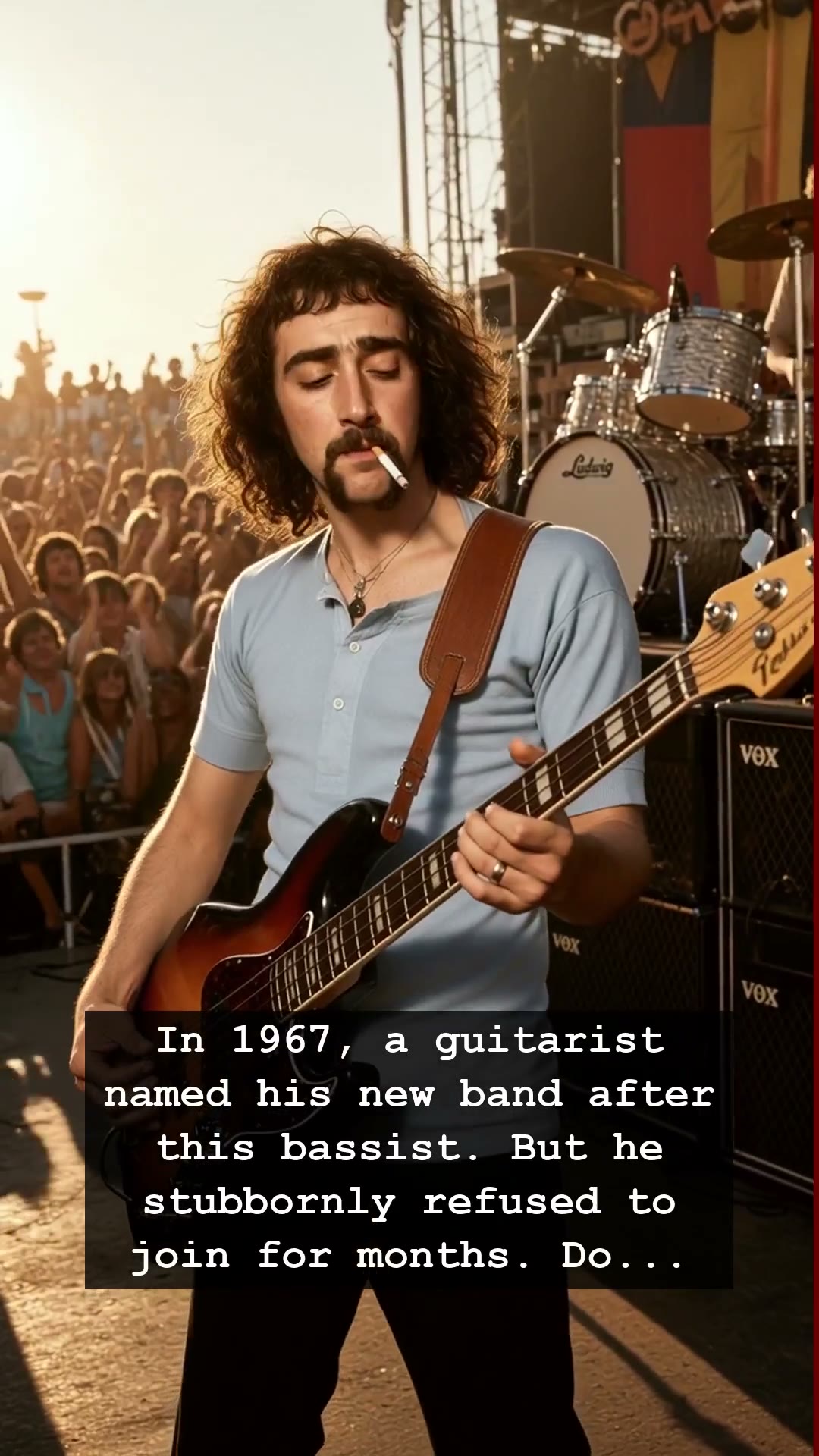
Picture the London music scene in 1967. The air in the smoky clubs was thick with the scent of cheap beer and the rebellious spirit of the blues-rock explosion. Peter Green, a guitar virtuoso with a soul that bled through his strings, was obsessed with a specific rhythm section. He wasn’t just looking for any musician; he was looking for the backbone of the British blues movement. He wanted John McVie. In a move that would define the sound of a generation, Green named his brand-new band Fleetwood Mac, directly honoring the rhythm duo of Mick Fleetwood and John McVie. There was just one massive, glaring problem: John McVie wanted absolutely nothing to do with it.
At the time, John McVie was playing with John Mayall’s Bluesbreakers, a steady gig that provided a reliable paycheck and the prestige of backing one of the finest bluesmen in England. While the nascent Fleetwood Mac began their journey into the unknown, John McVie stayed firmly rooted in his comfort zone. For months, Peter Green persisted, holding the spot open like a vacancy for a king. It was a bizarre, high-stakes standoff. Here was a band named after a man who refused to even step into the rehearsal room. It took a leap of faith, a bit of coaxing, and perhaps the undeniable pull of destiny to finally get the bassist to trade his secure gig for the volatile, shimmering promise of the Mac.
When John McVie finally relented and picked up his bass, the puzzle was complete. His style wasn’t flashy or demanding; it was the steady, thumping heartbeat of the blues. He provided the gravity that anchored Peter Green’s ethereal, crying guitar solos. This transition wasn’t just a band recruitment; it was the birth of a rhythm section that would survive decades of turmoil, internal heartbreak, and shifts from gritty blues to the polished, massive pop-rock success of the late seventies. John McVie brought a grounded professionalism that balanced the stormiest personalities in rock history.
Decades later, when you hear the steady, hypnotic line of a classic track, you are hearing the stubborn determination of a man who almost stayed away. John McVie’s refusal to join initially only added to the legend of his necessity. Without that specific, understated precision, the band that would eventually conquer the charts and soundtrack the lives of millions might have vanished into obscurity as just another blues covers outfit. He proved that the most important element in a band is often the one that refuses to play for the spotlight.
Today, we look back at that era through a golden lens of nostalgia, hearing the echo of the Jukebox and the crackle of vinyl. John McVie remains a quiet titan, a reminder that the best music is often built on foundations of refusal, tension, and eventual, perfect alignment. It is a timeless rhythm that still resonates in our living rooms and on our turntables, a testament to the fact that sometimes, the best things in life are the ones we have to wait a little bit longer to hear.