
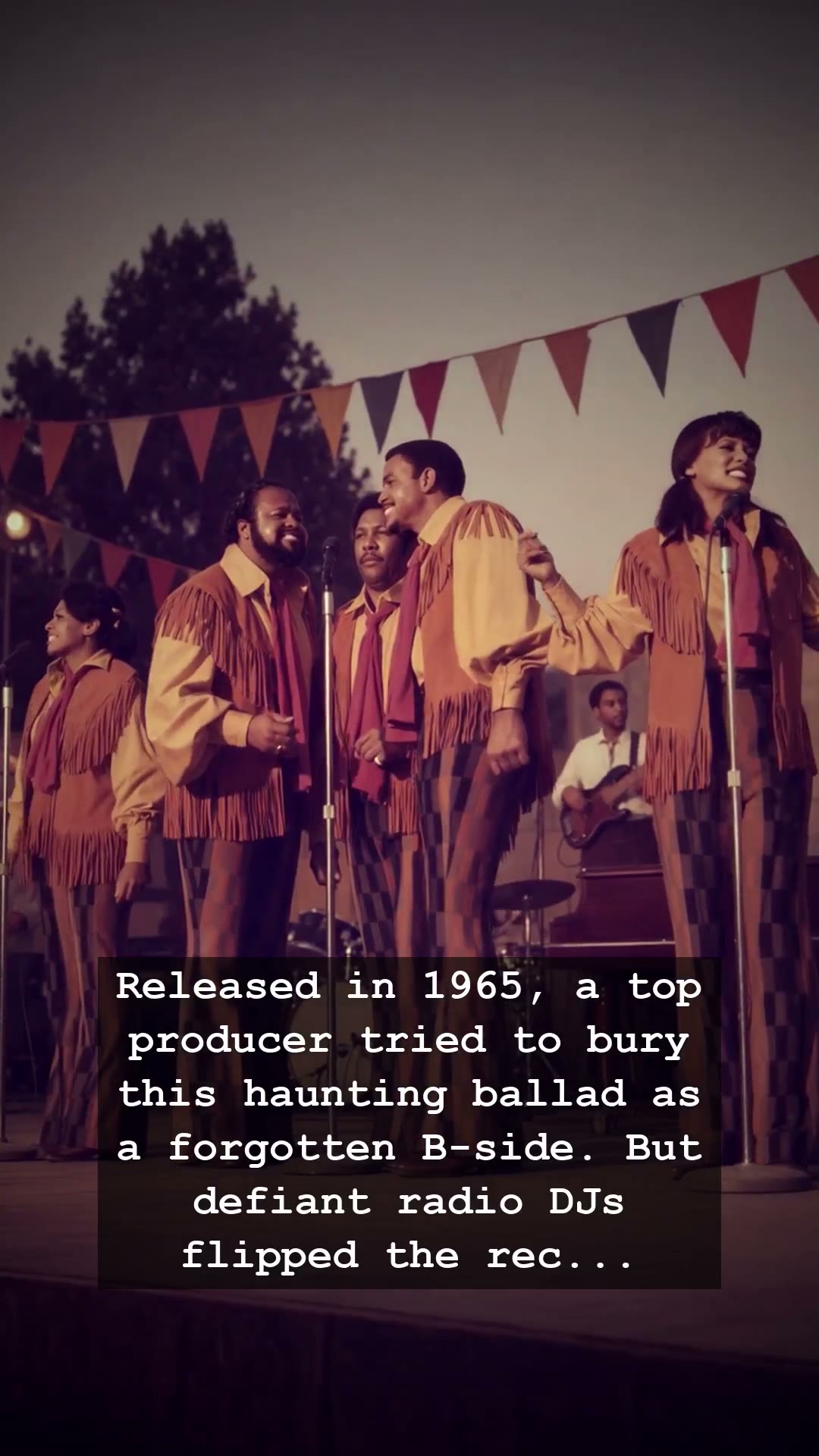
In the mid-sixties, the airwaves were crowded with the polished harmonies of Motown and the rising tide of the British Invasion. Amidst this sonic revolution, a blue-eyed soul duo known as The Righteous Brothers stepped into a Los Angeles studio. They were looking for magic, but they were about to encounter a boardroom disaster. Their producer, the legendary Phil Spector, had his sights set elsewhere, viewing their haunting rendition of Unchained Melody not as a hit, but as mere filler for a B-side. To Spector, the song was an afterthought, a piece of studio clutter to be buried in the archives of history. He pushed for other tracks, hoping to steer the duo toward a more radio-friendly commercial sound that aligned with the trends of 1965.
Yet, music has a way of finding its own destiny. When the record hit the shelves, something inexplicable happened. Across the country, rebellious radio DJs—men who cared more about the raw, emotive power of a track than a producer’s corporate mandates—began to take notice of the flip side. They played the B-side, and the response was electric. Listeners, caught in the hypnotic, soaring baritone of Bobby Hatfield, flooded the stations with requests. It was a grassroots uprising in the age of vinyl, proving that the corporate suits could not silence the raw, aching beauty that defined The Righteous Brothers at their absolute peak.
This was an era defined by the crackle of the Jukebox and the intimacy of AM radio. When Unchained Melody first climbed the charts, it didn’t just represent a hit song; it captured the desperate, yearning soul of a generation standing on the precipice of change. The Righteous Brothers brought a gospel-infused intensity to the track, a vulnerability that felt dangerous in a time of manufactured pop stars. The song became a testament to the fact that when music is truly honest, it demands to be heard, regardless of how many executives attempt to stash it away in the vaults.
Looking back, the success of the track feels like a stroke of poetic justice. It is a haunting ballad that transformed from a rejected studio afterthought into one of the most recognizable melodies of the twentieth century. Even today, hearing those opening piano chords transports us back to a time when music felt tactile, personal, and profoundly deep. The Righteous Brothers managed to capture lightning in a bottle, creating a timeless anthem that survived its own sabotage.
Decades later, the legacy of this defiance lives on. It reminds us that the best art often comes from the friction between the artist’s vision and the industry’s constraints. The Righteous Brothers taught us that a song doesn’t need permission to become an icon; it just needs a soul. As the needle drops and that legendary vocal begins, we aren’t just listening to a record; we are listening to a story of victory against the odds. If you ever find yourself wandering through the golden age of American music, remember the song that refused to be forgotten.