
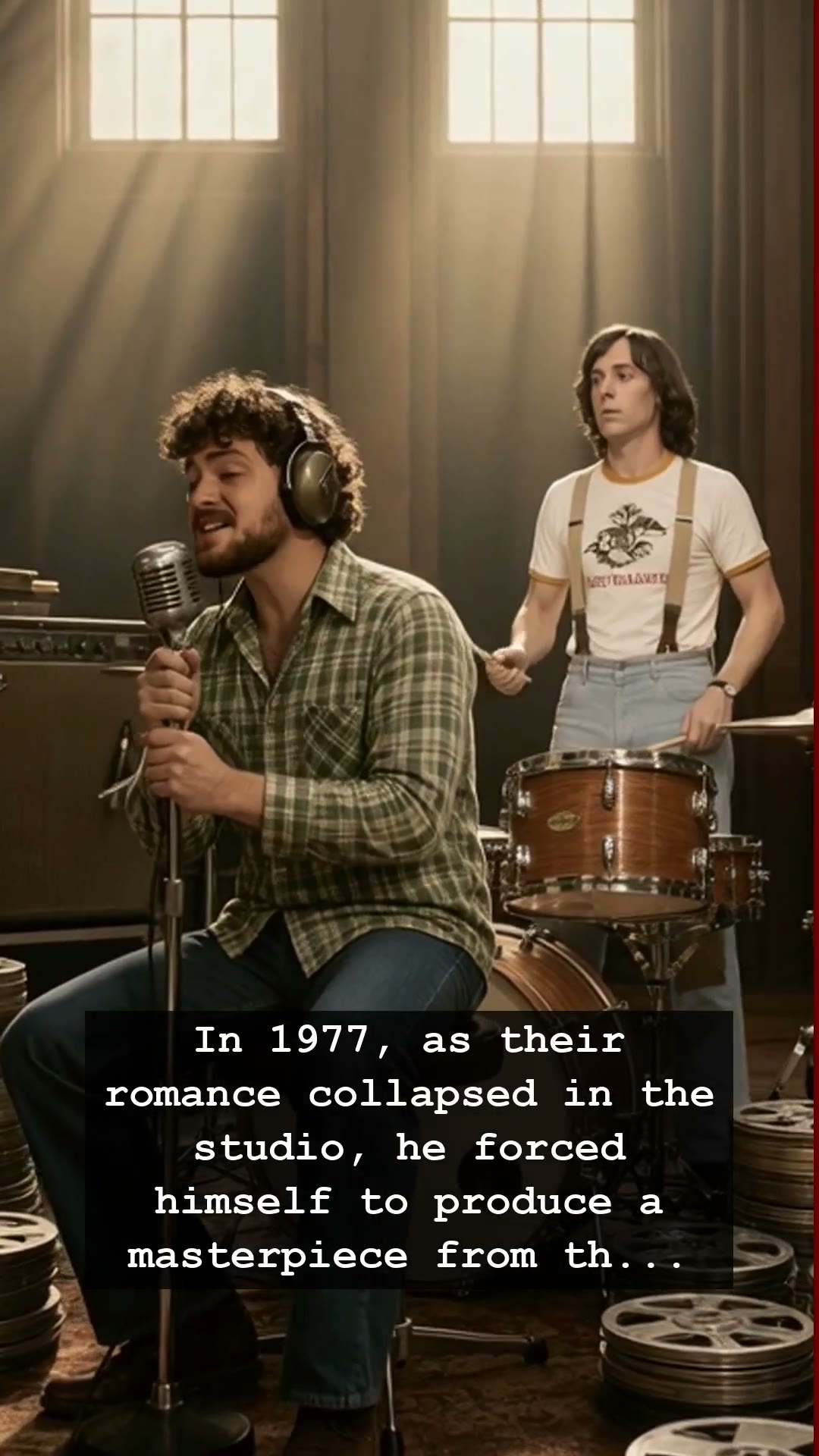
In 1977, the world was spinning to the pulse of the disco era and the neon allure of Studio 54, but inside a quiet California recording studio, a different kind of fire was burning. Fleetwood Mac was not just recording an album; they were documenting the agonizing collapse of two core relationships. As the love between Lindsey Buckingham and Stevie Nicks, as well as the marriage of Christine and John McVie, disintegrated in real-time, the tension became the invisible architect of their greatest masterpiece. It was a suffocating pressure cooker where heartbreak was captured on magnetic tape and turned into the multi-platinum sensation known as Rumours.
Imagine the scene: the band members barely speaking to each other outside of the recording booth, yet forced to harmonize on tracks that dissected their very own infidelities and betrayals. It is a cinematic irony that the most beautiful, melodic pop-rock harmonies of the era were born from pure, unadulterated animosity. Lindsey Buckingham, in particular, channeled his shattered ego into intricate guitar work and production, turning his grief into a sonic weapon. Every note on that record carries the weight of a dying romance, an emotional honesty that listeners felt deep in their bones when they first slid the vinyl onto their turntables.
This was not just music; it was a public therapy session masked as high-octane rock and roll. The studio became a sanctuary and a prison, a place where the band members had to sit across from their ex-lovers while demanding perfection in every take. This visceral, raw authenticity is exactly why the album resonates decades later. In an era before the digital polish of modern production, Fleetwood Mac offered a grit that felt dangerous. It reminded the listeners of the golden age of the jukebox, where a song could serve as both a jagged blade and a warm embrace for the brokenhearted.
Looking back, the success of Rumours remains a haunting testament to how trauma can be transmuted into art. By the time the world heard the final mix, the damage to their personal lives was irreparable, yet the band had secured their place in the pantheon of legends. The tragedy was that the chemistry which made them untouchable as musicians was the very thing that destroyed them as human beings. It is a cautionary tale of the dark side of fame, where the line between personal identity and professional performance blurred into non-existence.
Today, when you hear the opening chords of The Chain or Go Your Own Way, you are hearing the echo of those California nights where love died so that legends could live. Fleetwood Mac taught an entire generation that even when a relationship crumbles, the echoes can last for an eternity. Do you remember the first time those melodies pulled at your own heartstrings, or do you still feel the ghost of that 1977 heartbreak lingering in the grooves of the record?