
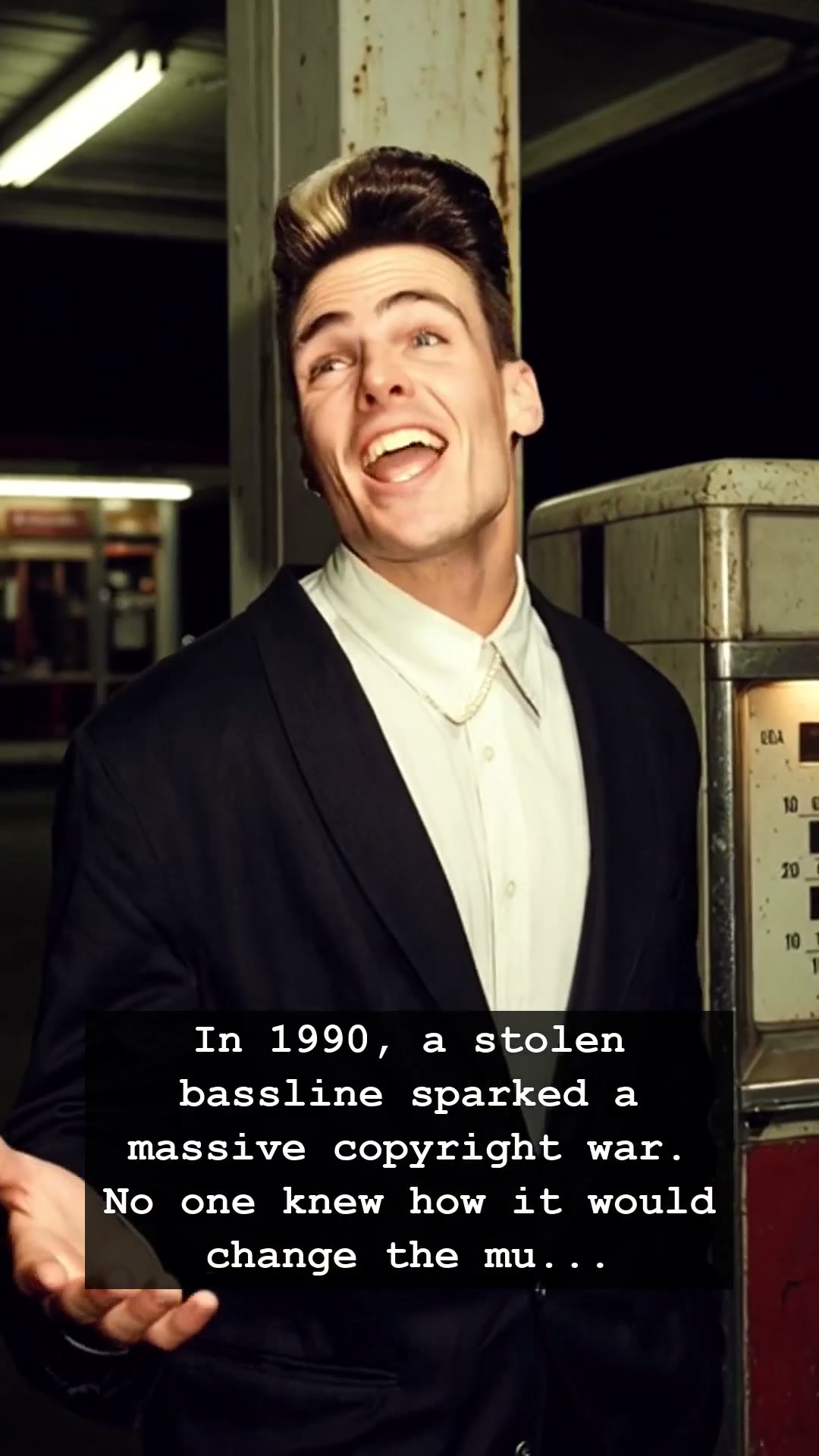
The year was 1990, and the airwaves were dominated by the neon-drenched glitz of MTV and the emerging, raw energy of the hip-hop revolution. Suddenly, a bleach-blonde, pompadoured rapper named Vanilla Ice exploded onto the scene with a bassline so infectious it seemed to vibrate out of every Walkman in America. Ice Ice Baby was an undeniable global phenomenon, turning an unknown performer into a household name overnight. But beneath the polished veneer of the music video and the frantic rotation of the charts, a quiet, legal earthquake was brewing. The iconic, throbbing bassline that propelled the track to the top of the Billboard charts wasn’t an original composition at all. It was lifted directly from the legendary 1981 Queen and David Bowie collaboration, Under Pressure.
At the time, the world of music production lived in a bit of a Wild West era. Sampling was still a relatively new frontier, and the rules of intellectual property were murky at best. Vanilla Ice, fueled by the blinding speed of his newfound fame, had essentially borrowed the rhythmic heartbeat of a classic rock masterpiece without clearing the rights or offering a shred of credit. It was a bold, naive, and ultimately catastrophic gamble. When the legal sirens finally sounded, the resulting firestorm didn’t just target a single rapper; it served as a wake-up call for an entire industry that had grown complacent in the age of analog convenience and cut-and-paste production techniques.
As the lawsuit unfolded, the music industry watched with bated breath. This wasn’t just a squabble over royalties; it was a watershed moment that defined the future of music copyright. The subsequent settlement, which involved massive payouts to Queen and David Bowie, effectively signaled the end of the reckless era of unauthorized sampling. Record labels were forced to implement rigorous legal clearances for every snippet of audio used in a new track. The golden days of throwing a record onto a turntable and looping a hook without consequence were over. Vanilla Ice, once the poster child for pop-rap success, became the cautionary tale that every aspiring producer studied in the years that followed.
Looking back, the Vanilla Ice controversy is more than just a footnote in music trivia. It remains a fascinating intersection of 1980s rock heritage and 1990s pop-culture explosion. It reminds us of a time when the boundaries between genres were violently colliding, and the legal framework was scrambling to keep pace with the creativity of the youth. The drama behind the track mirrors the high-stakes tensions that defined the transition from the vinyl-heavy studio culture to the digital precision of modern production.
Today, when we stream our favorite hits, we are experiencing the direct legacy of that legal battle. Every time you see a songwriter credited for a mere few seconds of an audio clip, you are witnessing the direct impact of the lesson learned from Ice Ice Baby. The Vanilla Ice scandal may have been a moment of intense embarrassment for the artist, but it was a crucial step in formalizing the respect we pay to the architects of the sound we love. While the legacy of the song is often overshadowed by the drama, its place in history as a catalyst for industry reform is untouchable. Perhaps next time you hear that familiar, driving bassline kick in, you will remember not just the hype of 1990, but the permanent change it forced upon the rhythm of the music business.