
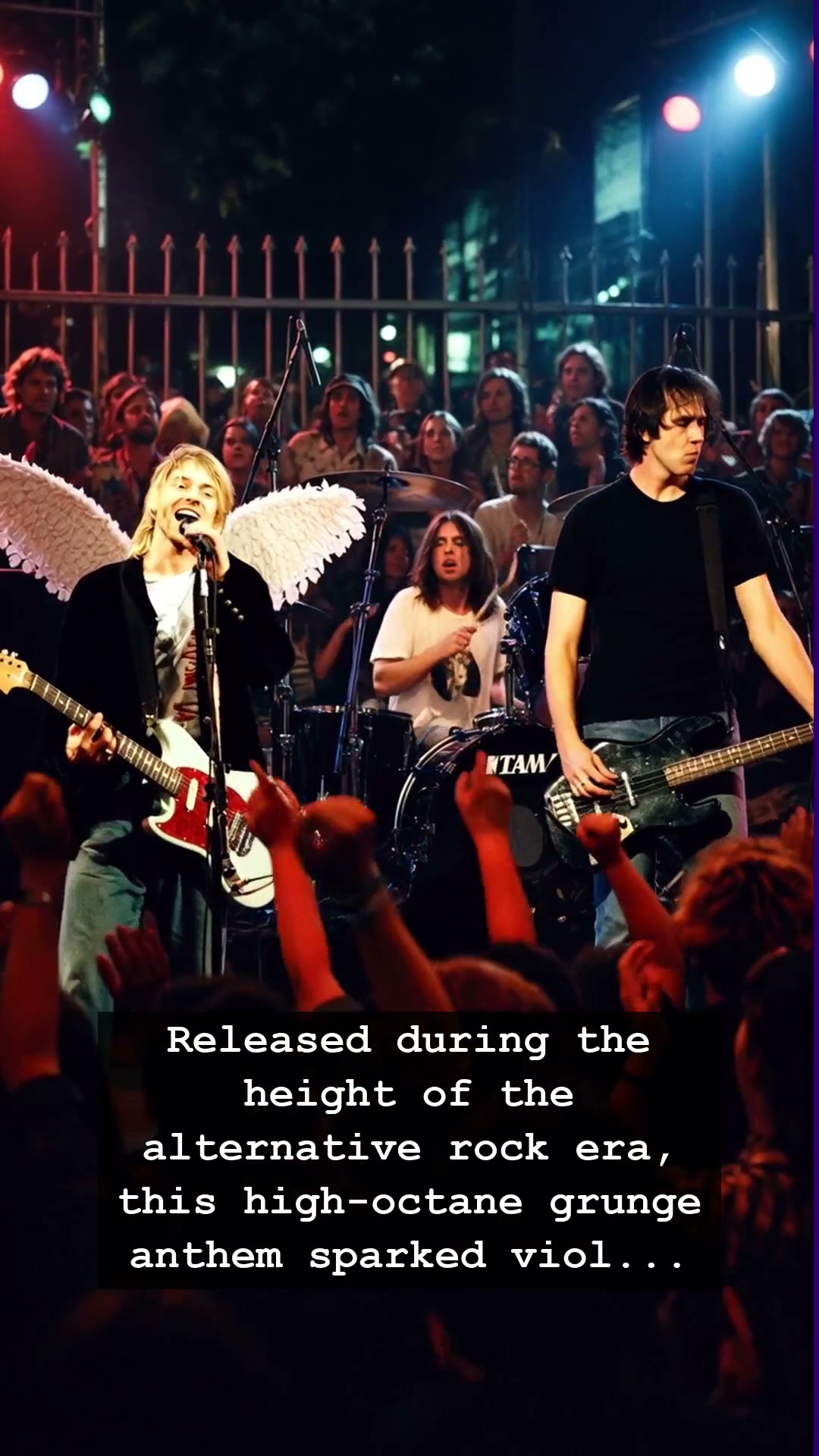
It was the early nineties, a time when the polished sheen of hair metal was rapidly losing its grip on the cultural pulse. Suddenly, a low-fi, distorted blast of guitar feedback tore through the airwaves, changing the trajectory of rock history overnight. This was not just a song; it was a visceral scream from the shadows of Aberdeen, Washington. When Nirvana unleashed Smells Like Teen Spirit, it did more than just top the charts; it ignited a global frenzy that turned quiet suburban basements into sweltering, violent mosh pits. For anyone who held a Walkman close or watched the static flicker of MTV in those defining years, that opening riff felt like a riot in musical form.
At the center of this hurricane was Kurt Cobain, a reluctant prophet who never asked for the burden of a generation. Nirvana did not intend to become the architects of the grunge movement, yet their sound became the soundtrack for every disaffected youth searching for authenticity in an era of manufactured pop. The band’s rise was as meteoric as it was agonizing. Behind the scenes, the pressure of overnight fame clawed at the seams of their creative process. The raw energy of their live performances often blurred the line between artistic expression and a self-destructive cry for help, echoing the isolation that many felt beneath the surface of the grunge phenomenon.
I still remember the feeling of hearing that chorus for the first time. It was a raw, unfiltered expression of teenage angst that refused to be polished. The song was a paradox: a pop-structured anthem masked in layers of abrasive punk and jagged dissonance. It was the antithesis of the stadium rock grandeur that had dominated the eighties. Nirvana had stripped everything back, trading leather pants and pyrotechnics for flannel shirts and a haunting, genuine intensity that felt dangerous, unpredictable, and entirely real. It was the sound of a generation finally finding its voice, only to realize that the voice was screaming in pain.
The legacy of Nirvana remains anchored in that specific, turbulent cultural moment. While their peers were focused on perfection, the trio focused on the collision of sound and soul. The violence of their mosh pits was never about malice; it was an exorcism of the cynicism that had built up in the airwaves for years. Even decades later, those power chords still reverberate through modern amplifiers, reminding us of a time when rock music was a risky, unpredictable gamble. It was an era where the boundary between the artist and the audience was obliterated by a wall of distortion.
Looking back, the story of Nirvana is a tragic masterpiece of artistic brilliance and inevitable burnout. It reminds us that the greatest art often comes from the deepest friction. As we navigate a world of digital perfection, the grit of this era serves as a poignant reminder of what happens when raw emotion is amplified to the breaking point. Whether you were in the front row of a club or listening through heavy headphones in your bedroom, the ghost of that energy remains. Do you remember where you were when the world turned to grunge?