
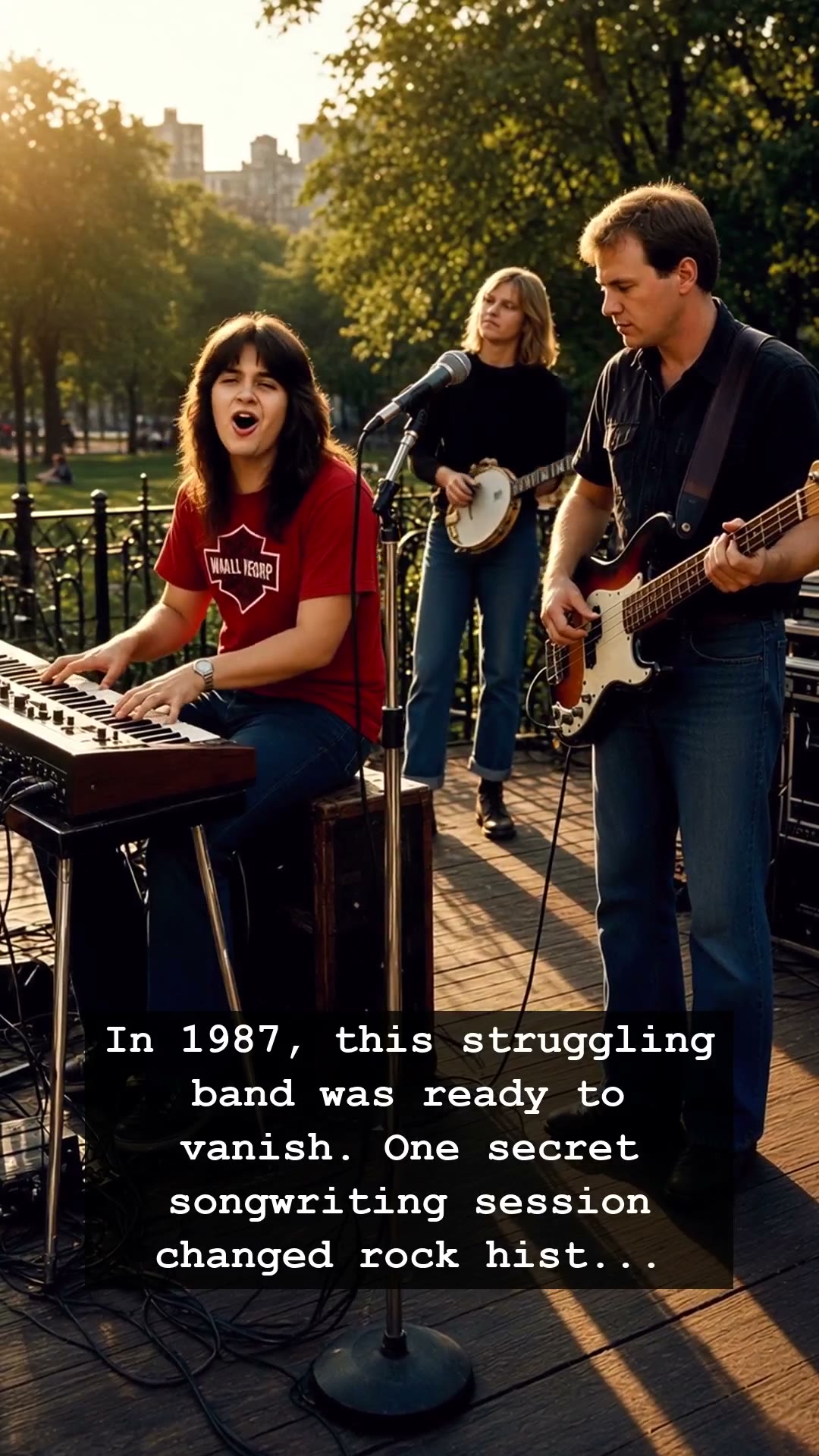
By 1987, the leather-clad kings of Boston were practically ghosts in their own town. Aerosmith, the band that defined the gritty, bluesy soul of seventies rock, had descended into a spiral of substance abuse and creative bankruptcy. Their commercial relevance was evaporating, their label was losing patience, and the band members were barely speaking to one another. They were trapped in the fading echoes of their past, seemingly destined to be another tragic footnote in the history of rock and roll. But in the neon-soaked haze of the late eighties, a secret collision of worlds was about to ignite a resurrection that nobody saw coming.
That catalyst arrived in the form of Desmond Child, a brilliant pop songwriter who had made a name for himself by crafting massive, polished hooks for an entirely different crowd. When Aerosmith met Desmond Child for a songwriting session, the tension was palpable. The band viewed him as a pop outsider, a suit-clad interloper who had no place in the gutter-rock aesthetic they had meticulously cultivated for years. They were rugged rockers from the gritty clubs; he was the master architect of the radio-friendly explosion. Yet, as they locked themselves away in the studio, the friction between their raw, visceral power and his melodic genius began to spark something dangerous and electrifying.
The atmosphere was thick with the scent of stale cigarettes and the pressure of a make-or-break career moment. Desmond Child pushed them to strip away their defenses, forcing them to harmonize their jagged edge with a refined sense of structure. They weren’t just writing a song; they were engineering a sonic bridge between the rebellious spirit of the seventies and the MTV-dominance of the eighties. That session birthed the anthem that would propel them from the brink of obscurity to the global peak of arena rock. It was a transformation that stunned the critics, who had long since written off Steven Tyler and his cohorts as relics of a bygone era.
This partnership proved that the magic of rock music often thrives in the most uncomfortable, unholy alliances. Desmond Child became the silent architect of their comeback, helping Aerosmith shed their self-destructive skin and re-emerge as titans of the airwaves. As their new sound poured out of boomboxes and blasted through the speakers at MTV, the world realized that these legends weren’t finished yet. They had successfully navigated the treacherous transition from the analog grit of the seventies to the polished, high-gloss production of the late eighties, all while retaining the swagger that made them iconic.
Looking back, this moment remains one of the most fascinating turning points in music history. It reminds us that behind every legendary resurgence is a story of vulnerability, artistic risk, and the strange alchemy of collaboration. Even now, whenever we hear those iconic opening chords, we are reminded of that quiet room in 1987 where the course of rock history was irrevocably rewritten. Whether you are a fan of the vintage blues-rock roots or the powerhouse stadium anthems, the legacy of this unlikely pairing continues to roar through the ages, proving that a band is never truly done until the final note is played.