
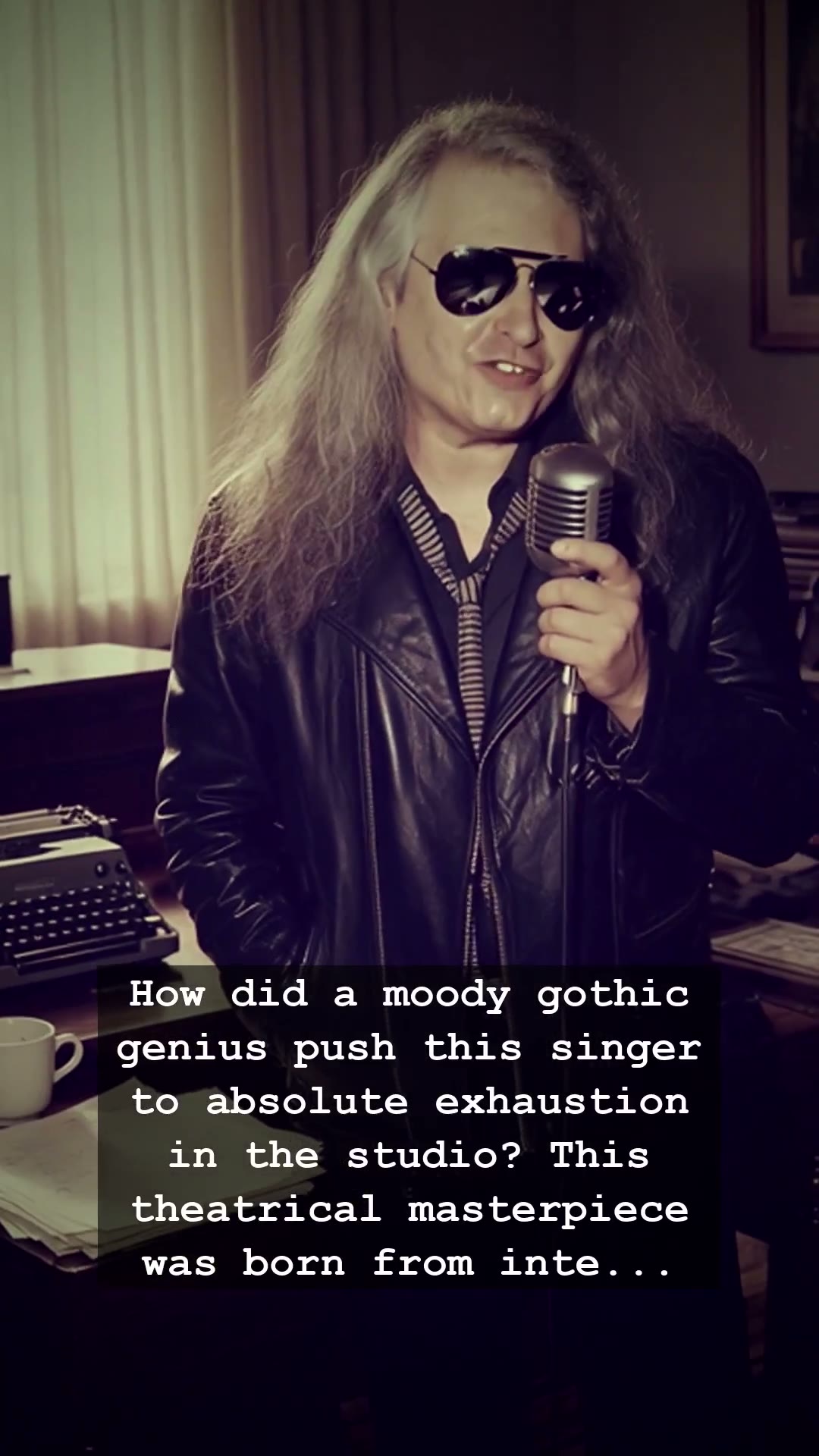
In the dim, smoke-filled recording studios of the late 1970s, a battle was raging between sonic perfection and human endurance. The protagonist was Jim Steinman, a man whose mind functioned like a Victorian opera house trapped inside a leather-jacketed rock and roll body. While the era was dominated by the rising glitter of disco and the polished sheen of FM radio, Jim Steinman was obsessed with something far more volatile: theatrical, gothic grandeur. He did not just want to make a rock record; he wanted to capture the apocalypse on magnetic tape.
His collaboration with Meat Loaf on the legendary album Bat Out of Hell remains one of music’s most intense tales of creative obsession. Jim Steinman was known to push his collaborators to the absolute edge of their sanity. He demanded vocal takes that were not just technically perfect, but emotionally devastating. During the grueling sessions, he would insist on take after take, forcing his singers to bleed their voices dry until every note carried the weight of a shattered heart. It was a brand of gothic perfectionism that terrified the session musicians, yet it birthed a sound that transcended the standard rock tropes of the day.
The studio became a pressure cooker where Jim Steinman’s dramatic vision collided with the physical reality of exhaustion. He saw every song as a short film, a narrative arc filled with rebellion, teenage angst, and doomed romance. He would pace the room, orchestrating the chaos with a manic intensity that felt like a lingering shadow from a lost era. To witness Jim Steinman at work was to see a man conducting a symphony of ghosts, demanding that his performers match the soaring heights of his own vivid, restless imagination. His influence stretched far beyond that one album, shaping the very way we perceive rock as a cinematic experience.
Even today, when we listen to the soaring crescendos and the dark, sweeping piano chords he mastered, we can feel the friction of that studio floor. Jim Steinman refused to compromise, even when the label heads begged for something shorter or more radio-friendly. He stood his ground, fueled by a belief that music should be larger than life, a cathartic release for the restless souls wandering under the neon lights of the seventies and eighties. He turned the recording booth into a stage, proving that rock and roll was the perfect vessel for high-stakes, gothic storytelling.
As we look back at the golden age of studio excess, the legacy of Jim Steinman serves as a reminder of what happens when vision meets uncompromising drive. He taught a generation that music did not have to be subtle to be profound; it just had to be true to its own dramatic nature. His work remains a testament to the idea that a little madness, when channeled into art, can change the world forever. Next time you hear the opening notes of his most famous tracks, listen closely for the echoes of the man who pushed perfection until it screamed.