
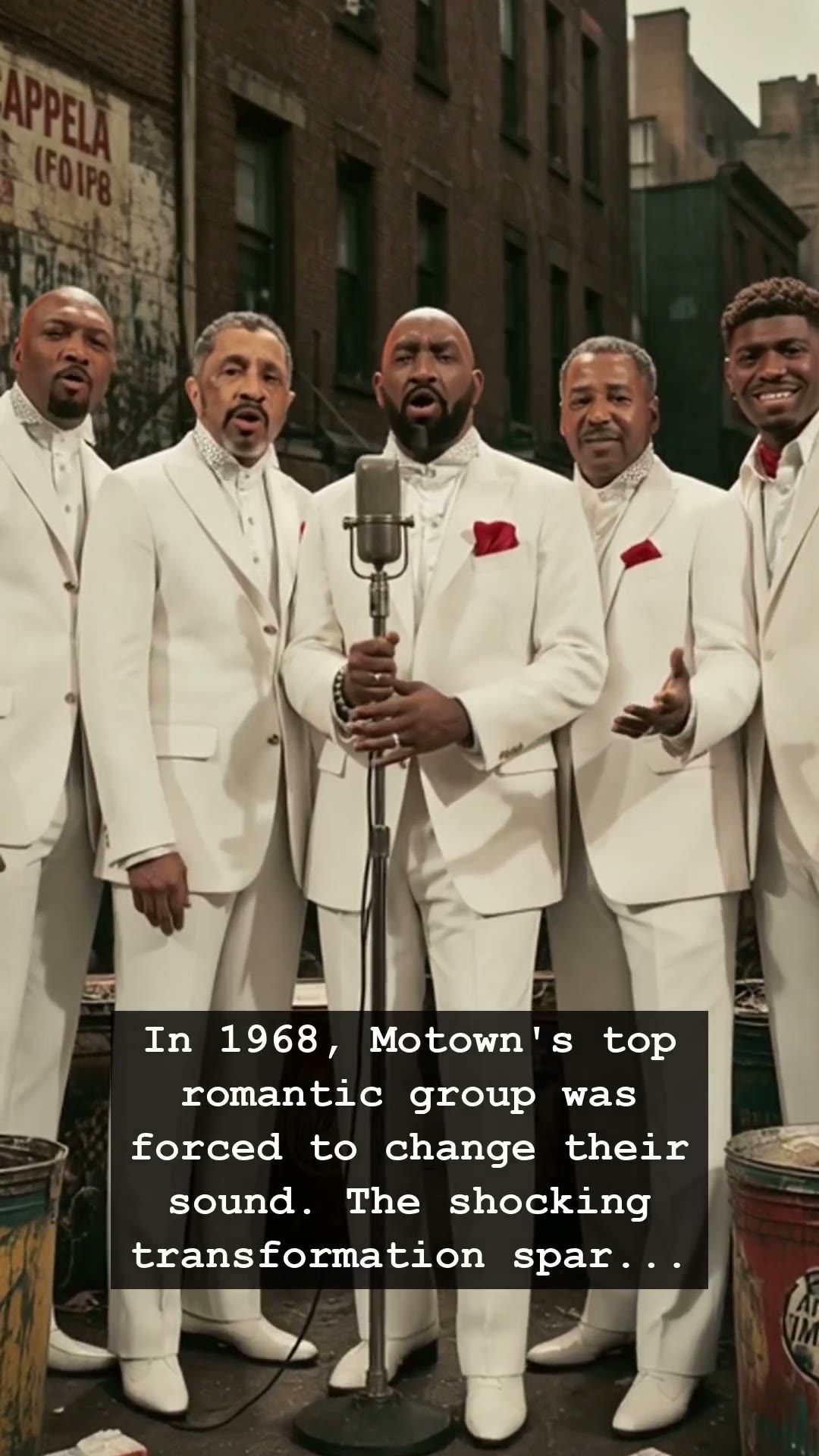
It was 1968, and the world was changing as fast as the radio dial. In the heart of Detroit, the polished suits and smooth, synchronized choreography of The Temptations defined the Motown sound. They were the undisputed kings of romantic elegance, crooning classics that made hearts flutter across the nation. But beneath the pristine exterior of these rhythm and blues icons, a cultural tectonic shift was underway. As the Summer of Love faded into the darker, more turbulent realities of the late sixties, the pressure to evolve became a creative death trap that threatened to dismantle the legendary group from the inside out.
Motown mastermind Berry Gordy had his eyes on the changing landscape of American music, pushed by the rising influence of psychedelic rock and the gritty, experimental sounds of Sly and the Family Stone. He demanded that The Temptations abandon their signature elegance for something raw, distorted, and dangerous. This transition, which would eventually birth masterpieces like Cloud Nine, was perceived by some members not as an evolution, but as a musical betrayal. For a group built on the foundation of perfect vocal harmonies and suave stage presence, trading their tuxedos for the jagged, mind-bending textures of psychedelic soul was a bitter pill to swallow.
The tension within the ranks became palpable. The studio, once a place of collaborative harmony, transformed into a pressure cooker of resentment and artistic conflict. Internal whispers turned into shouting matches as the members struggled to reconcile their identity as soul icons with this new, aggressive sonic direction. They were forced to leave their comfort zone of sweet ballads to navigate a sonic wilderness filled with wah-wah pedals and socially conscious lyrics. The internal friction was so intense that it nearly shattered the band’s brotherhood, pushing the artists to the edge of personal and professional collapse during a period where they were supposedly at their creative peak.
Yet, this period of immense pain and stylistic whiplash produced some of the most hauntingly beautiful music of the era. The shift into psychedelic soul proved that The Temptations were far more than just a pop act; they were resilient innovators capable of adapting to a world that was losing its innocence. This era serves as a stark reminder of the dark, often hidden cost of maintaining relevance in the volatile music industry of the 1960s. The sacrifice of their original aesthetic was the price they paid to remain legends rather than relics of a bygone, simpler time.
Even decades later, the transition of The Temptations remains a fascinating case study in the struggle between artistic integrity and commercial necessity. It captures a fleeting, high-stakes moment in history where Motown faced the mirror of a changing America and decided to embrace the chaos. When you listen to those tracks today, you are not just hearing music; you are hearing the echo of a band fighting for its soul amidst the wreckage of their own past. Their journey is a timeless lesson that sometimes, to survive the future, one must be willing to burn down the house that made them famous.