
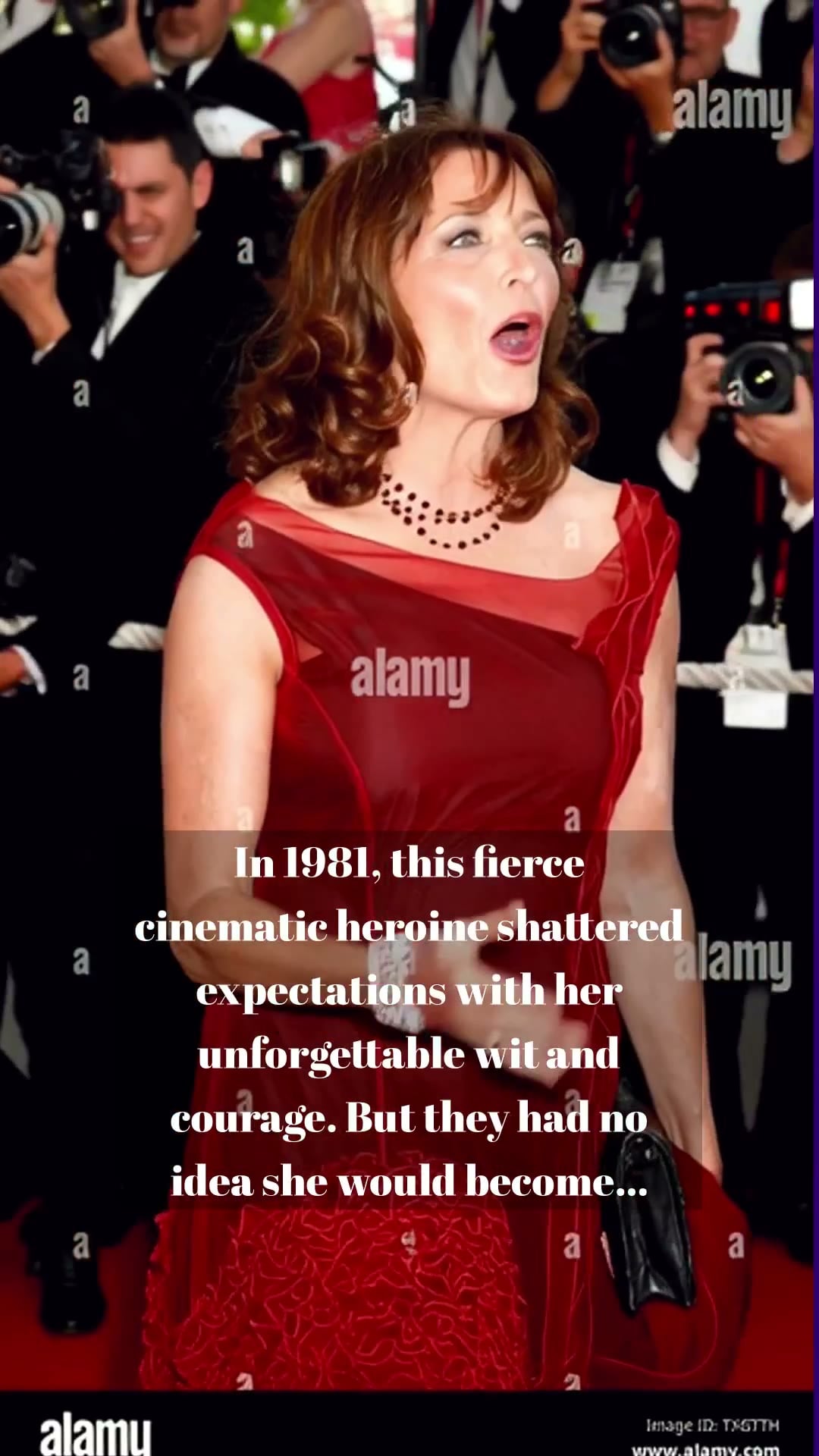
In the summer of 1981, the silver screen was electrified by an actress who brought a refreshingly grounded sense of grit and humanity to the chaotic world of blockbuster adventure. While the era was dominated by larger-than-life archetypes, Karen Allen walked onto the set of Raiders of the Lost Ark and instantly redefined what it meant to be a leading lady. As Marion Ravenwood, she was not merely a damsel in distress; she was a woman with a sharp tongue, a steady hand, and a history that felt lived-in and real. For those of us who grew up haunting the aisles of local video stores, renting VHS tapes on Friday nights, her performance remains a quintessential anchor of our cinematic memories.
Looking back at the golden era of Hollywood in the late 70s and early 80s, we recall a time when actors relied on raw talent and physical presence rather than digital enhancements. Karen Allen brought a unique, naturalistic approach to her craft that felt reminiscent of the Method Acting traditions popularized by the legends before her. She possessed an effortless charm that allowed her to stand toe-to-toe with the most imposing stars of the decade, yet she always maintained a vulnerability that resonated deeply with the audience. Her ability to pivot from fierce independence to genuine warmth made her a standout figure in an industry that was rapidly transitioning into the high-octane world of the modern blockbuster.
Beyond her iconic role in the Indiana Jones franchise, Karen Allen consistently chose projects that prioritized storytelling over spectacle. Whether she was appearing in the haunting Starman or the gritty atmosphere of The Wanderers, she carried a quiet intensity that served as a testament to her dedication to her art. In an age where Oscar nights were televised events that brought the whole family together around the living room television, Karen Allen was the kind of performer who made us believe in the power of a single, well-delivered line. Her career represents a bridge between the classic elegance of mid-century cinema and the bold, innovative spirit of the New Hollywood movement.
What makes Karen Allen truly special is how she navigated the pressures of fame without losing her artistic integrity. She never succumbed to the tabloid trappings of Hollywood, choosing instead to focus on the work itself and the quiet human moments that define a great character. Her legacy is not just one of fame or red-carpet appearances, but one of substance and resilience. She reminds us of a time when movie stars felt like real people—complex, flawed, and incredibly relatable—rather than untouchable celebrities.
Today, when we revisit these classic films on flickering screens, the magic she brought to those scenes feels just as potent as it did decades ago. It is a warm, bittersweet nostalgia that reminds us why we fell in love with movies in the first place. Karen Allen remains a beacon of that era, a reminder of the wit and courage that once defined the soul of the silver screen. Perhaps tonight, it is time to find that old VHS player, dust off a copy of a true classic, and relive the wonder of a time when the screen was larger than life and the actors were truly icons of our hearts.