
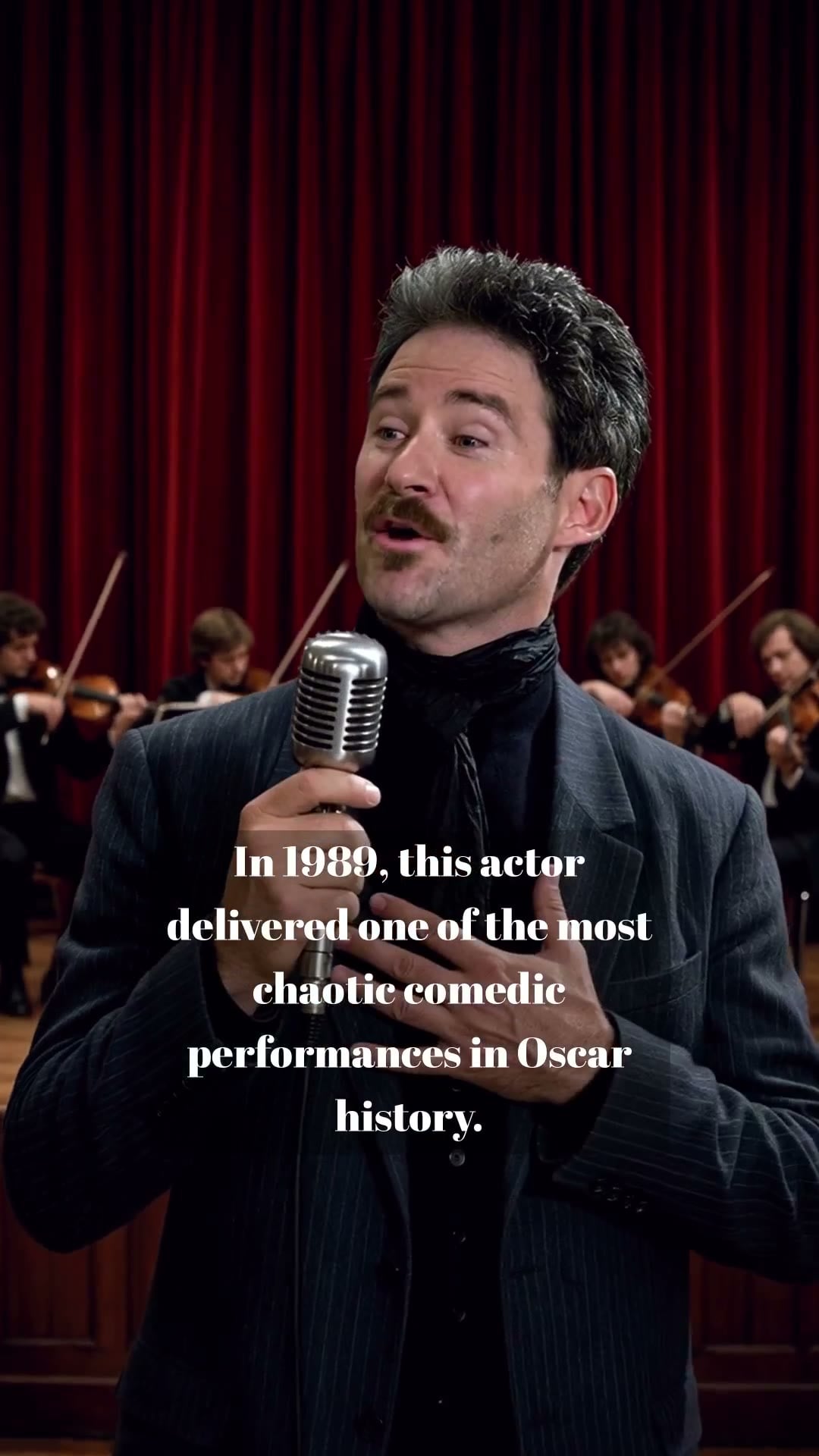
In the storied history of the Academy Awards, the golden statuette has long been reserved for the stoic, the tragic, and the emotionally shattered. For decades, the conventional wisdom of Hollywood suggested that to win an Oscar, one must endure great suffering on screen. Yet, as the curtain rose on the 1989 ceremony, a ripple of delight moved through the auditorium when Kevin Kline took the stage, his victory serving as a triumphant reminder that comedy is, indeed, a serious business. His win for A Fish Called Wanda broke the mold, proving that high-octane laughter could stand toe-to-toe with the heavy dramas of the Golden Age and the burgeoning New Hollywood era.
Kevin Kline entered the spotlight during a time when American cinema was transitioning between the grit of the seventies and the glossy blockbuster explosion of the nineties. Trained in the rigorous discipline of Method Acting at Juilliard, Kline brought a rare intellectual depth to the frantic, unpredictable character of Otto West. While most actors of his caliber were chasing prestigious, somber roles, Kline embraced the absurdity of a self-proclaimed intellectual Nietzsche-reading hitman. His performance was not merely funny; it was a masterclass in kinetic energy and timing, executed with the precision of a classical actor playing a madman.
To watch Kevin Kline in that era is to revisit the tactile joy of the VHS age. Many of us remember renting that tape from a local video store, the plastic casing a familiar friend on our shelves, rewinding the iconic scenes over and over until the magnetic ribbon wore thin. It was a time when a performance could define a weekend, bringing families together in front of the television to share the kind of uncontrollable, belly-aching laughter that seems rarer in today’s digital landscape. Kline was the architect of that joy, a performer who could switch from Shakespearean gravitas to slapstick mayhem without missing a beat.
Beyond the screen, the legacy of Kevin Kline rests in his refusal to be pigeonholed. In an industry that loves to label its stars, he moved between the Broadway stage and the silver screen with a fluid grace that commanded immense respect. His 1989 Oscar win was not just a trophy; it was a validation of the comedic art form, reminding the Hollywood elite that the ability to make an audience laugh is as difficult and significant as any tear-jerking monologue. He proved that even in a world obsessed with prestige, the human spirit is most captivated by the unexpected.
Looking back at that night, we see more than just an actor holding a golden statue; we see a bridge between the classic traditions of the past and the irreverent spirit of the future. The memory of his chaotic, brilliant performance remains a cherished part of our cinematic history, a reminder of a time when movie stars felt like human beings with extraordinary talents. As we look back on those decades, let us celebrate Kevin Kline for reminding us that, amidst all the drama of life, a little bit of beautiful, calculated chaos is exactly what we need.