
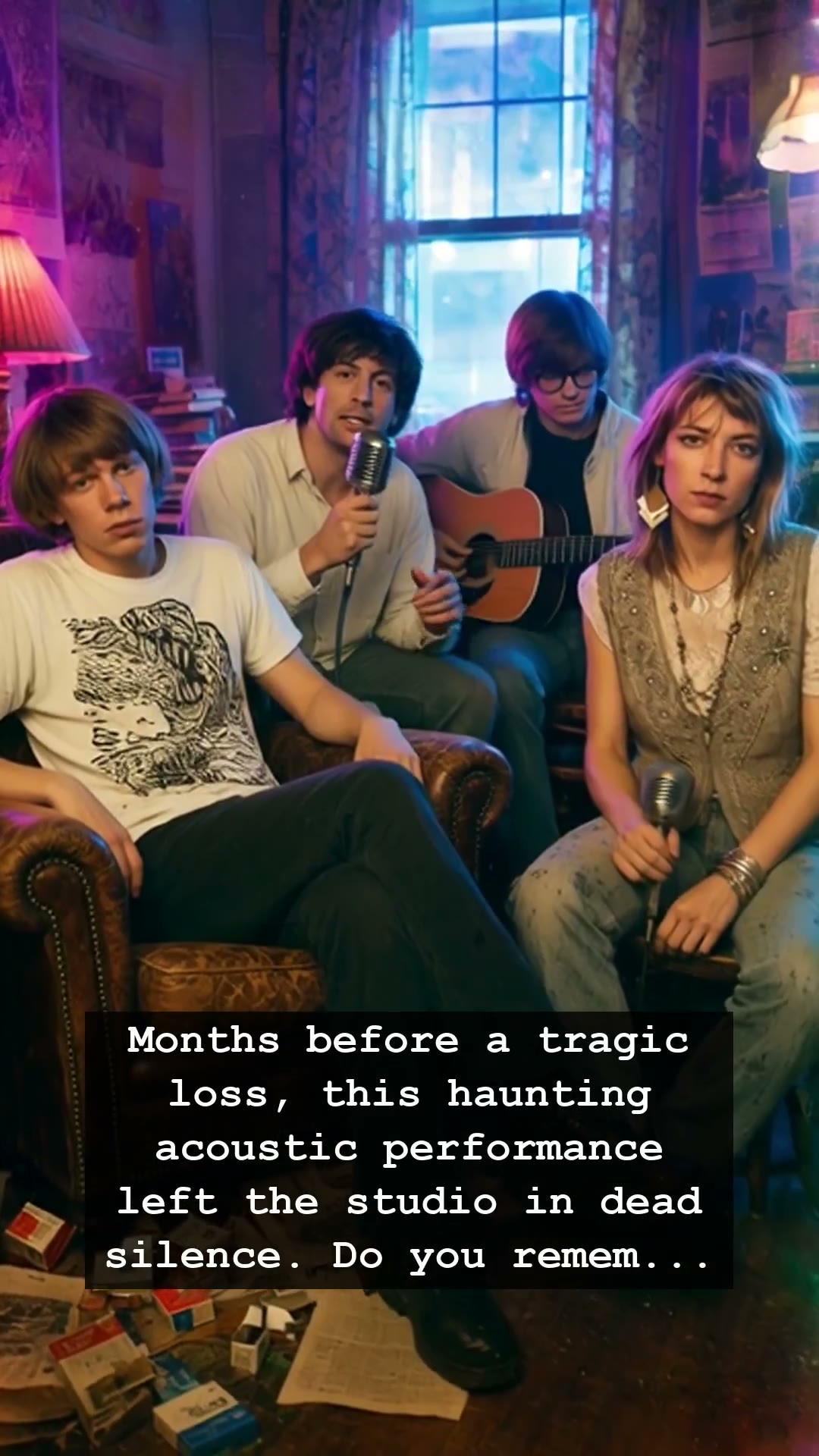
It was November 1993, and the air inside the Sony Music Studios in New York felt heavy, not with the typical electricity of a rock show, but with an unsettling, fragile stillness. On that stage sat Kurt Cobain, the reluctant prophet of the Grunge era, cradling his acoustic guitar like a shield. The world knew him as the snarling voice of a disillusioned generation, the man who brought the underground of Seattle to the forefront of the global stage. Yet, as the cameras began to roll for MTV Unplugged, the audience witnessed something they were entirely unprepared for: a raw, skeletal, and hauntingly beautiful goodbye.
At the time, the music industry was obsessed with the gloss and artifice of the early nineties. The Grunge movement had shattered the polished veneer of eighties Glam Metal, but even within that gritty rebellion, nothing felt as profound as this intimate session. When Kurt Cobain chose to strip away the distortion pedals and the aggressive wall of sound that defined Nirvana, he left himself exposed. There were no pyrotechnics, no arena-sized production, and no safety net. There was only the flicker of candles and the chilling realization that we were watching a man at his most vulnerable tipping point.
As the band moved through the setlist, the tension in the room was palpable. The choice of songs was telling; they favored deep cuts and somber covers over their radio-friendly hits. When Kurt Cobain leaned into the microphone to deliver his rendition of Where Did You Sleep Last Night, the studio fell into a dead silence so thick you could almost taste it. His voice cracked, frayed at the edges, and climbed into a wail that felt like a bridge between musical history and a personal abyss. It was not just a performance; it was a visceral confession broadcast to millions who had no idea they were witnessing a final descent.
Behind the scenes, the legend of Kurt Cobain was becoming inseparable from the tragedy that would soon consume him. The pressures of fame, the weight of being a generational icon, and his ongoing battle with inner demons were all etched into the lines of his face that night. Looking back through the lens of history, the performance stands as a masterpiece of emotional honesty, a haunting artifact from a time when MTV still acted as the cultural heartbeat of the nation. It serves as a reminder of the fragility behind the legends we immortalize.
Decades later, the recordings from that evening remain among the most revered in rock history. They resonate because they strip away the celebrity, leaving behind only the man and the melody. Even now, the ghosts of that performance linger in the collective memory of every fan who was touched by his art. As the final notes fade into the dark, we are left to wonder what other echoes might have been, had the music not stopped so soon.