
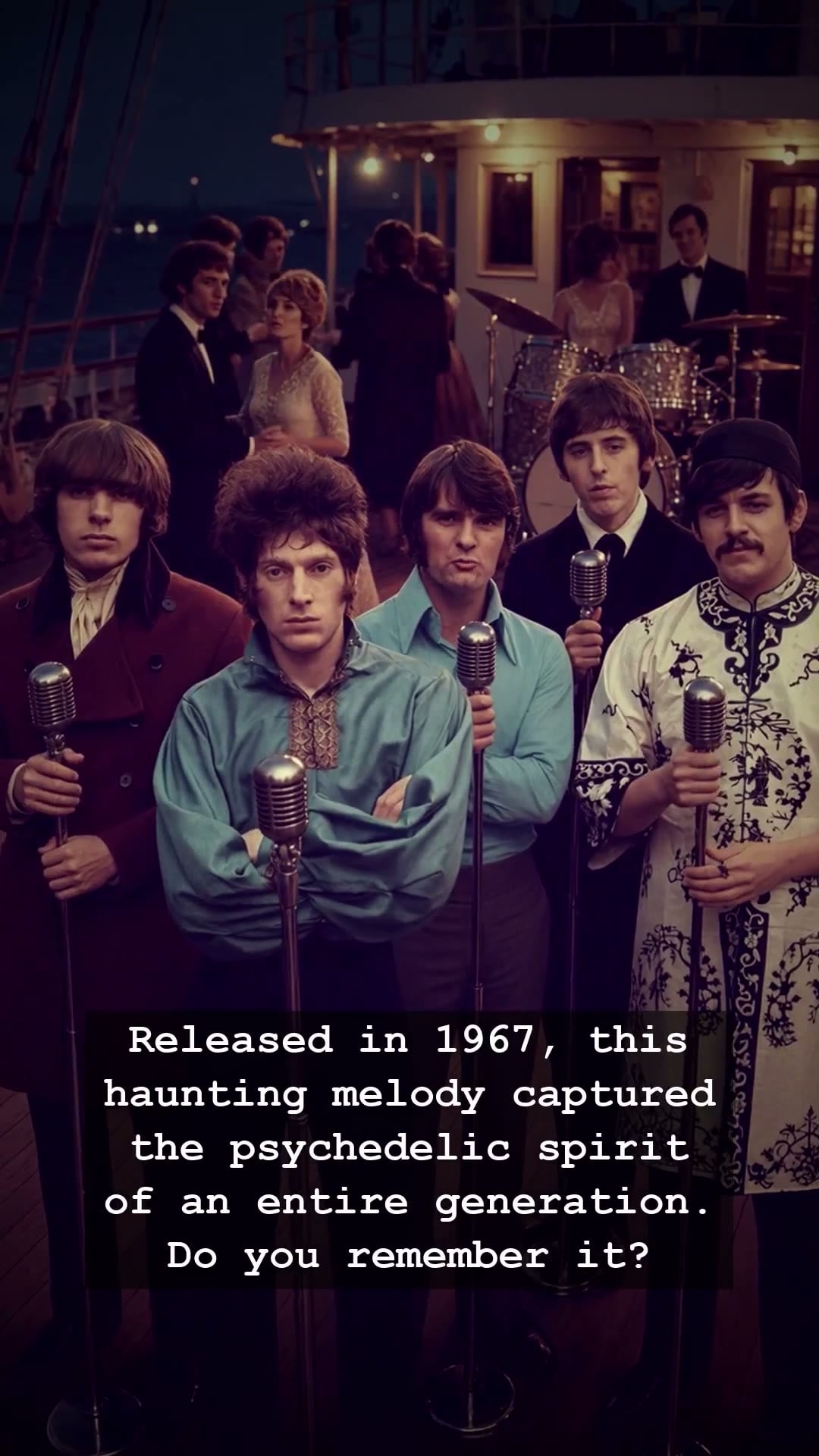
It was the summer of 1967, a season synonymous with the Summer of Love, where the air in San Francisco and London was thick with the scent of incense and the sound of revolutionary change. Amidst the swirling kaleidoscope of psychedelic rock and the burgeoning counterculture, a haunting, organ-drenched melody drifted out of the speakers and into the collective consciousness of a generation. That song was A Whiter Shade of Pale by Procol Harum. With its Bach-inspired melody and cryptic, surrealist lyrics, the track didn’t just top the charts; it became the ethereal anthem for a youth culture poised on the precipice of a new, uncertain world.
Procol Harum emerged as something of an enigma. Unlike the upbeat pop groups of the era, the band carried a certain weight, a dark intellectualism that set them apart. The song itself, anchored by the iconic, mournful Hammond organ line played by Matthew Fisher, felt like a relic from another century, a ghost haunting the modern era. When you listen to it today, even through the crackle of a vintage turntable, the song still possesses that uncanny power to stop time. It is a portal back to a room lit by lava lamps, where the world felt simultaneously infinite and incredibly fragile.
Behind the success of this monumental hit, however, lay a web of tension and mystery that would plague the band for decades. The creative friction between the members of Procol Harum, particularly regarding the song’s writing credits, turned the masterpiece into a long-standing legal battle. For years, the courtroom drama surrounding who truly authored that haunting sequence cast a shadow over their legacy. It is a tragic but familiar tale of the music industry during the late 1960s, where artistic brilliance was so often obscured by the cold, hard reality of royalties and bitter disputes that fractured once-inseparable creative bonds.
Yet, despite the internal strife and the transient nature of the psychedelic scene, Procol Harum remained a pillar of progressive rock. They navigated the shifting tides of the seventies, eventually fading from the mainstream spotlight as disco and the synth-pop revolution began to dominate the airwaves. Their story is a reminder of the fleeting nature of fame and the darker pressures of stardom—the weight of delivering a hit that overshadows everything else a band tries to create afterward. The internal psychological toll on the members was a common, often whispered reality of the era’s most revered icons.
Decades later, the impact of A Whiter Shade of Pale remains undiminished. It resonates because it captures a feeling that has no expiration date: the melancholy beauty of a fading memory. Whenever that organ swell begins, those who lived through the era are instantly transported back to the days of black-and-white television transitions and the raw, unpolished energy of a changing society. It remains an essential artifact of musical history. Do you recall where you were when the world turned a whiter shade of pale?