
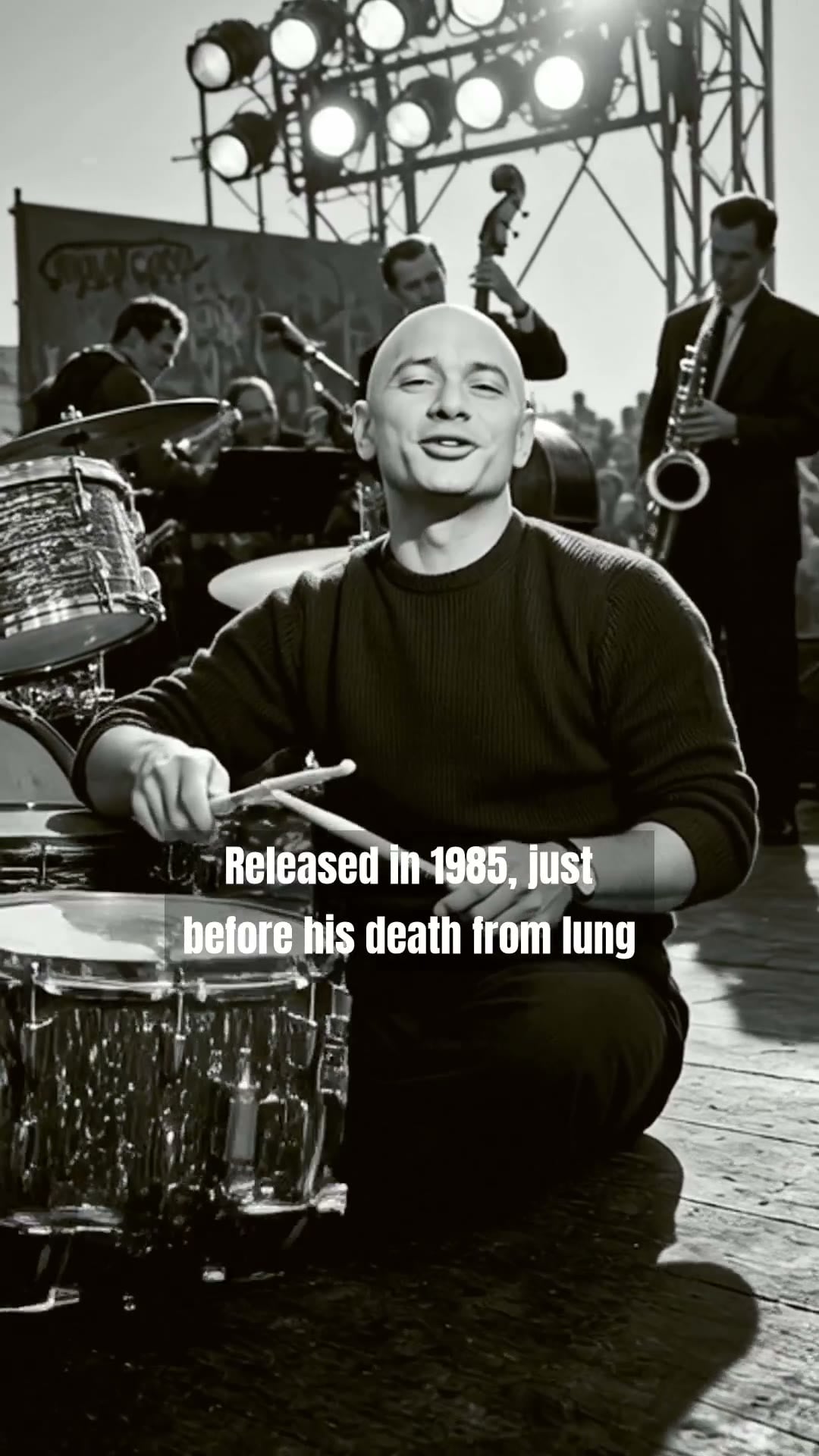
In the golden glow of 1950s cinema, few figures possessed the magnetic, otherworldly presence of Yul Brynner. With his trademark shaved head and a gaze that seemed to pierce through the silver screen, he was a pillar of the Golden Age of Hollywood. From his iconic turn as the King of Siam in The King and I, which earned him a much-deserved Oscar, to the grit of his performances in The Magnificent Seven, Brynner was more than just an actor; he was an institution. He defined a brand of cool that belonged to a simpler time, a period when method acting was reaching its zenith and every VHS tape pulled from the local rental shelf promised an escape into a larger-than-life narrative.
Yet, behind the regal posturing and the charisma that graced the Walk of Fame, Yul Brynner lived a life deeply entwined with the era’s unchecked cultural habits. For years, he was rarely seen without a cigarette between his fingers, a symbol of sophistication in mid-century films that would eventually take a devastating toll. As he reached his twilight years in 1985, his health rapidly declined due to lung cancer. But even in his final moments, the legendary performer refused to let his story end as a mere cautionary tale; he chose to transform his own tragedy into a profound act of service.
Shortly before he passed away, Yul Brynner recorded a public service announcement that would become one of the most chilling and influential pieces of footage in television history. In the clip, he stared directly into the lens—not with the theatricality of a character, but with the haunting, stark honesty of a man facing his final curtain call. He addressed his audience directly, urging them to quit smoking, his voice thick with the gravity of his own experience. He told his fans, ‘Now that I’m gone, I tell you, don’t smoke,’ and provided a powerful directive that transcended the screen.
This message, aired posthumously, hit the public with an impact that no blockbuster movie could ever replicate. It dismantled the glamorous aura that Hollywood had built around smoking for decades. By using the platform he had earned through his long and illustrious career, Yul Brynner effectively changed the trajectory of public health discourse in the 1980s. He shifted the conversation from the fictional lives he portrayed to the very real, fragile lives of his viewers. It was a selfless departure from the typical star-studded exit, one that showed his true character beneath the costumes and scripts.
Today, we look back on the legacy of Yul Brynner not just for his contributions to the silver screen, but for the courage he showed in his final act. His performance lives on in our libraries of classic cinema, but his warning remains a timeless testament to human compassion. As we revisit his films on restored tapes and digital screens, let us remember that the man behind the King was, in the end, a hero who fought to save millions from the same shadow that took him from us too soon.