
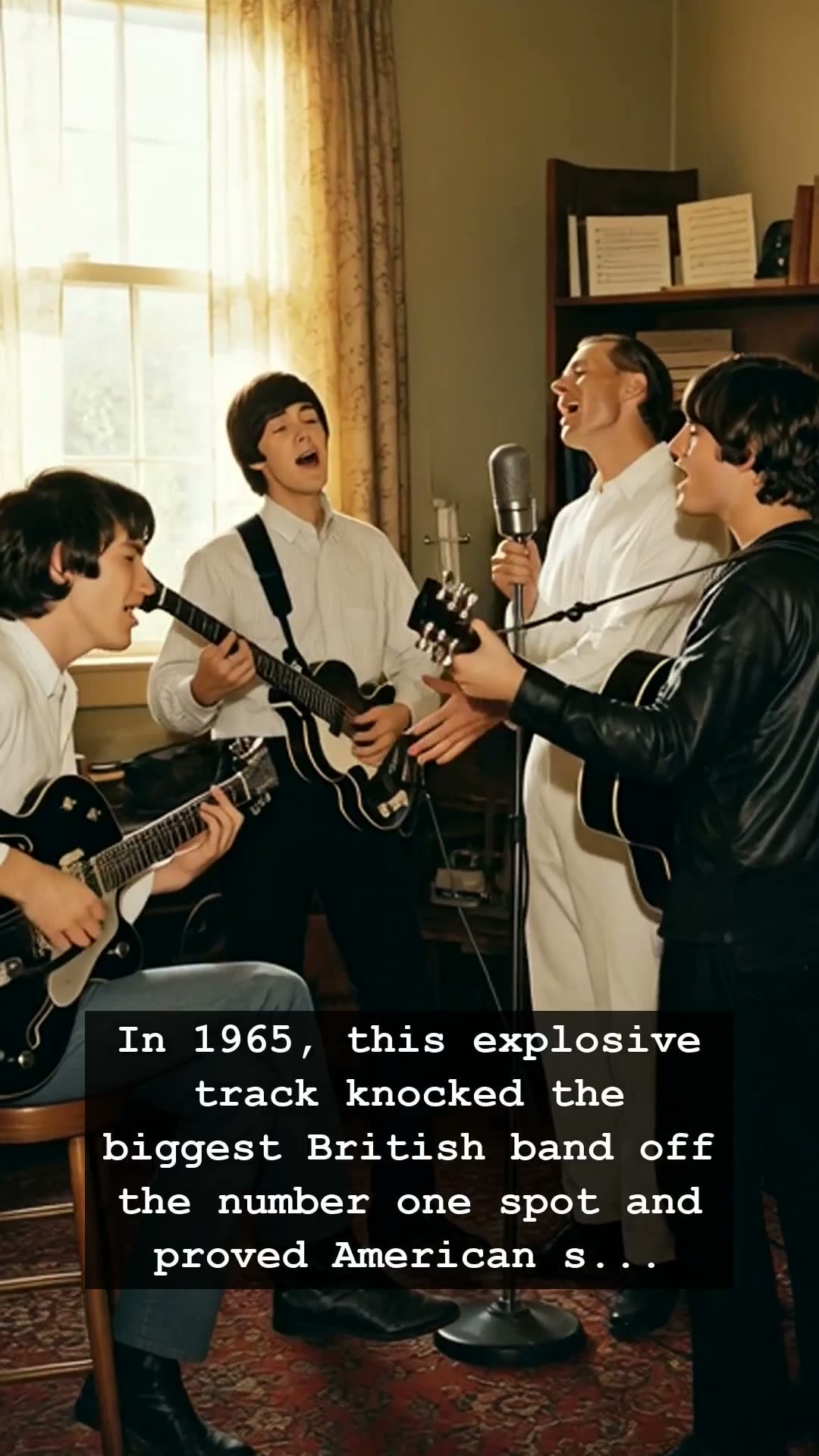
In the spring of 1965, the airwaves were dominated by a British invasion that seemed impossible to stop. The Beatles were the undisputed kings of pop, turning the world into a frenzy of screams and records. Yet, in the sun-drenched studios of California, a group of brothers and a cousin were brewing something entirely different. The Beach Boys, the architects of the American surf sound, were about to pull off the unthinkable. With the release of Help Me, Rhonda, they did more than just release a catchy tune; they delivered a direct blow to the British dominance, knocking the Fab Four off the number one spot and reclaiming the charts for the California dream.
It was a moment of pure musical rebellion that defined the era. While the world was obsessed with the mop-tops from Liverpool, The Beach Boys were perfecting a vocal harmony so intricate and lush that it transformed garage surf music into high art. But behind the shimmering melodies and the images of golden beaches, there was a simmering internal pressure. Brian Wilson, the creative genius and the tortured soul behind the band, was pushing himself to the brink of insanity to compete with the sheer cultural gravity of their rivals. This wasn’t just a hit song; it was a desperate, beautiful attempt to prove that the American spirit still had something profound to say in the face of a global phenomenon.
This victory was short-lived but historically seismic. The rivalry between Brian Wilson and the emerging creative genius of the British bands would soon lead to the creation of Pet Sounds, arguably one of the greatest albums ever recorded. But in 1965, the joy of Help Me, Rhonda felt like a victory for every teenager cruising the coast in a beat-up sedan with the radio dialed to the local hit station. It was the last golden breath of a simpler surf rock era before the sounds of the late sixties turned psychedelic, gritty, and heavy. The Beach Boys had successfully weaponized sunshine, proving that even against the greatest act in history, a perfect chord progression could change the world.
Looking back, the success of The Beach Boys feels like a bittersweet snapshot of a time when the Jukebox was the heartbeat of every diner. The drama of the studio, the fragile mental state of their leader, and the relentless quest for the perfect sound created a legacy that is as dark as it is brilliant. They were the bridge between the innocence of early rock and roll and the artistic experimentation that would soon sweep through the culture. The intensity of that spring in 1965 lingers, reminding us that every cultural shift is born from a quiet collision of ego, talent, and timing.
Today, when we hear those iconic vocal layers, we are transported back to a time of Walkmans yet to come, of surfboards and high-fidelity dreams. The Beach Boys remind us that greatness often emerges from the most intense pressure. Even if the British invasion eventually reshaped the musical landscape, that brief moment where the California sun eclipsed the world remains a testament to the enduring power of American surf rock. It is a story of music, rivalry, and the search for perfection that continues to echo through the decades.