
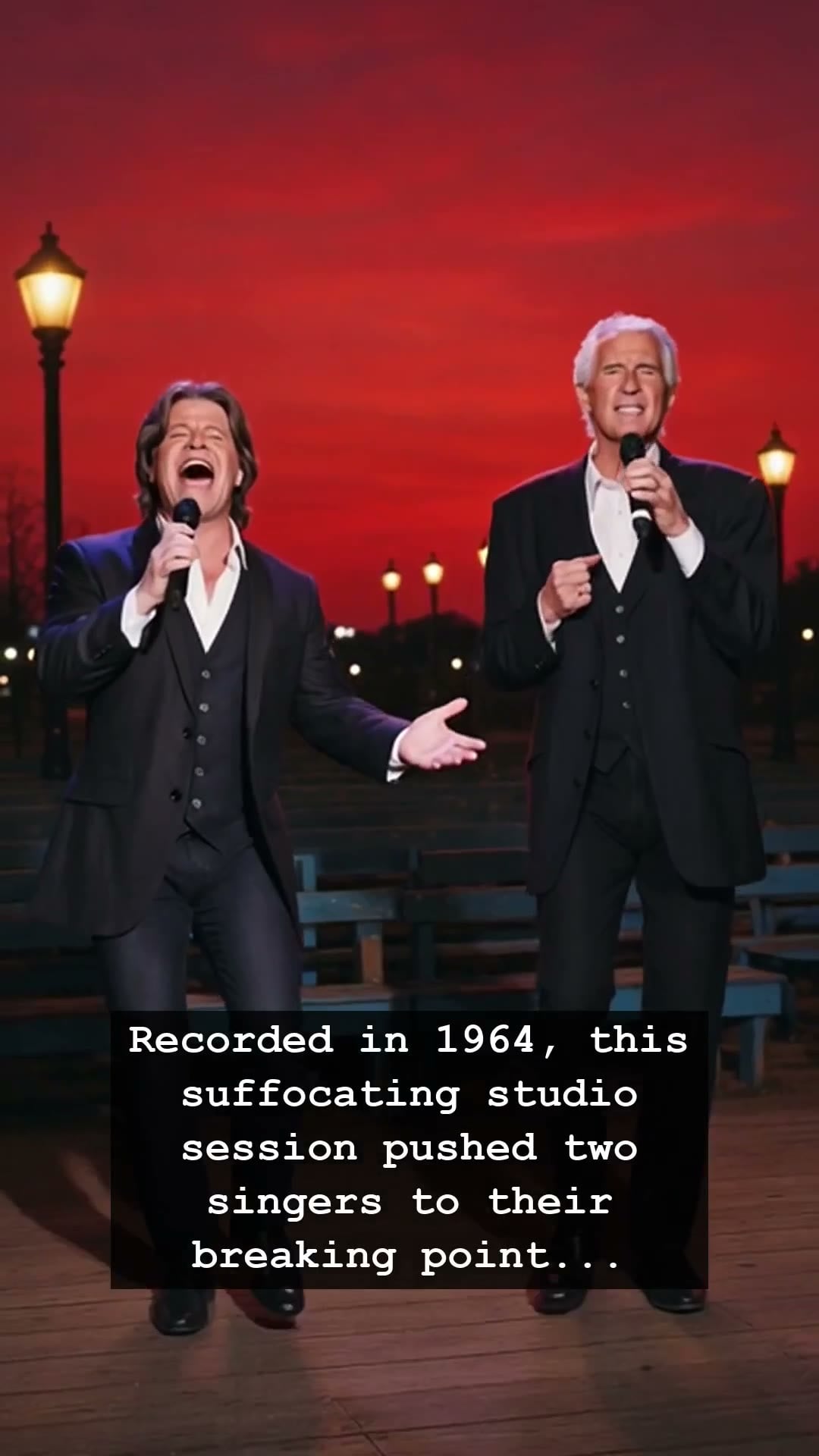
It was 1964, and the air inside the Gold Star Studios was thick with tension, cigarette smoke, and the heavy weight of an obsession that bordered on the sadistic. While the world outside was just beginning to embrace the British Invasion, a very different kind of revolution was happening in Los Angeles. Bill Medley and Bobby Hatfield, better known as The Righteous Brothers, were trapped in a sonic prison. Behind the glass sat Phil Spector, a producer whose genius was matched only by his volatile temperament. He was not just recording a song; he was hunting for an ethereal, symphonic ghost, and he was willing to break anyone to catch it.
The song in question was You’ve Lost That Lovin’ Feelin’. For most listeners, it remains one of the most romantic ballads in American history, a baritone-drenched anthem that defined a generation. But for the singers, it was an exercise in psychological endurance. Phil Spector demanded take after take, forcing the duo to push their vocal cords to the point of exhaustion for hours on end. He was a tyrant in the studio, a man who treated human emotion like a dial he could turn until it snapped. He didn’t just want a performance; he wanted the sound of pure, unadulterated heartbreak, captured in a Wall of Sound that would echo through the decades.
It is haunting to think that such a tender, soul-stirring track was birthed in an atmosphere of utter cruelty. Phil Spector’s methods were notoriously suffocating, and the studio sessions for The Righteous Brothers became the stuff of legend. He would isolate the tracks, layering instruments and vocals until the song felt as massive as a cathedral. Yet, at the center of this production were two men who were essentially being commanded to bleed for their art. They were pushed to their breaking point, their voices cracking under the strain of a perfectionist who would settle for nothing less than a masterpiece.
Looking back at the mid-sixties, it is impossible to ignore the impact of this collaboration. Even in an era defined by the rise of the jukebox culture and the burgeoning pop charts, this song stood apart. It was a dark, brooding, and incredibly sophisticated piece of music that defied the upbeat trends of the time. The Righteous Brothers had the pipes to pull it off, but it was the manic, focused madness of Phil Spector that gave the record its enduring, melancholic edge. It was a marriage of immense talent and dangerous obsession, a reminder that some of our favorite melodies were forged in the fires of personal struggle.
Today, when you hear those opening notes, you are hearing more than just a pop hit. You are listening to the sound of a studio floor covered in discarded takes and the raw, strained efforts of artists pushed into a corner by a mastermind who couldn’t be satisfied. It is a piece of history that continues to resonate because it feels real. Whether you remember hearing it on the radio for the first time or discovered it in the halls of classic rock history, the legacy of that 1964 session remains an hauntingly beautiful relic. Does the story of that suffocating session change the way you hear the melody today?