
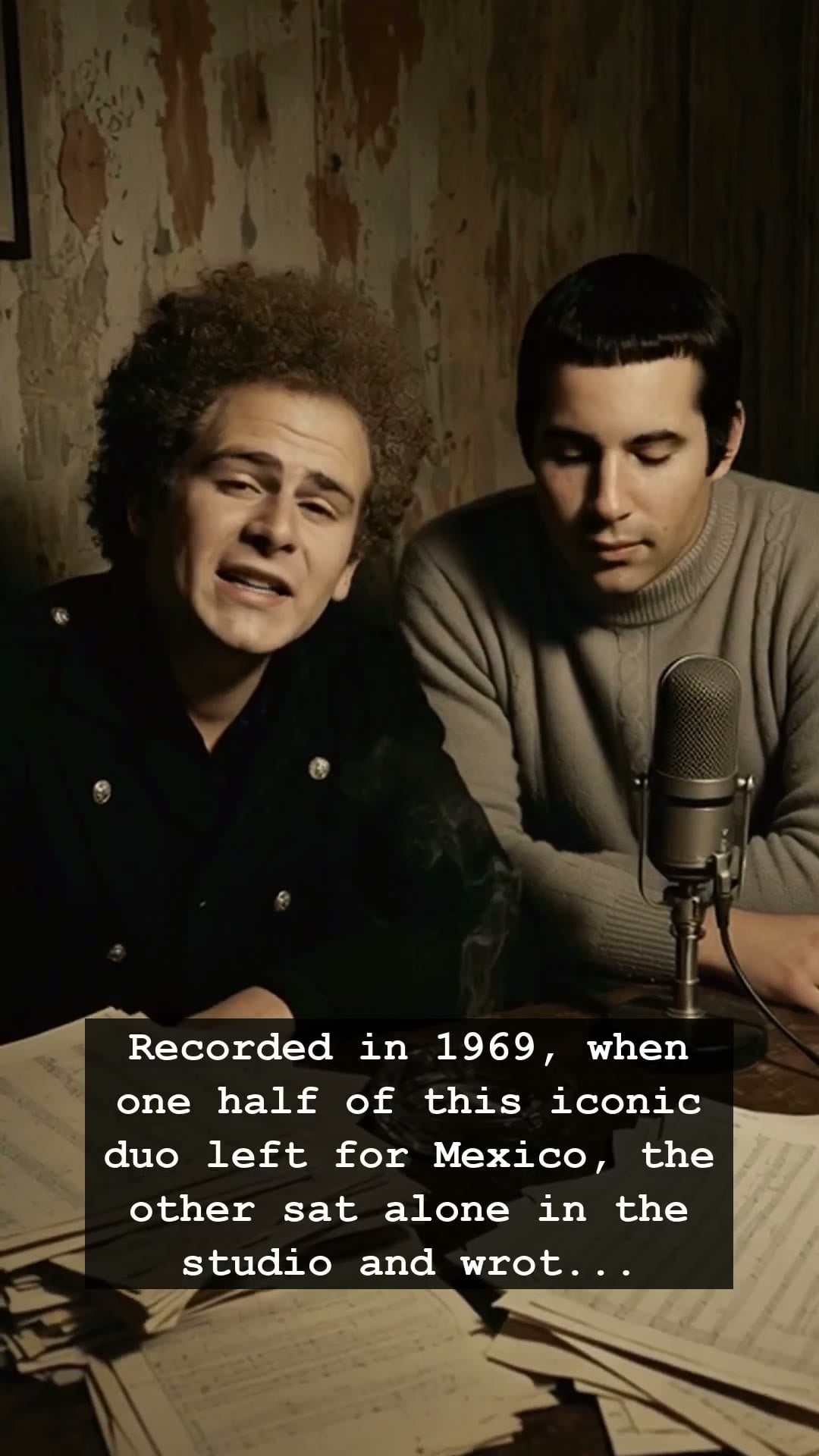
It was 1969, a year that smelled of hairspray, impending change, and the lingering dust of Woodstock. While the world outside was caught in the frantic shift from the peace-and-love era toward the cynical dawn of the seventies, a quiet storm was brewing inside a recording studio. Paul Simon and Art Garfunkel, the golden boys of folk-rock, were at the absolute peak of their creative power, yet their brotherhood was fraying at the edges. When Art Garfunkel departed for Mexico to film Catch-22, Paul Simon was left in a state of creative isolation that would eventually produce the most poignant eulogy for a friendship ever captured on tape.
Most fans remember the soaring, orchestral majesty of Bridge Over Troubled Water, but few realize it was birthed from a space of profound loneliness. As the jukeboxes across America spun their earlier hits, Paul Simon sat alone, grappling with the realization that his partner was pursuing a career that took him further away from their collaborative identity. The lyrics were not just poetry; they were a desperate, quiet plea for connection. Simon famously hid his frustration in plain sight, crafting a masterpiece that felt like a hymn for a drifting relationship, even as the melody itself seemed to reach out across the growing chasm between the two men.
This era was defined by the transition from the intimacy of the coffeehouse to the grandiosity of the stadium, and Simon and Garfunkel were caught right in the crosshairs. The studio sessions for their final studio album were notoriously tense. The creative friction between the analytical songwriter and the ethereal-voiced singer resulted in a sound that was pristine, yet undeniably haunted. When you listen to the song today, you can still hear the weight of that 1969 departure. It is a testament to how human agony can be transmuted into something transcendent and enduring.
Beyond the glitz of the burgeoning disco scene and the looming shadow of corporate rock, the story of this song remains a stark reminder of the dark side of fame. The pressure to replicate past glory while simultaneously outgrowing one another placed an insurmountable burden on their partnership. The duo, who had once been inseparable, were becoming two strangers sharing a microphone. This emotional betrayal turned the recording process into a battlefield of egos and artistic integrity, leaving us with a track that is both a love letter to humanity and a bitter goodbye to an era of their lives.
Even decades later, Bridge Over Troubled Water remains a cultural touchstone that echoes with the specific, bittersweet nostalgia of the late sixties. It serves as a bridge for generations, connecting those who lived through the era of the transistor radio and the early Walkman to those discovering the raw, unfiltered emotionality of vinyl today. When the final notes fade, we are left with the ghost of a partnership that changed music forever. Do you still feel the ache of that goodbye when you hear the piano start, or is it just the haunting memory of a time that can never be reclaimed?