
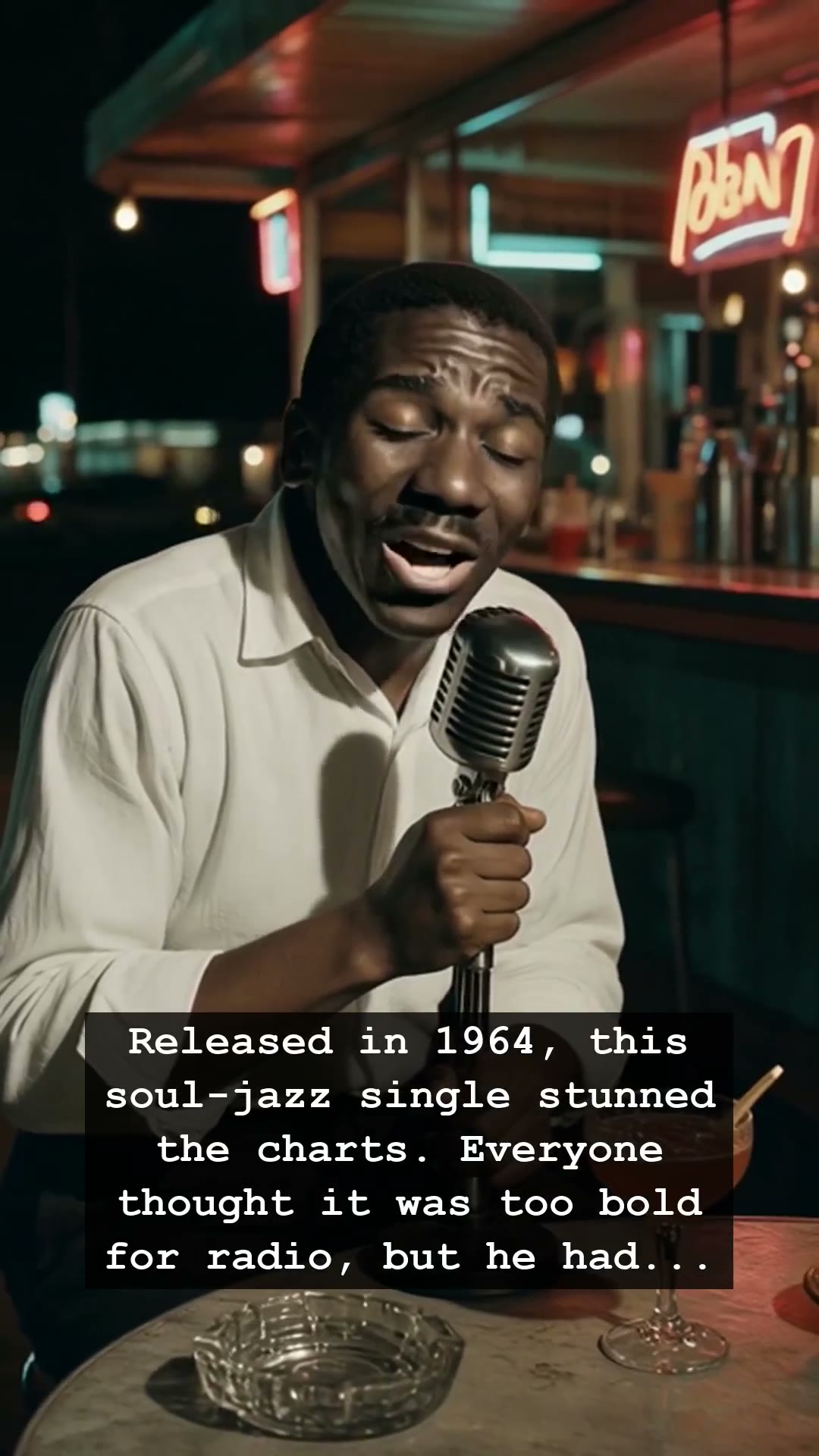
In 1964, the airwaves were dominated by the clean, polished harmonies of early pop and the rising tide of the British Invasion. Radio programmers were convinced that the average listener wanted vocal hooks and three-minute love songs, not the raw, growling complexity of instrumental jazz. Then came Jimmy Smith, a titan of the Hammond B3 organ, who decided to shatter every rule in the book. With the release of his explosive soul-jazz single, he didn’t just climb the charts; he launched a sonic revolution that proved instrumental music could be as bold, dangerous, and commercially viable as any rock anthem of the era.
Behind the scenes, the atmosphere was thick with skepticism. Jazz was supposed to stay in dimly lit clubs, hidden away from the bright lights of the Billboard Hot 100. When Jimmy Smith brought his electrifying organ virtuosity into the studio, even his own peers whispered that it was too aggressive, too experimental, and frankly, too loud for a radio audience accustomed to the soft crooning of the day. Yet, Jimmy Smith ignored the industry gatekeepers. He leaned into the gritty, bluesy textures of the organ, treating the instrument not like a church relic, but like a fire-breathing beast capable of capturing the restlessness of the decade.
To understand the magnitude of his gamble, one must look at the cultural landscape of 1964. This was a time when the Jukebox was the heartbeat of every roadside diner, and a track had to be instantly gripping to survive the cut. Jimmy Smith understood the power of the groove better than almost anyone. By fusing the technical prowess of bebop with the infectious, foot-stomping rhythm of R&B, he crafted a sound that felt both sophisticated and primal. It was the music of the streets, captured with the precision of a master technician who had spent countless nights refining his craft in the smoke-filled basements of Philadelphia and New York.
The impact was immediate and shocking. When the song hit the airwaves, it caught listeners off guard. It was a departure from the status quo, a moment where the lines between genres blurred into something entirely new. It wasn’t just a record; it was a defiant statement of artistic autonomy. Jimmy Smith had succeeded where everyone expected him to fail, proving that a virtuoso could bridge the gap between high-art jazz and the mainstream public without losing an ounce of his soul or intensity.
Decades later, the legacy of Jimmy Smith remains woven into the fabric of American music. His influence echoes through the generations, from the samples in modern hip-hop to the enduring love for that distinct, swirling Hammond organ sound. The story of that 1964 single remains a timeless reminder that sometimes the boldest risks yield the greatest rewards. If you ever find yourself spinning a classic vinyl record, listen closely for the hum of the B3—you are hearing the sound of a legend who dared to rewrite history one chord at a time.