
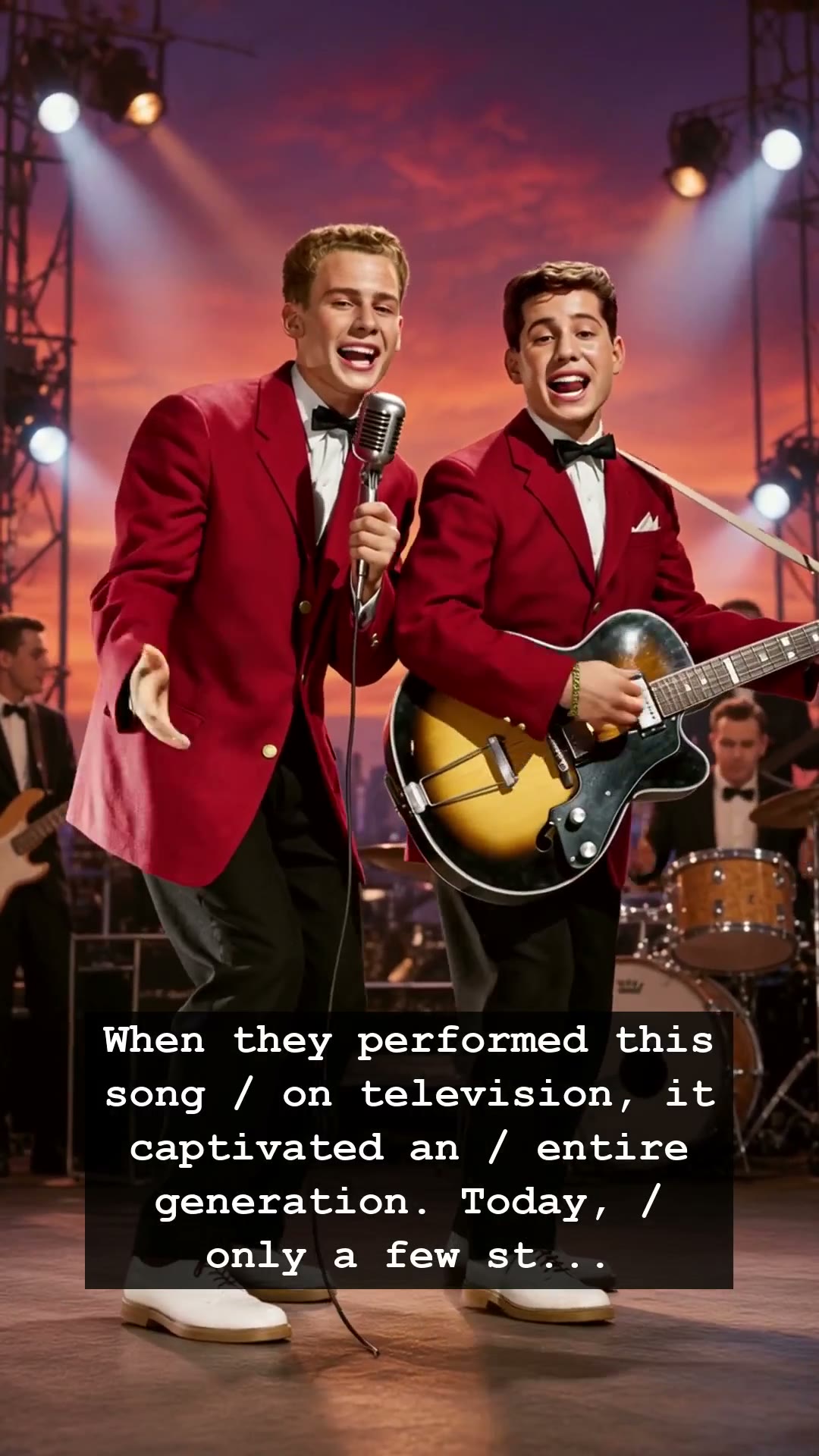
It was 1970, and the world felt like it was fracturing at the seams. While the decade’s earlier promises of flower power had wilted under the weight of Vietnam and social unrest, something fragile yet monumental emerged from the airwaves. When Simon and Garfunkel stepped onto the stage to perform Bridge Over Troubled Water, the studio audience didn’t just listen; they seemed to stop breathing. There were no flashy pyrotechnics or expensive stage gimmicks, just Paul Simon’s intricate songwriting and Art Garfunkel’s ethereal, soaring tenor. In an era dominated by the growing noise of arena rock and the budding ego-clashes of the music industry, this song cut through the static like a lighthouse beam in a storm.
The creation of the track was a masterclass in creative tension. By the time 1970 rolled around, the legendary duo was already nearing their breaking point. Their personal dynamic, once a harmonious blend of New York schoolyard friendship, had curdled into a complicated web of professional resentment and artistic diverging paths. Paul Simon had written the song as a gospel-tinged hymn of comfort, yet he famously struggled with the realization that he had handed his partner a melody that would define Art Garfunkel’s career far more than his own. As the piano chords cascaded through the speakers of every teenager’s Walkman and jukebox across the country, the song became a haunting paradox: a anthem of unity delivered by two men who were silently drifting apart.
There is a specific, tactile memory of that era that persists for those who lived through it. To hear that song on a flickering television screen was to feel an intimate, almost intrusive sense of vulnerability. In the spaces between the lyrics, in the moments where Art Garfunkel held a note until it felt like it might shatter the very air, you could sense the weight of the decade. The silence was heavy, thick with the unsaid grievances of a partnership that was destined to conclude at the height of its commercial powers. It was not just a song; it was a requiem for the innocence of the sixties, performed as the world braced for the cynicism of the seventies.
Even now, decades removed from that final creative explosion, the song retains a supernatural ability to stop time. Many fans today view the work through a lens of filtered nostalgia, forgetting the grit and the internal wars that birthed it. Behind the polished production lay the raw, human cost of fame. Simon and Garfunkel were never just voices on a record; they were symbols of a generational shift. The song continues to resonate because it touches the universal chord of loneliness, a feeling that remains just as sharp today as it did when the master tape first stopped spinning.
Perhaps it is that very human imperfection that makes the track a timeless masterpiece. We return to it not because it is perfect, but because it is honest. It reminds us that even the most beautiful connections are often the ones that leave the deepest scars. If you find yourself needing to revisit that singular moment of vocal perfection, take a moment to listen closely to the phrasing again. The history of American music is littered with broken duos and lost dreams, but few have managed to capture that sorrow with such grace. Do you remember where you were when you first heard it?