
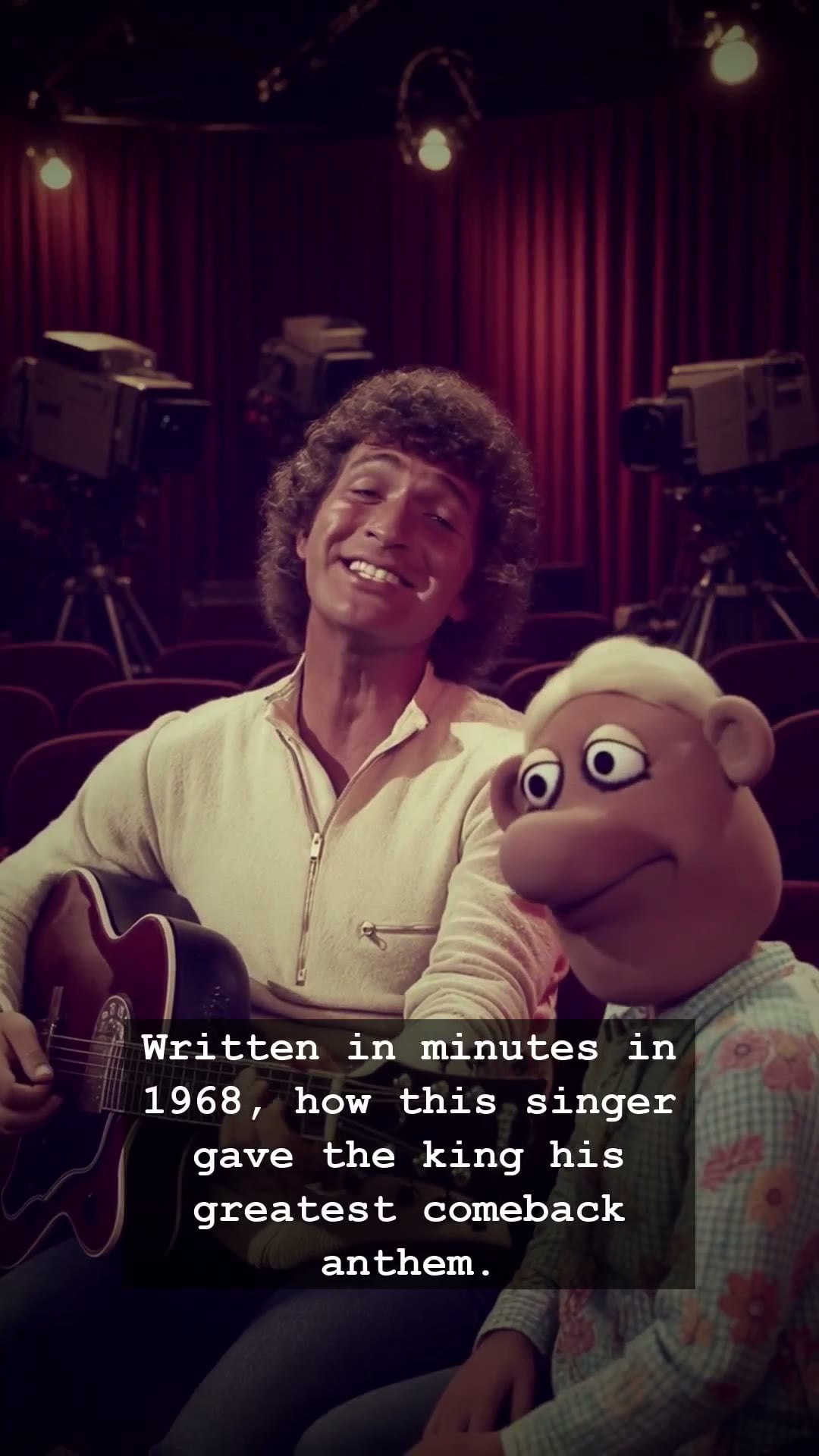
In the sweltering heat of 1968, the American landscape was fractured. While riots burned in the streets and the nightly news brought the grim reality of global conflict into our living rooms, the man who had once been the undisputed King of Rock and Roll seemed to be losing his crown. Elvis Presley had spent the better part of the decade trapped in a cycle of lackluster, formulaic Hollywood musicals, while the world moved toward the gritty, socially conscious sounds of the late sixties. He was a relic of a bygone era, desperately needing a spark to ignite a revolution. Enter Mac Davis, a talented, sharp-witted songwriter who would unknowingly pull the trigger on the most spectacular comeback in music history.
The creation of the song In the Ghetto is a testament to the lightning-in-a-bottle magic of the era. Mac Davis, who would later become a household name, wasn’t originally aiming for a masterpiece. Sitting down to write, he didn’t spend months laboring over a lyric sheet. Instead, in just a few minutes of pure, focused inspiration, he captured the brutal, heartbreaking cycle of poverty and systemic failure. It was a dark, narrative ballad that stood in stark contrast to the catchy, lighthearted tunes dominating the airwaves at the time. When Mac Davis penned those opening lines about a child born in the shadow of the ghetto, he was tapping into a collective consciousness that was raw, aching, and undeniably real.
When the demo reached Elvis Presley, it was a moment of profound transformation. The King heard the pain in the lyrics and saw a mirror of his own restless soul. This wasn’t just another song for a soundtrack; it was a gritty, socially conscious anthem that defied his previous image. Recording it at American Sound Studio in Memphis, Elvis stripped away the bravado and the glitz. The result was a haunting vocal performance that demanded the world take notice. It was a pivot point that bridged the gap between the rockabilly icon of the fifties and the mature, soul-searching artist of the seventies.
For a generation that grew up listening to the Jukebox or watching the rise of MTV, this collaboration represents the moment when music stopped being mere entertainment and started serving as a mirror to society. Mac Davis brought a storytelling sensibility that forced audiences to sit in the uncomfortable silence of the song’s ending. It was a brave departure, a moment where the King stepped out of his gilded cage and walked into the cold, hard reality of the streets. It redefined his career and cemented the partnership between Elvis and Mac Davis as one of the most unexpected, yet fruitful, creative alliances of the century.
Even decades later, the power of this track hasn’t waned. It serves as a haunting reminder that the best music often comes from the most difficult truths. Whether you are a longtime fan who remembers the record spinning on your living room floor or a newer listener discovering the legend, the story of this song remains a cornerstone of American cultural history. It is a testament to how one writer’s quick pen and one singer’s deep conviction can change the course of history forever. Next time you hear those opening chords, remember the quiet, intense moment in 1968 that gave the King his second life.