
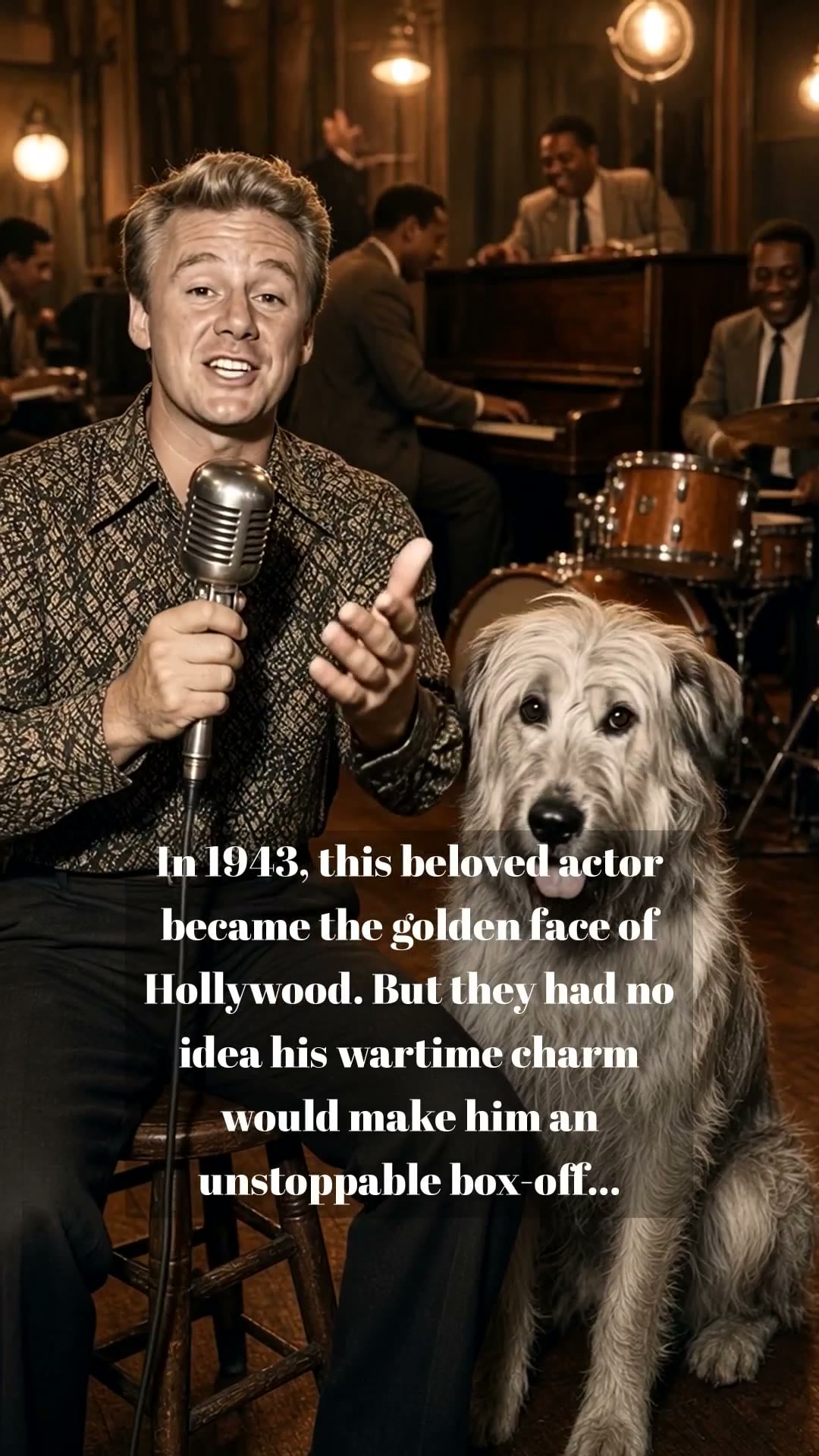
In the flickering, silver-hued memories of the 1940s, there was one face that seemed to define the very essence of American optimism. Before the era of the gritty blockbuster or the complex subversions of New Hollywood, Van Johnson stood as the quintessential boy-next-door. With his signature freckles and a disarming, earnest smile, he did not just act in films; he inhabited the hopes of a nation navigating the turbulence of wartime. Long before the convenience of home video or the saturation of the digital age, audiences flocked to movie houses simply to witness the effortless charm that Van Johnson brought to the silver screen.
His rise to stardom in 1943 was nothing short of cinematic magic. Signed to the legendary Metro-Goldwyn-Mayer, Van Johnson was initially viewed by studio executives as another reliable contract player. Yet, there was an inexplicable quality to his screen presence that transcended the standard scripts he was handed. Whether he was playing the brave soldier in A Guy Named Joe or the romantic lead in Thirty Seconds Over Tokyo, Van Johnson possessed a vulnerability that felt deeply authentic. He became the mirror in which a generation saw their own sons, brothers, and husbands reflected—courageous, kind, and irrevocably human.
For those who grew up during the Golden Age of Hollywood, the mention of his name evokes a specific, sepia-toned warmth. It is a reminder of a time when the star system was at its peak and the studio lot functioned as a factory of dreams. Unlike the intense, often self-consuming Method Acting that would define the decades to follow, the performance style of Van Johnson was rooted in a gentle sincerity. He didn’t need to force emotion; he simply allowed the audience to feel it with him. This connection was so profound that during the height of the war, he received thousands of letters weekly, proving that his impact went far beyond the flickering light of the projector.
As the decades transitioned from the wartime spirit to the Technicolor spectacles and eventually the rise of early television, Van Johnson remained a constant, steady presence. He navigated the changing tides of the industry with grace, even as the landscape shifted toward the epic productions of the 1950s and the social shifts of the 1960s. Those who remember him from the days of original theater screenings often speak of his work with a sense of quiet reverence, appreciating the professionalism and dignity he maintained throughout his long career on the Walk of Fame.
Today, as we look back at the history of cinema, the legacy of Van Johnson serves as a beautiful testament to the power of pure, unadulterated likability. He reminds us that true stardom isn’t just about the flashing bulbs of an Oscar night, but about the genuine bond formed between an actor and their audience. Though the years have marched on and the medium of film has evolved, the gentle spirit of this Hollywood legend remains etched in the hearts of those who still cherish the magic of the golden era.