
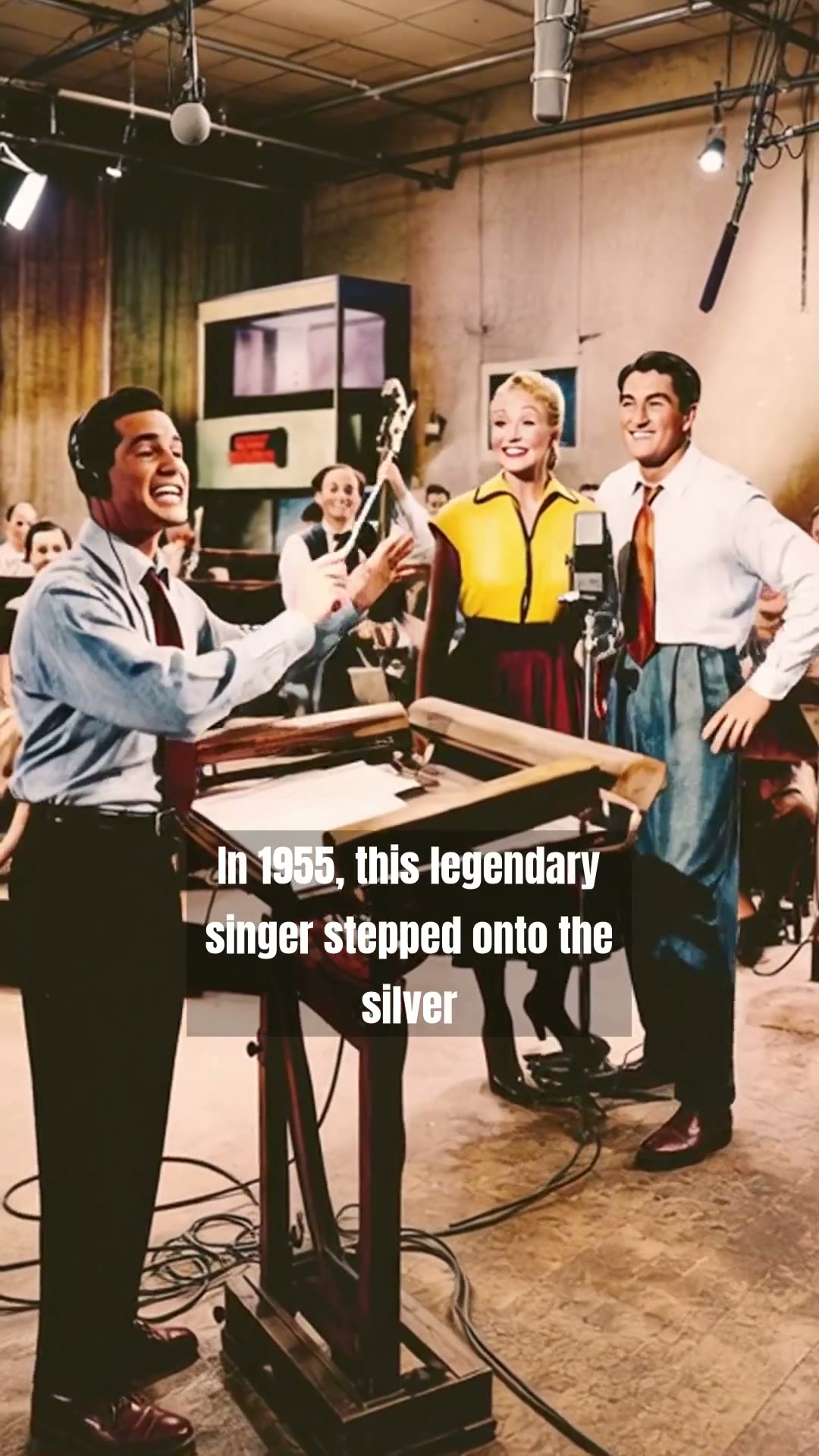
There is a specific, sepia-toned magic to the cinema of the 1950s—a time when the silver screen felt like a grand window into the soul of American culture. While many singers of that era transitioned into acting as mere vanity projects, Peggy Lee brought something profoundly different to the frame. In 1955, when she appeared in the film Pete Kelly’s Blues, the industry expected a standard musical cameo. Instead, they were met with a hauntingly raw performance that shattered every expectation of what a vocalist could achieve in the realm of dramatic cinema.
Peggy Lee was already a titan of the jazz world, known for her smoky, velvet voice and an uncanny ability to inhabit a song. However, her transformation into the tragic, alcoholic character of Rose Hopkins required a descent into shadows that few dared to tread. It was a masterclass in Method Acting, years before the term became a buzzy label in modern studios. She did not just recite lines; she wore the character’s frailty like a second skin, conveying a lifetime of disappointment with a single, trembling glance.
The industry was caught off guard, and for good reason. As the credits rolled, the jazz icon had effectively vanished, replaced by a woman whose quiet desperation defined the film’s narrative weight. The performance was so compelling that it earned her an Academy Award nomination for Best Supporting Actress. It was a monumental moment during an Oscar night that celebrated not just glamour, but genuine artistic bravery. To watch her scenes today is to witness a rare convergence of talent where the art of the song meets the intensity of a character study.
Looking back from the vantage point of the present, the legacy of Peggy Lee in Pete Kelly’s Blues stands as a testament to the depth of the Golden Age Hollywood stars. We often remember the blockbusters and the glitzy premieres of the VHS era that followed, but the true treasure lies in these quiet, devastating performances that anchored the mid-century experience. Peggy Lee reminded us that a performer’s greatest tool is their capacity for empathy. She stripped away the polish of the studio system to reveal something strikingly human.
The impact of that performance resonates today as a reminder that the best art requires a bit of vulnerability. Whether you are revisiting this classic on a dusty VHS tape or streaming a restored digital copy, the intensity remains unchanged. Peggy Lee possessed that rare, magnetic quality that commands the audience’s attention without ever needing to raise her voice. It is a piece of cinema history that continues to inspire, proving that a single performance can ripple through time long after the theater lights have dimmed.
As we cherish these icons of the past, we find ourselves returning to their stories not just for the nostalgia, but for the craftsmanship that seems so rare in our modern age. Peggy Lee left behind a footprint that remains etched on the Walk of Fame of our collective memories. She taught us that behind every haunting melody, there is a complex story waiting to be told. May we always find time to listen to the whispers of those who once captivated our screens with such grace.