
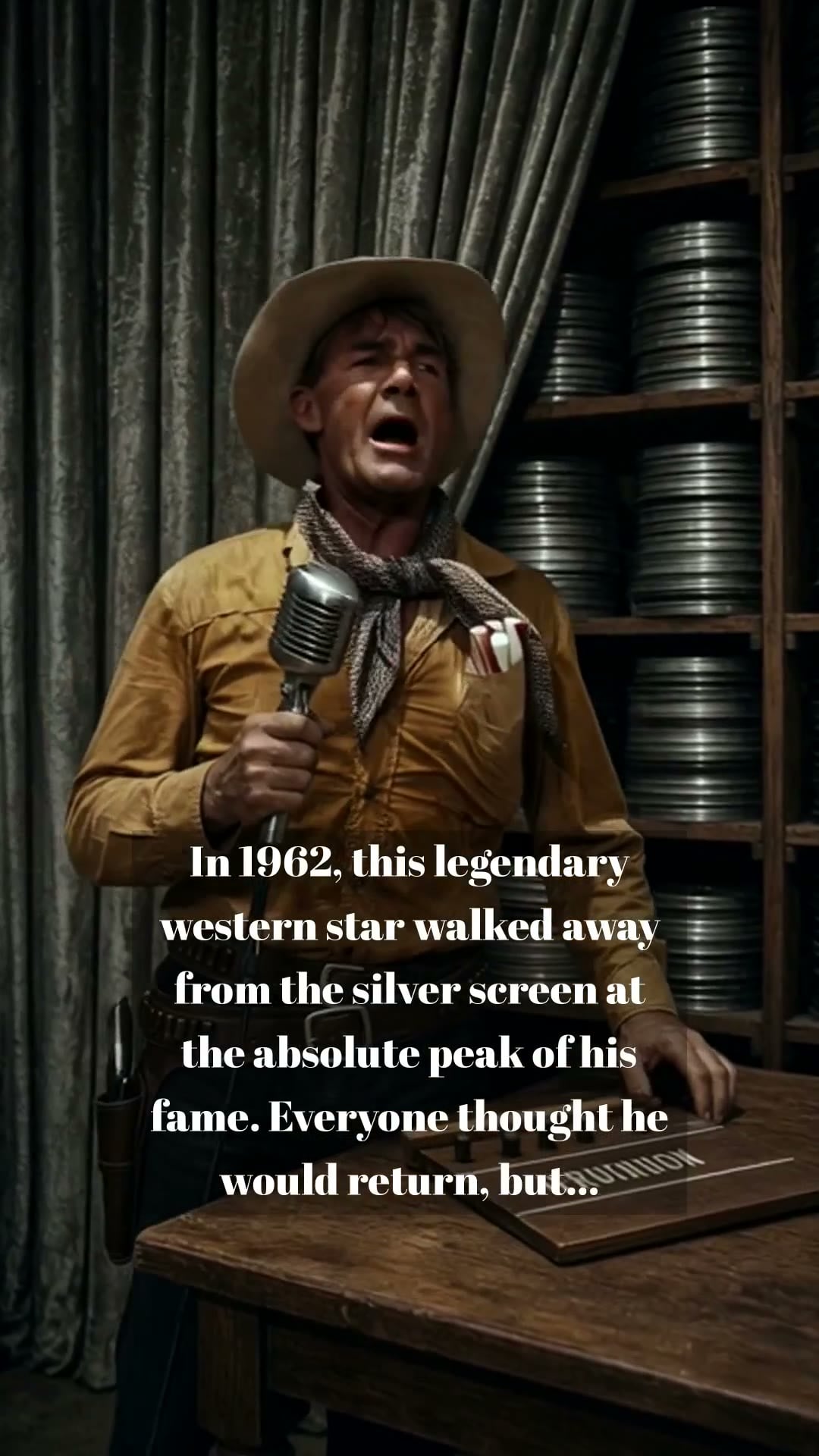
In the golden afternoon of 1962, the flickering lights of the silver screen dimmed for one of its most stoic giants. Randolph Scott, a name synonymous with the rugged integrity of the American Western, walked away from a career that had defined an entire era. While the studios begged for more, and audiences hungered for another classic, Scott simply hung up his spurs. It was a departure that remains one of the most enigmatic exits in cinema history, marking the end of a life spent in the service of the medium that captivated millions of us across the mid-century decades.
To understand the magnitude of this decision, one must look back at the landscape of the Golden Age of Hollywood. Randolph Scott was never just another handsome face in a cowboy hat; he was a master of the understated. His performance in Ride the High Country serves as a poignant epitaph to his career—a film that bridged the gap between the traditional Western and the shift toward the more psychological complexities of the New Hollywood era. At the absolute peak of his fame, he chose to step out of the limelight, proving that his artistic commitment was more about quality than the relentless pursuit of box office longevity.
For those of us who grew up watching these films on grainy VHS tapes or during late-night broadcasts, Randolph Scott represented a certain kind of masculine grace that feels rare today. He carried himself with a quiet dignity, rarely needing words when a glance could convey a thousand unspoken emotions. His dedication to his craft, often grounded in a natural, unaffected style that predated the aggressive intensity of Method Acting, earned him the respect of legendary directors and peers alike. He was a steady hand in an industry built on shifting sands, a man who understood the value of leaving a room while the conversation was still at its most engaging.
It is fascinating to reflect on why this move resonates so deeply even now. In an age where every star is constantly visible, the deliberate silence of Randolph Scott feels like a revolutionary act of self-preservation. He did not seek out the press or chase the fleeting validation of another Oscar night; he lived out his remaining years in quiet reflection, far from the artificial glare of the Walk of Fame. His departure was not a retreat, but a reclamation of his own life, proving that a true legend knows when the final curtain should rightfully fall.
As we look back at the mid-twentieth century through a nostalgic lens, the legacy of Randolph Scott remains untarnished by the passage of time. He reminds us of a bygone era where icons were built on substance rather than marketing, and where a man’s word—and his work—stood as his only true currency. Though the era of the classic Western may have faded, the image of him riding into the sunset remains etched in our collective memory, a timeless symbol of an era that will always feel like home.