
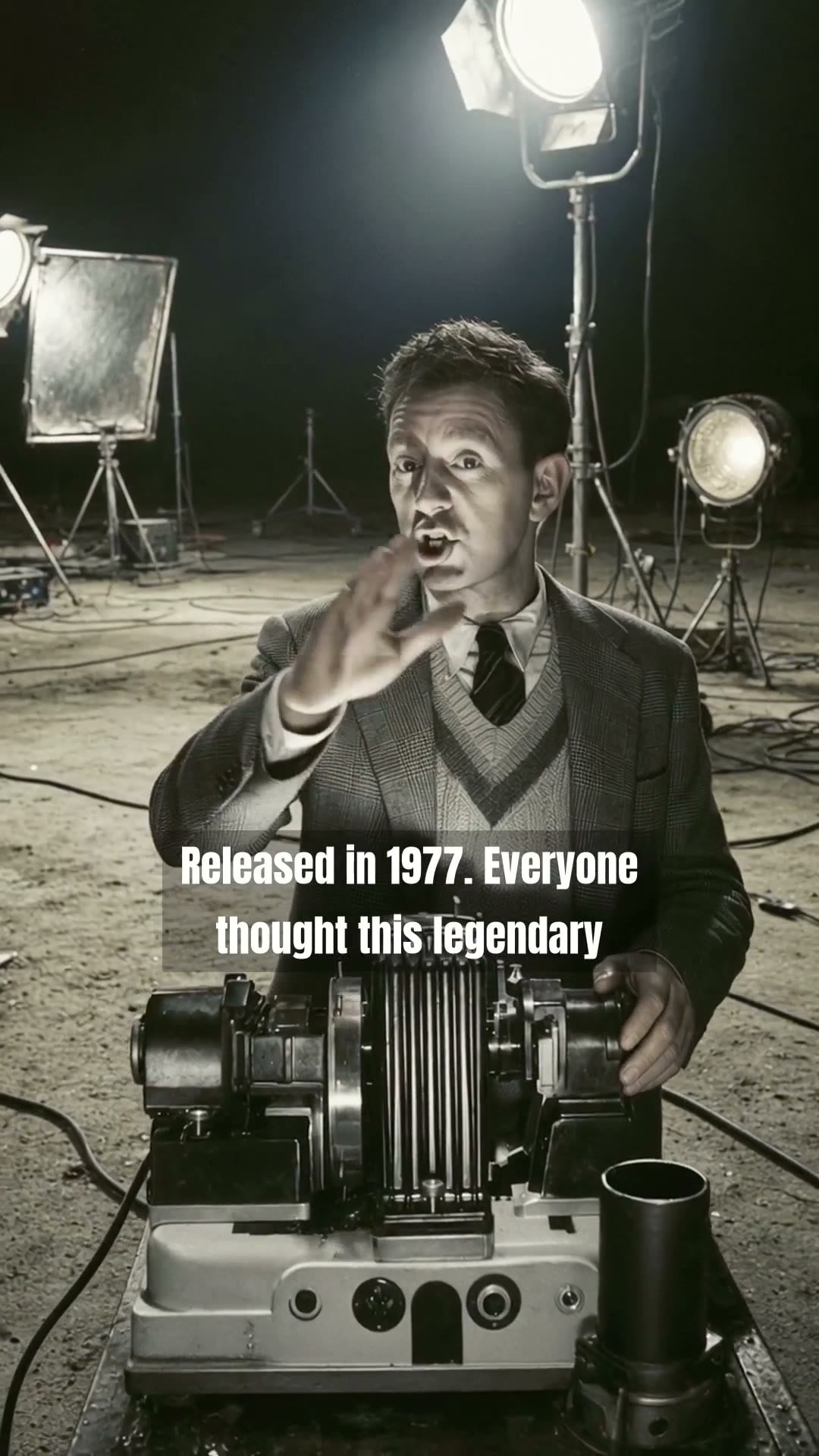
There is a quiet, dignified magic that defined the Golden Age of Hollywood, a time when screen icons commanded the screen with a mere flicker of the eyes or a subtle shift in posture. Among these titans, few possessed the technical brilliance and profound gravitas of Sir Alec Guinness. A master of the craft who famously championed the discipline of Method Acting long before it became a buzzword, Guinness brought a Shakespearean weight to everything he touched. Yet, history has a curious way of weaving irony into the lives of our greatest legends, particularly when it comes to the 1977 blockbuster that forever altered the landscape of cinema, introducing the world to the vast, shimmering galaxy of Star Wars.
To the millions of fans who lined up around the block to see the film, Alec Guinness was the quintessential wise mentor, a figure of hope and ancient tradition. His portrayal of Obi-Wan Kenobi provided the emotional anchor for a generation of moviegoers who were used to the character-driven dramas of the mid-century era. However, behind the robes and the mystical aura, the reality was starkly different. In his private correspondences and reflections, Alec Guinness confessed to a profound disdain for the script. He found the dialogue simplistic and at times unintelligible, feeling that the lines lacked the literary richness he had spent his life cultivating on the stage and in classical cinema. He famously pleaded with George Lucas to kill his character off, hoping to escape the production as quickly as his dignity would allow.
It is a fascinating paradox that one of the most beloved performances of his career was one he privately viewed with such skepticism. This clash between a classically trained actor and the burgeoning world of space-age blockbusters highlights the shifting tides of the industry during the late 1970s. As the era of the intimate, dialogue-heavy masterpieces faded into the age of the spectacle, Alec Guinness stood as a bridge between two worlds. Even while he struggled with the material, his innate talent ensured that he elevated the film, providing a sense of legitimacy that arguably helped propel the project into its status as a global cultural phenomenon.
Looking back now, we can appreciate the professional grace Alec Guinness maintained throughout this period. He never allowed his internal frustrations to manifest in his performance or public conduct. Instead, he treated the work with the same seriousness he applied to his Oscar-winning roles in earlier decades, such as his legendary performance in The Bridge on the River Kwai. His career serves as a testament to the fact that greatness is not always about loving every facet of one’s job, but about delivering excellence despite one’s reservations.
Today, as we dust off our old VHS tapes and look back at the cinematic history of the 1950s through the 1990s, we remember Alec Guinness not just for a singular space epic, but for a lifetime of devotion to the silver screen. He remains an enduring reminder that the most compelling stories are often the ones happening behind the camera. His life reminds us that true artistry transcends the dialogue, the genre, and even the actor’s own personal preferences. Even decades later, the shadow of his brilliance continues to cast a long, comforting light over the history of the art form he so dearly loved.