
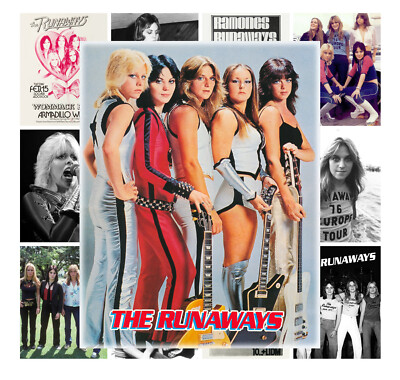
The year was 1975, and the male-dominated world of rock music was about to face a seismic shift, though nobody in the dimly lit Los Angeles studio knew it yet. A young Joan Jett stood there, guitar in hand, with absolutely no song prepared. The tension was palpable; the air thick with the smell of cheap cigarettes and the nervous energy of teenage rebellion. In what can only be described as a moment of pure, lightning-in-a-bottle serendipity, The Runaways did the unthinkable. They didn’t retreat or reschedule; they locked themselves in the room and, in just fifteen minutes of frantic, adrenaline-fueled collaboration, birthed a rebellious masterpiece that would shatter the status quo forever.
This was the dawn of a new era. Before MTV turned music into a visual spectacle and before the grit of grunge redefined the nineties, The Runaways were living out the raw, unpolished reality of rock ‘n’ roll. They were teenage girls in a landscape of leather-clad men, armed with nothing but cheap instruments, a collective chip on their shoulder, and a hunger to be heard. The creation of that initial, spontaneous anthem was more than just a musical exercise; it was a manifesto. It proved that rock music didn’t belong to the gatekeepers of the industry; it belonged to anyone with enough guts to plug in and turn the volume to ten.
Behind the scenes, the story of The Runaways was never just about the music. It was a chaotic, often heartbreaking journey through the underbelly of fame. Managed by the controversial Kim Fowley, the girls were thrust into a world of intense media scrutiny and dangerous pressures. They navigated a landscape of substance use and emotional exhaustion, all while being touted as the next big thing. Yet, beneath the tabloid scandals and the clashing egos, there was an undeniable bond forged in the fires of their shared ambition. They were rebels without a cause, except for the music itself, which served as their only true anchor in a turbulent industry that wanted to chew them up and spit them out.
Even today, the legacy of The Runaways continues to resonate with anyone who has ever felt like an outsider looking in. They paved the way for generations of women in rock, proving that the spirit of rebellion is genderless and timeless. When you listen to those early tracks, you can still hear the urgency in their voices—the sound of girls who knew they were making history even while the world tried to write them off as a mere novelty act.
Looking back, the story of those fifteen minutes reminds us that greatness often comes from the most unpredictable moments. It wasn’t the polished studio production that made them legends; it was the raw, authentic grit of a band that dared to exist when they were told they shouldn’t. The next time you find yourself turning up the dial on an old jukebox, remember those girls in L.A., and let their defiance serve as a reminder that the best stories are the ones written against all odds.