
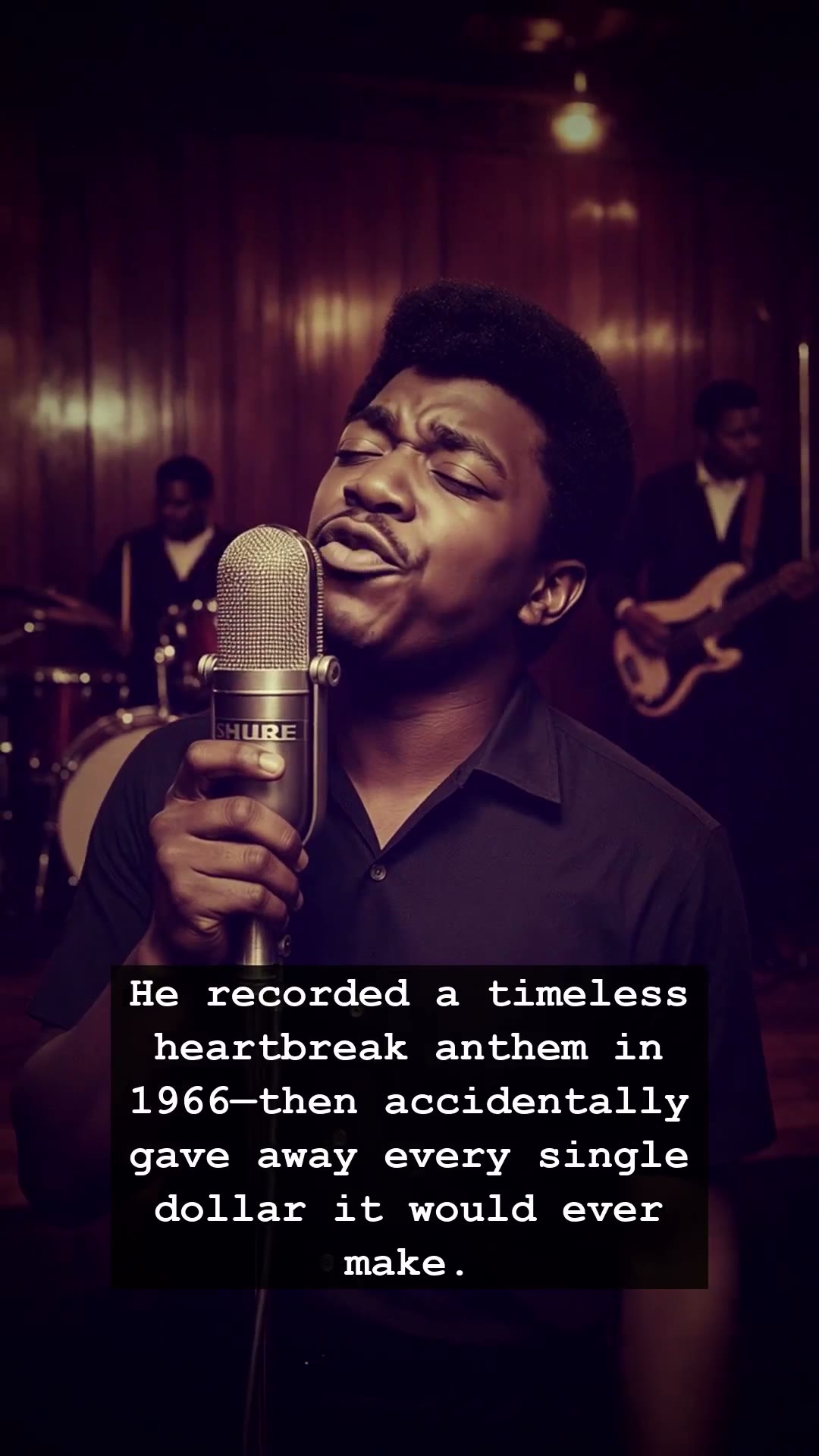
In 1966, the world was changing. The golden age of soul was reaching its crescendo, and from the humid depths of the American South emerged a voice that could crack the strongest of hearts. Percy Sledge, a former hospital orderly, walked into a small recording studio in Sheffield, Alabama, with a melody that had been rattling around his soul for years. He didn’t just sing When a Man Loves a Woman; he bled it. The song captured the raw, messy, and all-consuming nature of devotion, becoming an instant anthem that soundtracked a generation. But while the world was falling in love with that melancholic organ line and his weeping vocals, a tragic irony was unfolding behind the scenes that would haunt the singer for the rest of his life.
To understand the magnitude of Percy Sledge and his masterpiece, you have to remember the era. This was the time of the jukebox, where a single three-minute track on a 45-rpm vinyl could define a life. When a Man Loves a Woman was more than just a hit; it was a cultural phenomenon. It topped the charts and became the definitive soul ballad of the decade. Yet, in a moment of misguided generosity and lack of legal foresight, Percy Sledge signed away the songwriting credits to his bandmates. He was a man of humble beginnings who trusted his friends, and in a split-second decision, he effectively handed over a fortune in royalties that would have secured his family for generations.
It is the classic, bitter trope of the music industry—the brilliant artist who loses everything to the fine print while the world reaps the rewards. Watching the success of the song unfold must have been a complex agony for Percy Sledge. He saw his voice become a timeless symbol of romantic longing, yet he remained largely excluded from the massive financial success the song generated over the following decades. It is a stark reminder of the dark side of 1960s stardom, where talent was often exploited and legal protections for legendary performers were non-existent. The glamour of the recording studio, the bright lights, and the chart-topping status masked a reality of missed opportunities.
Despite the financial betrayal, the legacy of Percy Sledge remains untarnished by greed. His voice possessed a vulnerability that very few singers have ever mastered. He sang from a place of genuine, unvarnished pain—a reflection of the heartbreak that inspired the very lyrics he gave away. Even as the years went by, through the disco era and into the synth-pop landscape of the 80s, the song never lost its potency. It remains a testament to his character; he never grew bitter publicly, continuing to perform with a grace that was as moving as his music.
Today, When a Man Loves a Woman sits in the pantheon of history’s greatest recordings. We look back at Percy Sledge not just as a tragic figure of lost royalties, but as a giant of soul music who gave the world a piece of his heart and never asked for more. His story serves as a cautionary tale about the intersection of artistry and commerce, reminding us that behind every classic hit lies a human story, often one filled with sacrifice. When you hear that opening piano chord today, listen closely to the man behind the myth—he wasn’t just singing a song; he was giving us his legacy.