
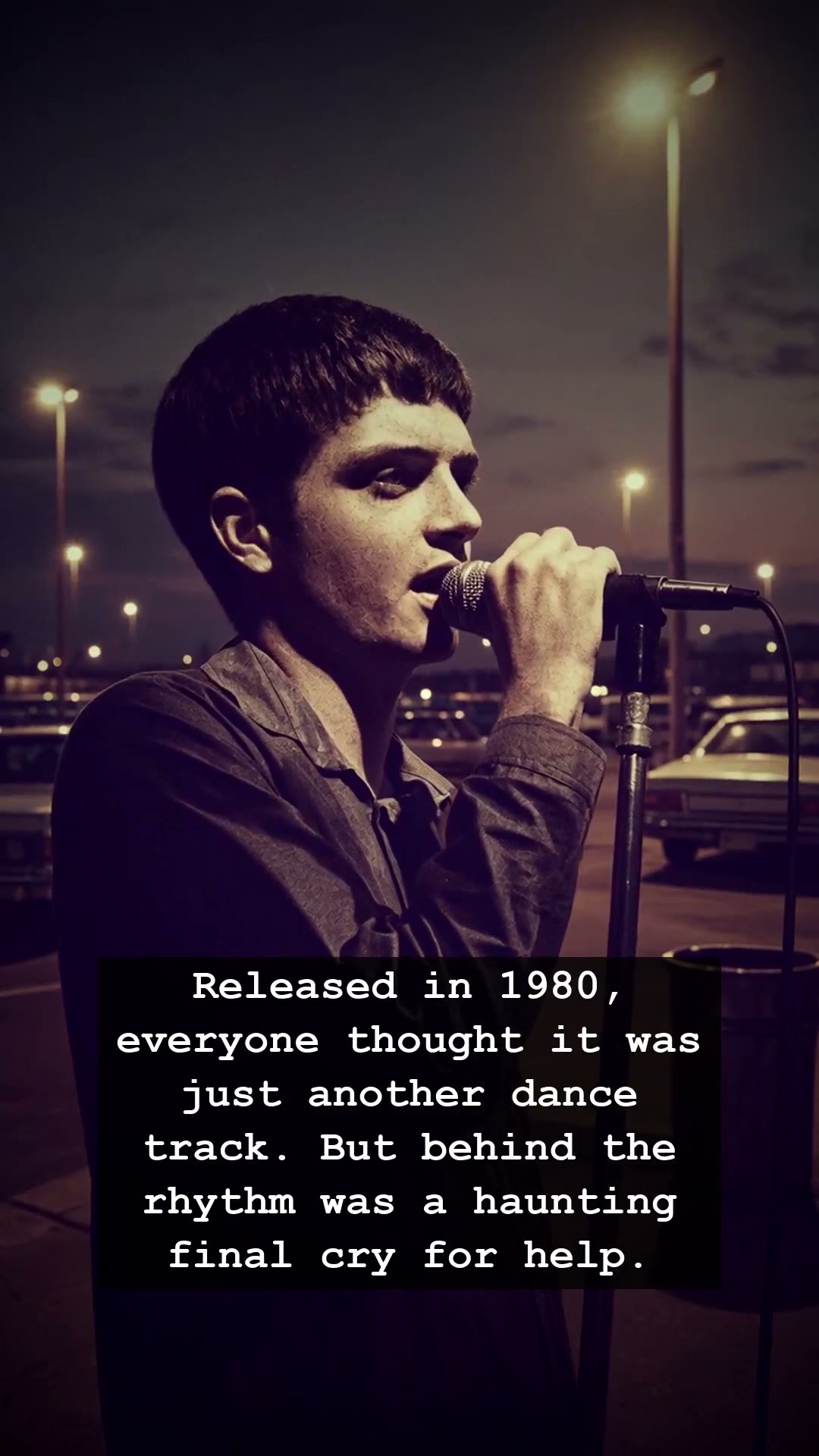
In the spring of 1980, the world was shifting. As the neon glow of the early synth-pop era began to replace the grit of the seventies, a song hit the airwaves that sounded like the future. Love Will Tear Us Apart was meant to be a danceable anthem, a track that would fill the floor of every trendy club from Manchester to the underground haunts of London. To the casual listener tuning in on their cassette players, it was a catchy, melancholy melody. But for Ian Curtis, the enigmatic frontman of Joy Division, those lyrics were not just poetry set to a beat. They were a visceral, agonizing suicide note written in the language of a dying marriage and a crumbling psyche.
To understand the gravity of Ian Curtis, you have to transport yourself back to a time before the digital age stripped music of its mystery. This was the era of the Walkman, where music was a solitary, sacred experience shared through headphones. Ian Curtis lived in the shadows of this period, a tall, gaunt figure whose stage presence was less a performance and more a harrowing display of internal warfare. He moved with a jerky, epileptic intensity that seemed to channel the very anxiety of a generation caught between the decay of post-industrial Britain and the hollow promises of a new decade.
While Joy Division was gaining momentum as the pioneers of the post-punk movement, the man behind the microphone was fracturing. The fame was suffocating, and his health was failing him. The relentless touring schedules, combined with the pressure of a crumbling home life, pushed Ian Curtis to the absolute edge of human endurance. When the band recorded Love Will Tear Us Apart in Strawberry Studios, the air was thick with the kind of tension that only history can recognize in retrospect. They were crafting a masterpiece, yet they were oblivious to the fact that they were soundtracking the final chapter of their lead singer’s life.
It is haunting to listen to the track today and realize that the rhythmic, hypnotic synth lines were masking a soul in terminal decline. The song was a brutally honest confession of marital infidelity and emotional alienation. Shortly after its release, on the eve of the band’s first American tour, Ian Curtis took his own life. The world was left stunned, not just by the loss of a brilliant artist, but by the realization that his final cry for help had been masquerading as a pop hit for the masses.
Decades later, the legend of Ian Curtis endures as one of the most tragic narratives in rock history. His story serves as a stark reminder that behind the glitz of the charts and the iconic status of bands like Joy Division, there are human beings grappling with shadows that no amount of success can illuminate. We continue to return to his music not just for the sound, but to touch the raw, unvarnished truth he left behind. Even now, whenever that opening riff plays, we are reminded that some voices never truly fade; they just continue to echo through the corridors of time.