
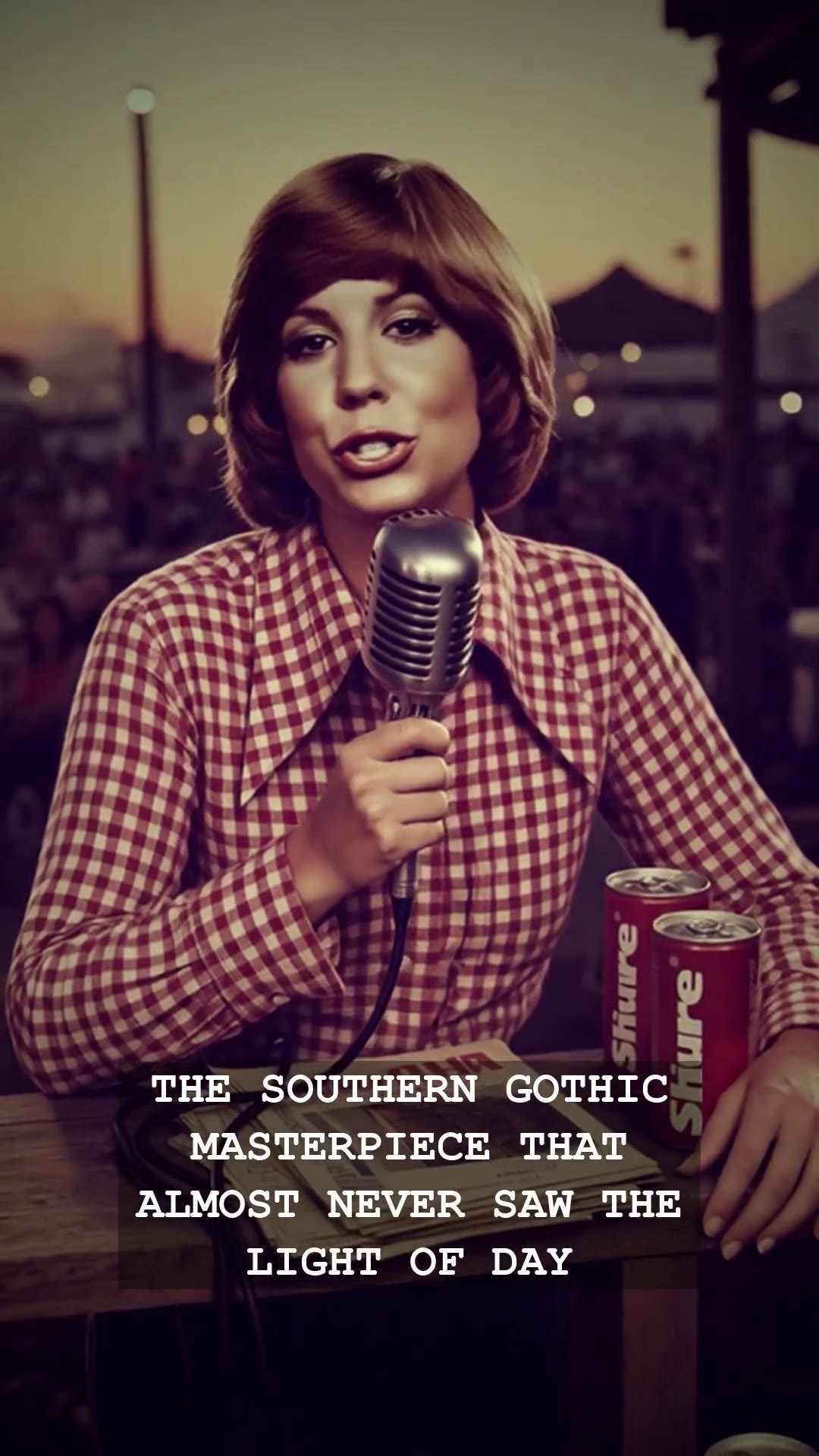
It is a haunting melody that feels like a humid night in the Deep South, a song that listeners of the 1970s still remember with a shiver. When the opening notes of The Night the Lights Went Out in Georgia drift from a vintage jukebox, the room seems to grow colder. Yet, few fans realize that this Southern Gothic masterpiece, brought to life by the iconic Vicki Lawrence, almost never saw the light of day. It was a song born from the creative mind of Bobby Russell, a man who possessed a rare, dark gift for storytelling, but its path to the charts was paved with doubt and hesitation.
Bobby Russell, the husband of Vicki Lawrence at the time, penned the chilling narrative with a specific, morbid intent. The song weaves a complex web of infidelity, judicial corruption, and accidental murder that felt more like a gripping novel than a standard radio hit. For a long time, the demo tape sat in a drawer, gathering dust. Executives were wary of its bleak content, fearing it was too morbid for the pop sensibilities of the early seventies. They worried that the public would recoil from a story about a judicial system gone wrong and a betrayal that led to a double funeral. It was a risk that almost no one in the industry wanted to take.
Vicki Lawrence, known to the world for her comedic timing and her presence on The Carol Burnett Show, saw something in the song that others missed. She saw the raw, emotional power of the lyrics and the tragic beauty of the narrative. Despite the skepticism of the music establishment, Vicki Lawrence decided to record it. When she stepped into the studio, she didn’t just sing the words; she inhabited the character, delivering the story with a cold, detached precision that made the hair on the back of the listener’s neck stand up. It was a stark departure from the glitz of network television, proving she was a performer of immense gravity.
Released in 1973, the song defied all expectations. It climbed the charts, capturing the public’s imagination with its vivid, cinematic storytelling. It remains a testament to a time when artists dared to experiment with dark, narrative-driven content that challenged the status quo. The collaboration between Vicki Lawrence and the songwriting genius of Bobby Russell carved out a unique space in American music history. It was a gritty, atmospheric anomaly that resonated because it felt hauntingly human, a reflection of the secrets kept behind closed doors.
Decades later, the song serves as a reminder of an era when music could truly stop you in your tracks. It lingers in the collective consciousness, a ghost story that demands to be heard again and again. As we look back on the legacy of Bobby Russell and the undeniable impact of Vicki Lawrence, we find ourselves drawn back to that fateful night in Georgia. It remains a timeless piece of Americana, proving that sometimes, the darkest stories are the ones that shine the brightest.