
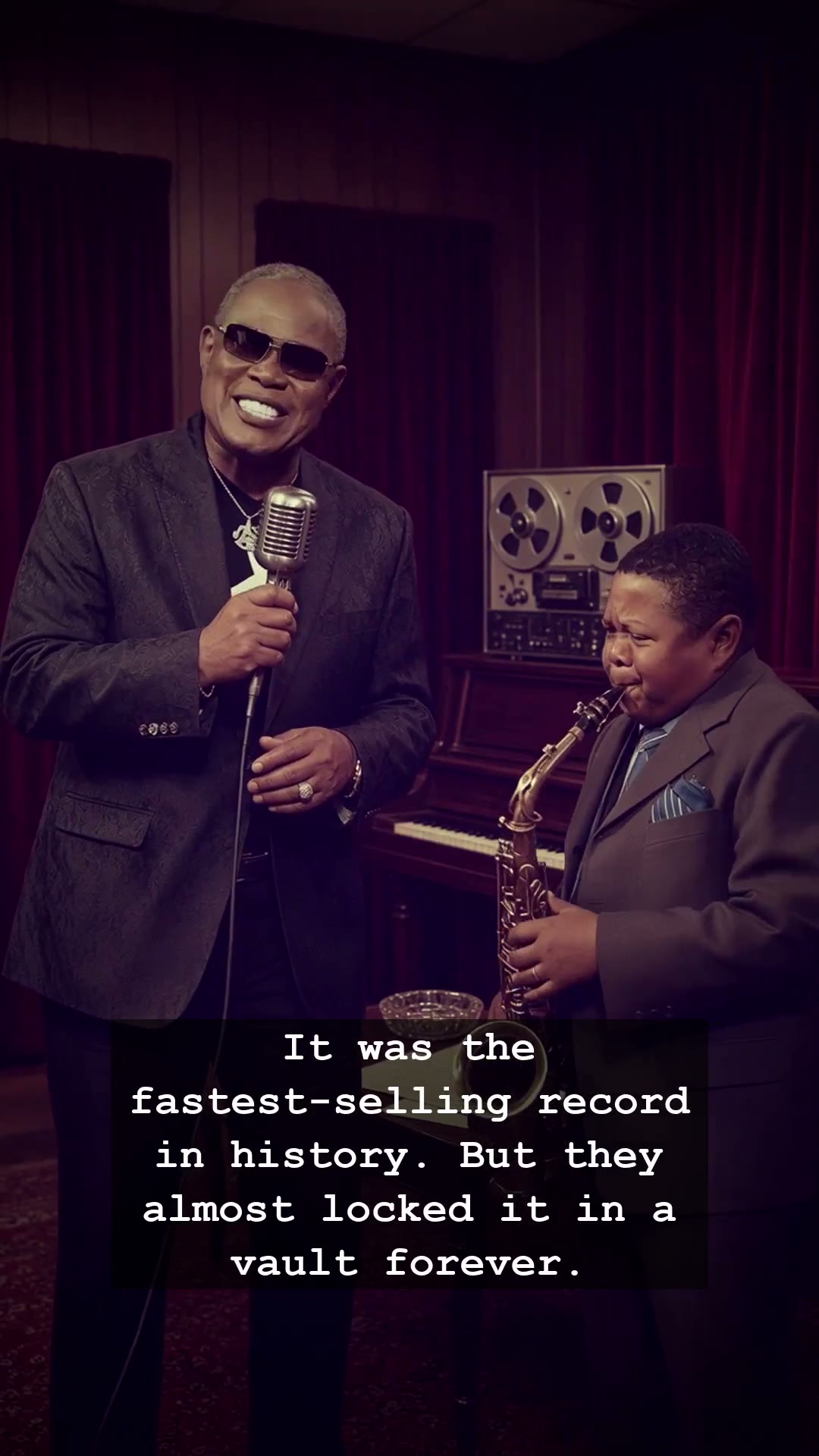
Imagine a cold, dimly lit studio in 1964. The air is thick with the scent of cigarettes and the hum of analog equipment. A song is playing that will soon become the most played track in radio history, yet it nearly never saw the light of day. For The Righteous Brothers, Bill Medley and Bobby Hatfield, their signature hit, You’ve Lost That Lovin’ Feelin’, was a masterpiece caught in the crosshairs of a terrifying musical architect: Phil Spector. The eccentric producer, known for his suffocatingly perfectionist Wall of Sound, was so volatile that the very record that would cement their immortality was almost buried in a vault, locked away from the public ears that were desperate for its haunting, blue-eyed soul.
At the center of this drama was the clash between The Righteous Brothers and Spector’s tyrannical genius. Spector demanded countless takes, pushing the duo to the brink of exhaustion. He was obsessed with an impossible sound, layering instrumentation until the tracks were thick with drama and melancholy. When the final cut was finished, the song felt too long, too slow, and perhaps too ambitious for the fast-paced jukebox era of the mid-sixties. Spector famously believed he had pushed the boundaries of pop music, but he was also prone to fits of paranoia. If he could not control how the world perceived his Wall of Sound, he was ready to hide it forever.
The track eventually hit the airwaves, defying the industry’s unspoken rule that singles should be under three minutes. Radio stations were hesitant, but the public reaction was instantaneous. When listeners heard that deep, resonant baritone of Bill Medley contrasting with the soaring, desperate tenor of Bobby Hatfield, it felt like the pulse of an entire generation. It was a song that captured the ache of romance and the brutal reality of fading love. It moved with the cinematic grandeur of a film noir, turning a simple pop song into a cultural monolith that would define an era.
The impact of The Righteous Brothers during this time cannot be overstated. In an age dominated by the British Invasion, they stood their ground as the kings of American blue-eyed soul. They performed with a raw, sweaty intensity that seemed to belong on the stages of the most elite clubs. Yet, beneath the glamour of the spotlight, the relationship between the artists and their producer was a pressure cooker of ego and conflicting visions. It is a miracle that such a beautiful, sweeping arrangement survived the ego-driven battles that took place behind the glass in the recording booth.
Today, decades later, You’ve Lost That Lovin’ Feelin’ remains a haunting reminder of a different time. It evokes memories of crackling vinyl, the flickering neon of an old diner, and the profound sadness that only a perfect melody can articulate. The story of The Righteous Brothers is not just about a chart-topping hit; it is a testament to the fact that sometimes, the greatest art is born from the most volatile circumstances. The next time you hear that iconic opening piano riff, remember that you are listening to a record that was only a heartbeat away from being silenced for eternity.