
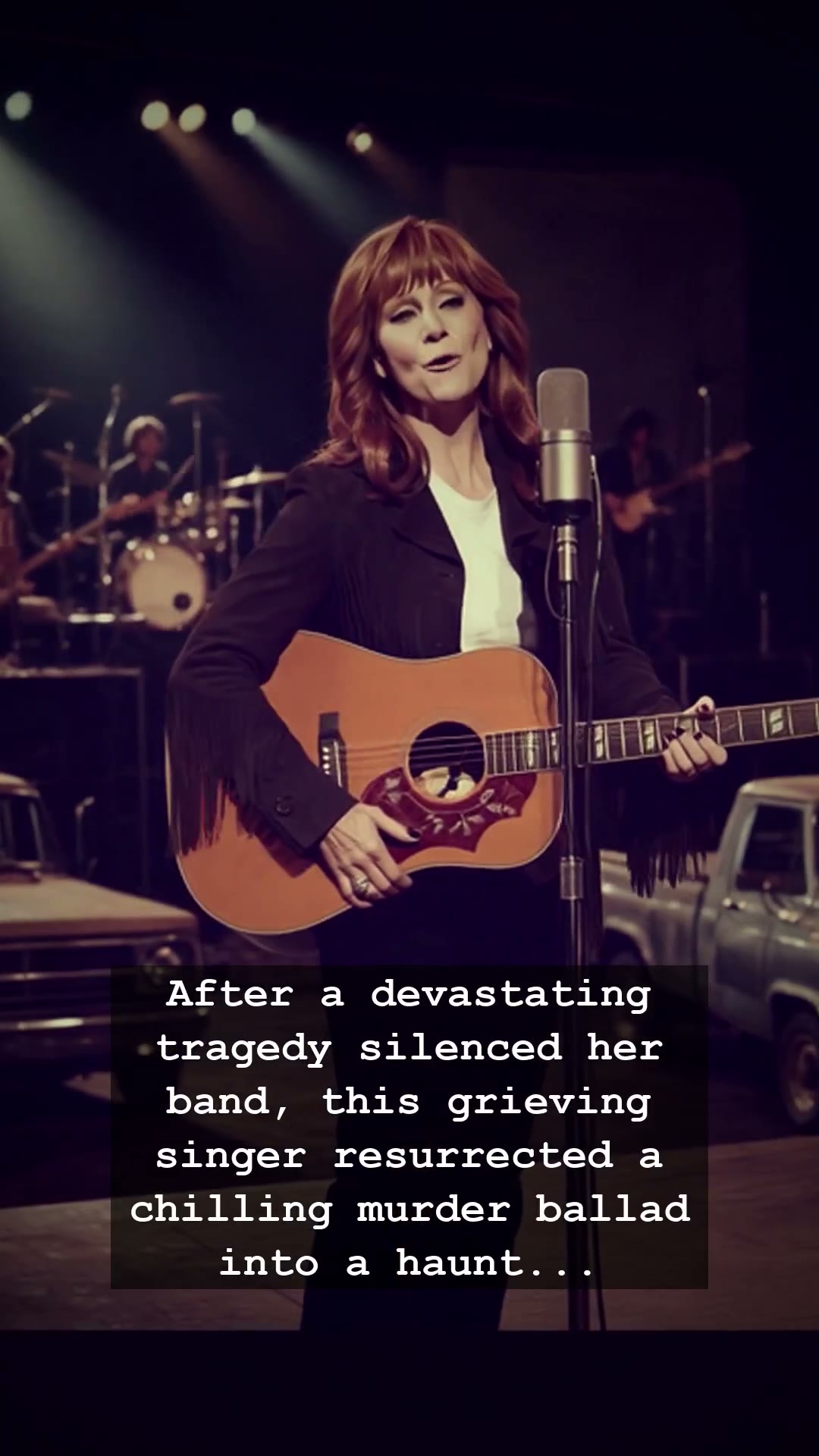
The year 1991 was meant to be a crowning achievement for country music icon Reba McEntire. She was at the peak of her powers, riding a wave of success that had already turned her into a household name. But in a single, devastating heartbeat, the world of Reba McEntire shattered. On March 16, 1991, a private plane carrying eight members of her band and her tour manager crashed into the side of Otay Mountain near San Diego. Every soul on board perished. The tragedy left a gaping wound in her life, silencing the music and plunging the star into a state of profound, inconsolable grief that would have ended the careers of many lesser artists.
Yet, in the depths of that hollow silence, Reba McEntire found an unlikely source of catharsis. While sorting through her archives, she unearthed a song titled The Night the Lights Went Out in Georgia. It was a chilling 1972 murder ballad, a dark tale of betrayal, small-town corruption, and a lethal misunderstanding that had once been a hit for Vicki Lawrence. For Reba, the song was more than just a melody; it was a vessel for the complicated, jagged emotions she was struggling to process. The lyrics, dripping with Southern gothic tension, provided a stark contrast to the saccharine pop-country sounds filling the radio waves of the early nineties.
When Reba McEntire stepped into the recording studio to track the song, the atmosphere was suffocatingly heavy. She was not just singing; she was exorcising ghosts. Her vocal performance on the track is visceral, cold, and undeniably haunting. She stripped away the polished, cheerful veneers of her previous hits, opting instead for a gritty, narrative delivery that felt like a confession whispered in the dark. It was a masterpiece of storytelling, transforming a twenty-year-old crime story into a chilling anthem that gripped the listeners by the throat. When it hit the airwaves, it didn’t just climb the charts; it terrified and captivated the American public in a way few country songs ever had.
This transformation solidified Reba McEntire as a force of nature. In an era dominated by the glitz of MTV and the rising synthetic sounds of pop, she reminded everyone that country music was rooted in the dirt, the shadows, and the resilience of the human spirit. The song became a staple of her live shows, a moment where the stadium lights would dim, the band would drop to a low simmer, and she would command the stage with nothing but her voice and a story of inevitable tragedy. It remains one of the most powerful pivots in country music history, a testament to how art can transmute the darkest trauma into something enduringly beautiful.
Decades later, the song stands as a monument to her ability to survive the impossible. Reba McEntire did not just endure the tragedy of 1991; she channeled it, letting the echoes of her lost band resonate through the haunting chords of a murder ballad. Today, when we listen to that track, we aren’t just hearing a story about Georgia; we are hearing the resolve of a woman who stared into the void and decided to keep singing. It is a chilling, perfect reminder that even when the lights go out, the music can still find a way to burn.