
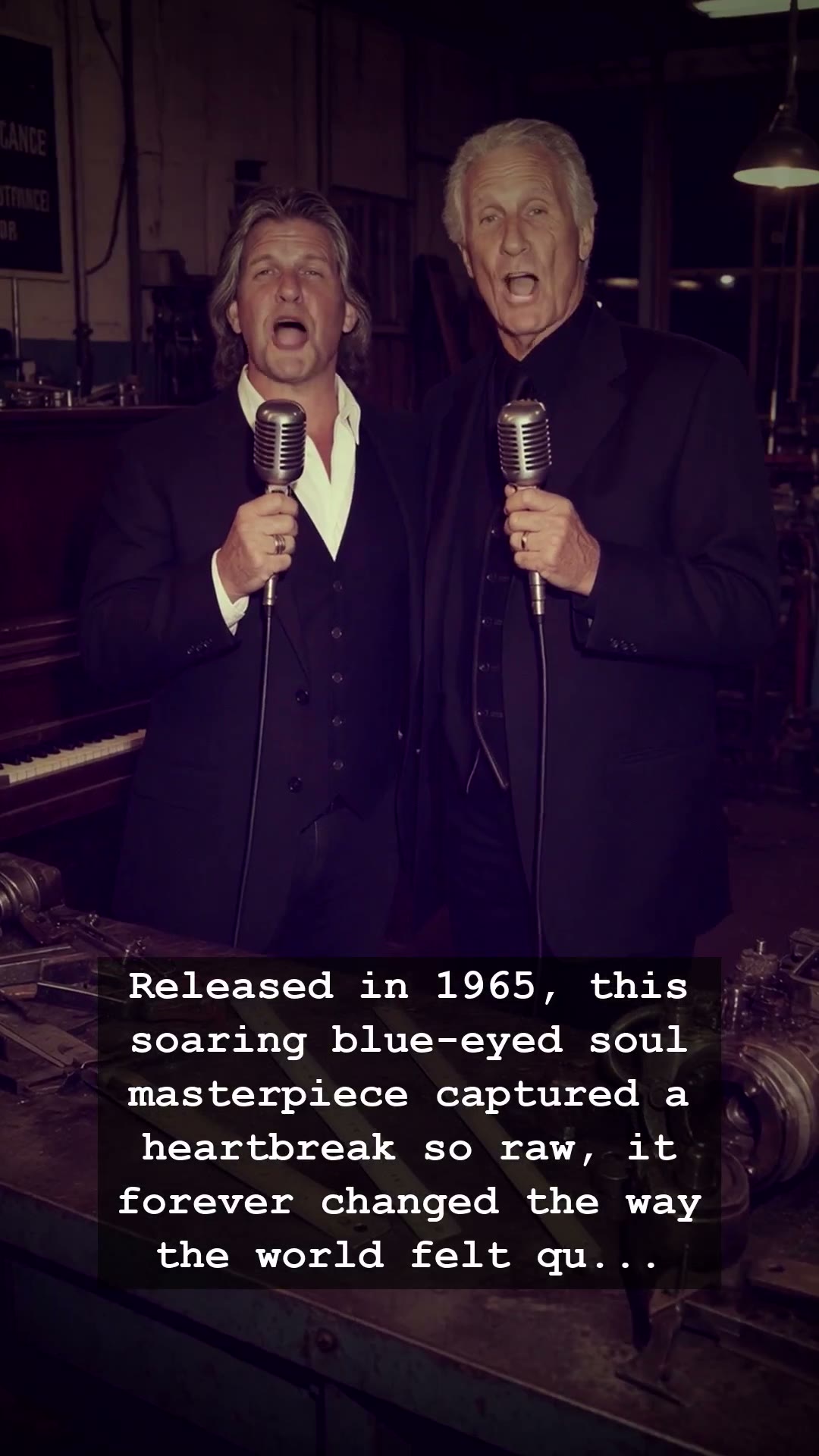
It was 1964, and the airwaves were being conquered by the energetic charm of the British Invasion. Amidst this frenzy, a duo from California walked into a recording studio with a song that would soon define the mid-sixties. The Righteous Brothers, composed of the baritone power of Bill Medley and the soaring tenor of Bobby Hatfield, were about to gamble everything on an ambitious track titled You’ve Lost That Lovin’ Feelin’. Little did they know, this song, which now stands as one of the most played tracks in radio history, was nearly left on the cutting room floor, abandoned by industry executives who deemed it too slow and far too long to ever capture the public imagination.
The studio atmosphere was thick with tension. Legendary producer Phil Spector, famous for his dense Wall of Sound production, was obsessed with perfection. He forced The Righteous Brothers to record take after grueling take, pushing their vocal cords to the brink of exhaustion. Bill Medley recalls sitting in the booth, frustrated and uncertain, wondering if the song would even make sense as a single. Spector knew something the others didn’t: he was crafting a symphony of heartbreak. He wanted to capture the internal silence that follows a sudden, devastating realization of lost love. When they finally nailed that haunting opening, the world of blue-eyed soul was changed forever.
At the time, the song felt like an anomaly. It didn’t fit the upbeat, danceable mold of the early sixties. Yet, when it hit the jukeboxes across America, it resonated with a raw, visceral truth. People weren’t just listening to the melody; they were feeling the weight of the lyrics. The Righteous Brothers tapped into a universal agony that transcended the glitter of the era. It was a masterpiece of quiet pain, a song that commanded you to stop whatever you were doing, turn down the lights, and confront your own memories of love that had drifted away.
Behind the polish of the final record lay the reality of a fragile partnership. The internal dynamic between Medley and Hatfield was often volatile, fueled by the immense pressure of living up to such a massive hit. Fame is a cruel mistress, and the years that followed would see the duo struggle with the weight of their own legacy. Yet, whenever they stood on stage, the chemistry was undeniable. They were the masters of emotional storytelling, translating the darkness of their personal lives into performances that moved audiences to tears in smoke-filled nightclubs and grand concert halls alike.
Decades later, the song remains a cultural monolith. It found a new generation of fans through cinematic moments and remains a staple of the golden age of American pop. To listen to The Righteous Brothers today is to step back into a world of analog warmth and genuine vocal power. Their journey proves that even the most painful endings can produce something that lasts forever, reminding us that no matter how much time passes, the ache of a lost love is a feeling that never truly fades.