
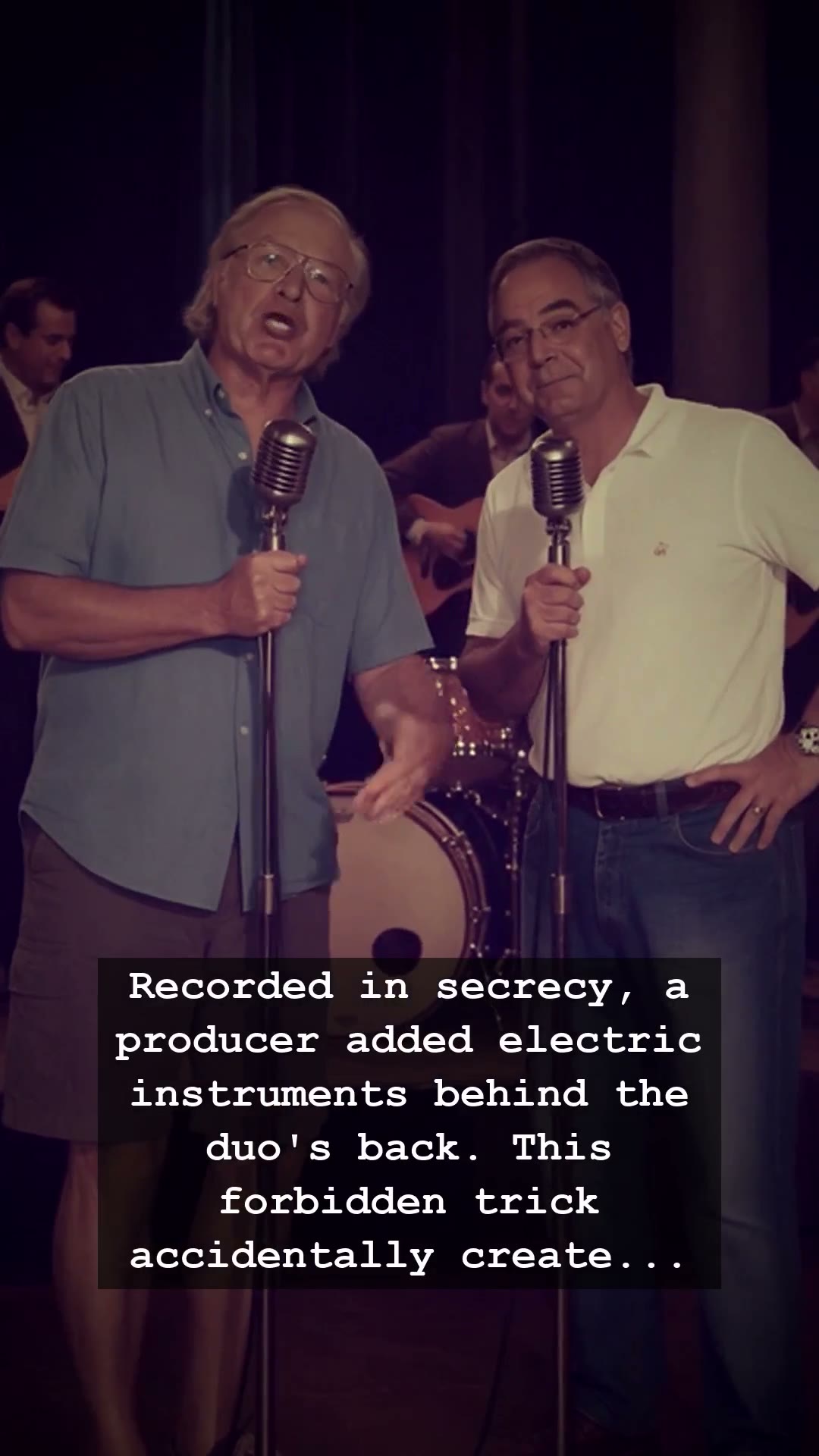
In the mid-1960s, the acoustic folk scene was a quiet sanctuary of poetic introspection, and Simon and Garfunkel were its most promising, yet struggling, duo. After their debut album flopped with the sound of a falling needle in a room full of library books, Paul Simon retreated to England, disillusioned and ready to hang up his guitar. Meanwhile, in a dimly lit studio in New York, a producer named Tom Wilson was staring at the master tapes of The Sound of Silence, a track that had gone nowhere. Driven by a hunch that the world was ready for something more electric, Wilson made a move that would be considered musical sacrilege at the time: he secretly added a driving drum beat, a bass line, and electric guitars over their pristine, acoustic folk harmonies without telling either Paul Simon or Art Garfunkel.
Imagine the shock when the duo first heard the transformed record. They were folk purists, deeply protective of their fragile, interwoven voices. When the electric version of The Sound of Silence hit the radio waves in 1965, it didn’t just climb the charts; it ignited a cultural shift. The added texture gave their lyrics a haunting, modern urgency that resonated with a generation feeling the rising tension of the decade. The producer’s forbidden trick had transformed a forgotten acoustic failure into a haunting masterpiece that felt as vast and lonely as the neon-lit urban landscapes it described.
This clandestine overdubbing session changed the trajectory of popular music forever. It proved that the purity of folk could coexist with the raw, rhythmic energy of rock. The success of the song caught Simon and Garfunkel completely off guard, catapulting them from obscurity into the blinding spotlight of global fame. They were suddenly the voices of a fractured generation, thrust into a whirlwind of television appearances and sold-out tours that seemed lightyears away from their modest beginnings playing in tiny coffee houses.
Yet, the tension behind the success was palpable. The friction between their artistic integrity and the massive commercial demand for more of that electric sound defined much of their early career. It was a classic clash of art versus industry, a struggle that would eventually shape their complex creative partnership. This was the era of the burgeoning counterculture, a time when a simple transistor radio or a worn-out record player could become an instrument of rebellion, and Simon and Garfunkel found themselves standing at the very center of that storm.
Looking back, the story of The Sound of Silence serves as a reminder of how thin the line is between failure and immortality. It wasn’t just a song; it was a snapshot of a changing world, caught in the transition from the intimacy of the folk coffeehouse to the grand scale of the stadium rock era. Today, when we listen to those iconic opening chords, we are hearing more than just a song—we are hearing the secret history of two legends and the bold producer who dared to break the rules to make them icons. Does it still give you chills the way it did back then?