
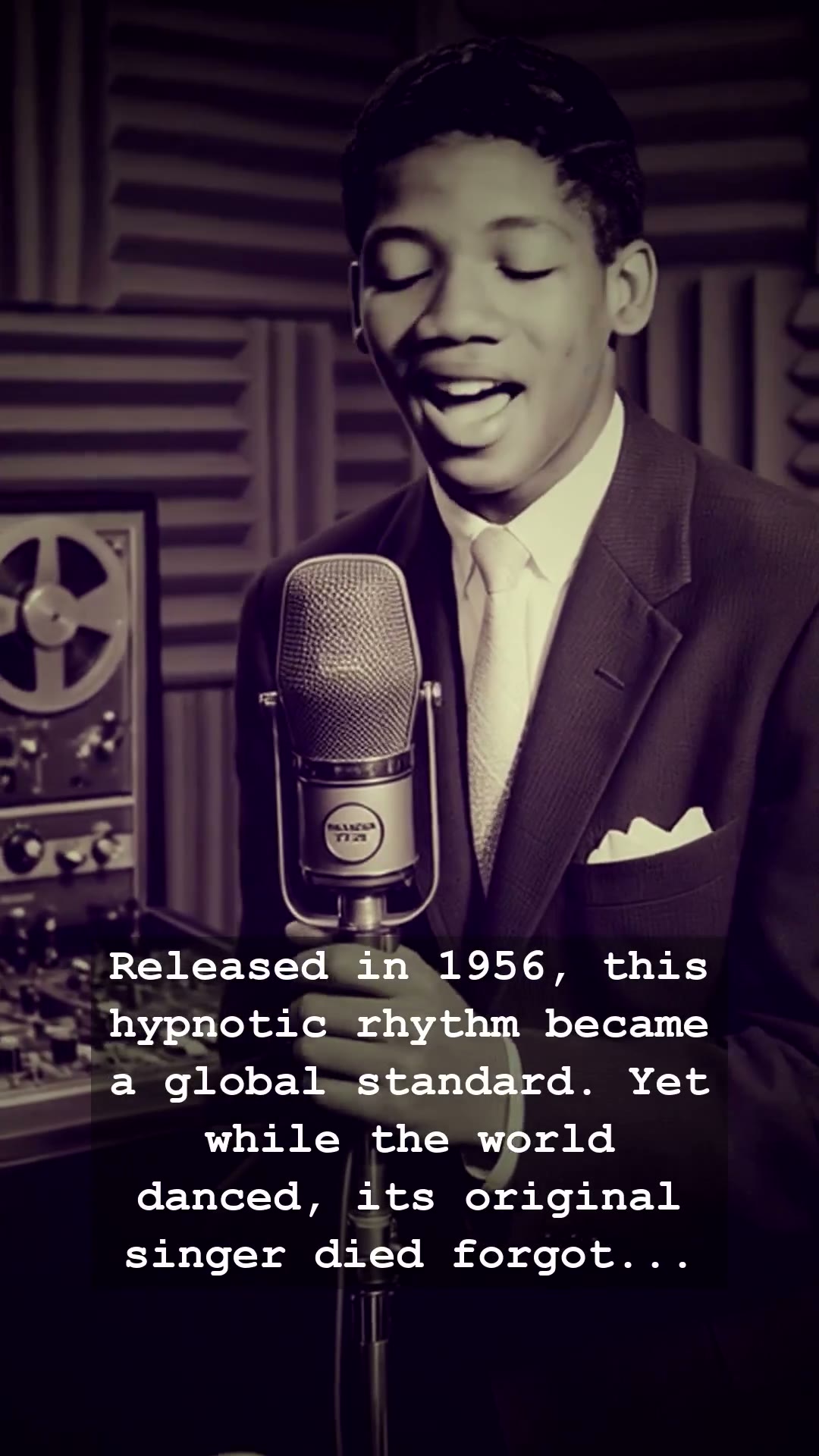
It was 1956, and the airwaves were crackling with a sound that felt like a fever dream. That year, the world was introduced to a hypnotic, pulsing rhythm that would soon become a global standard for rhythm and blues. The man behind the velvet-smooth, yet hauntingly dangerous voice was Little Willie John. To those who crowded into the smoke-filled clubs or listened intently by their bedroom radios, he was a giant of the stage, a vocal powerhouse whose intensity could stop a jukebox in its tracks. But while the world was dancing to his hits, a dark, suffocating reality was closing in on the young man behind the microphone.
Little Willie John was a prodigy of the mid-fifties R&B scene, a singer who possessed a raw, electrifying talent that seemed far beyond his years. His track Fever, in particular, became an anthem of the era, later immortalized by countless others, yet the original soul of the song remained etched in his signature style. He had the kind of charisma that lit up the stages of the pre-MTV era, captivating audiences with a voice that was both cool as ice and hot as the records he pressed. But behind the glitz of the golden age of R&B, the pressures of fame began to weigh heavily on him.
Fame in the fifties was a double-edged sword, often fueled by late nights, exhaustion, and the volatile environment of touring. Little Willie John struggled to reconcile the brilliance of his artistry with the unraveling of his personal life. Reports of his temper and growing instability began to overshadow his musical contributions. It was a tragic trajectory often seen in the annals of music history, where the brightest lights are frequently the first to burn out. The industry, ever hungry for the next big thing, began to lose interest as his personal conflicts escalated into something far more dangerous than just stage-fright.
The turning point arrived in 1964 during a brawl in Seattle that would alter the course of his life forever. Charged with manslaughter, the man who once commanded the attention of millions found himself confined to the sterile, gray walls of the Washington State Penitentiary. While the music industry moved on to the psychedelic sounds of the late sixties, Little Willie John remained in isolation. He died in prison in 1968 at the heartbreaking age of thirty, silenced long before his time and largely forgotten by the public that had once adored him.
Looking back today, the story of Little Willie John serves as a sobering reminder of the high cost of stardom. He was a pioneer whose influence paved the way for the soul legends who followed, yet his legacy is forever tethered to his tragic demise. When you hear that iconic rhythm today, remember the man who gave it life. His voice remains a haunting echo of a bygone era, proving that while musicians may fade, the soul they leave behind never truly dies.