
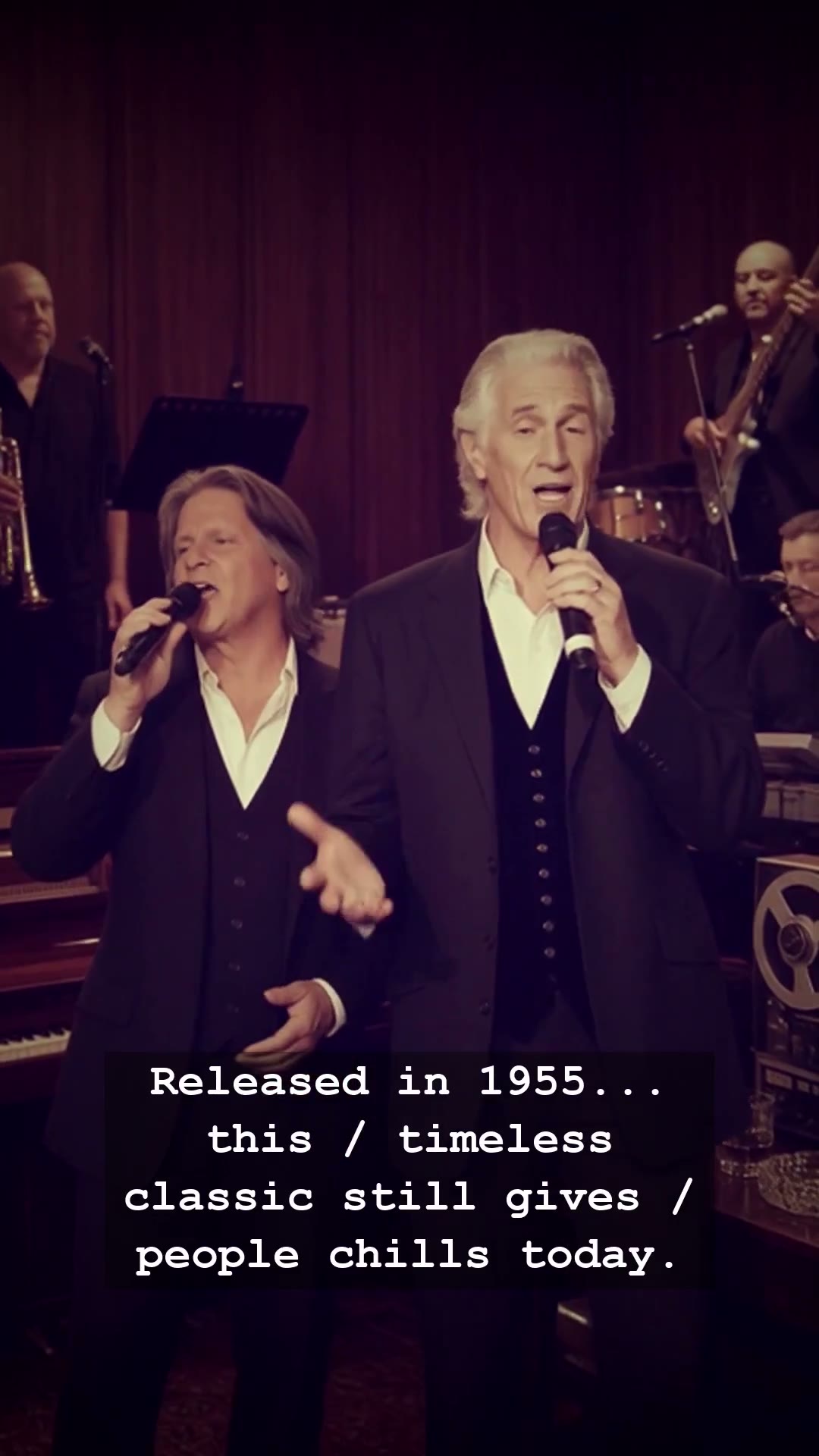
It begins with a lonely, echoing piano note that feels like a ghost calling out from the mid-fifties. When you hear the opening strains of Unchained Melody, time seems to stop. Released in 1955, this song transcended its original purpose to become an eternal anthem of longing. While many have tried to capture its essence, it is the visceral, soulful delivery by The Righteous Brothers that etched the track into the collective consciousness of a generation. Decades later, the song still carries a weight that feels as heavy and authentic as a rainy night in a neon-lit city, reminding us why it remains one of the greatest vocal performances in music history.
To understand the gravity of The Righteous Brothers and their definitive 1965 version, one must look at the culture of the era. The air was thick with the shifting tides of the mid-sixties. While the British Invasion was changing the sonic landscape, Bobby Hatfield and Bill Medley were crafting something deeper. Their style, famously dubbed blue-eyed soul, bridged the gap between the raw emotion of R&B and the polished production of the pop charts. When Hatfield took the spotlight for his solo on Unchained Melody, he wasn’t just singing; he was pouring the entirety of his artistic tension into the microphone. It was a moment of vulnerability that resonated through the speakers of every local jukebox, grounding the listener in a pure, unadulterated human connection.
The backstory of the track is as dramatic as the song itself. Originally written for a forgotten prison film, the melody was destined for greatness, yet it required the specific, tortured chemistry of The Righteous Brothers to reach its full potential. Reports from the studio sessions suggest that the tension between Medley and Hatfield was often palpable, a hallmark of their volatile professional relationship that fueled their incredible sound. They were two men with vastly different registers and temperaments, yet when they locked into a harmony, they created a sonic architecture that defined the decade. It was the sound of a generation trying to balance the post-war optimism with the growing shadows of a changing world.
There is a specific, chilling clarity to the song that separates it from the hits of the MTV era or the synthetic beats of the late eighties. It doesn’t rely on production tricks or heavy studio manipulation. Instead, it leans on the sheer, terrifying power of the human voice. This is perhaps why, even in our digital age, the song still moves listeners to tears. It evokes the feeling of a Walkman playing on a lonely bus ride or a slow dance under the dim lights of a high school gymnasium. It is a time capsule, preserving the ghost of a love that never quite found its way home, articulated perfectly by the soaring, desperate vocal runs of Bobby Hatfield.
As we look back at the landscape of American music, from the early days of rock and roll to the complex layers of modern production, very few songs have held their ground as firmly as this one. The Righteous Brothers did more than record a song; they captured an emotion that is as timeless as the stars. Every time the track begins, the world falls away, leaving only the memory of what it meant to love and lose in the golden age of American music. It remains a haunting masterpiece, a testament to the fact that while trends fade and icons fall, true soul music never really dies.