
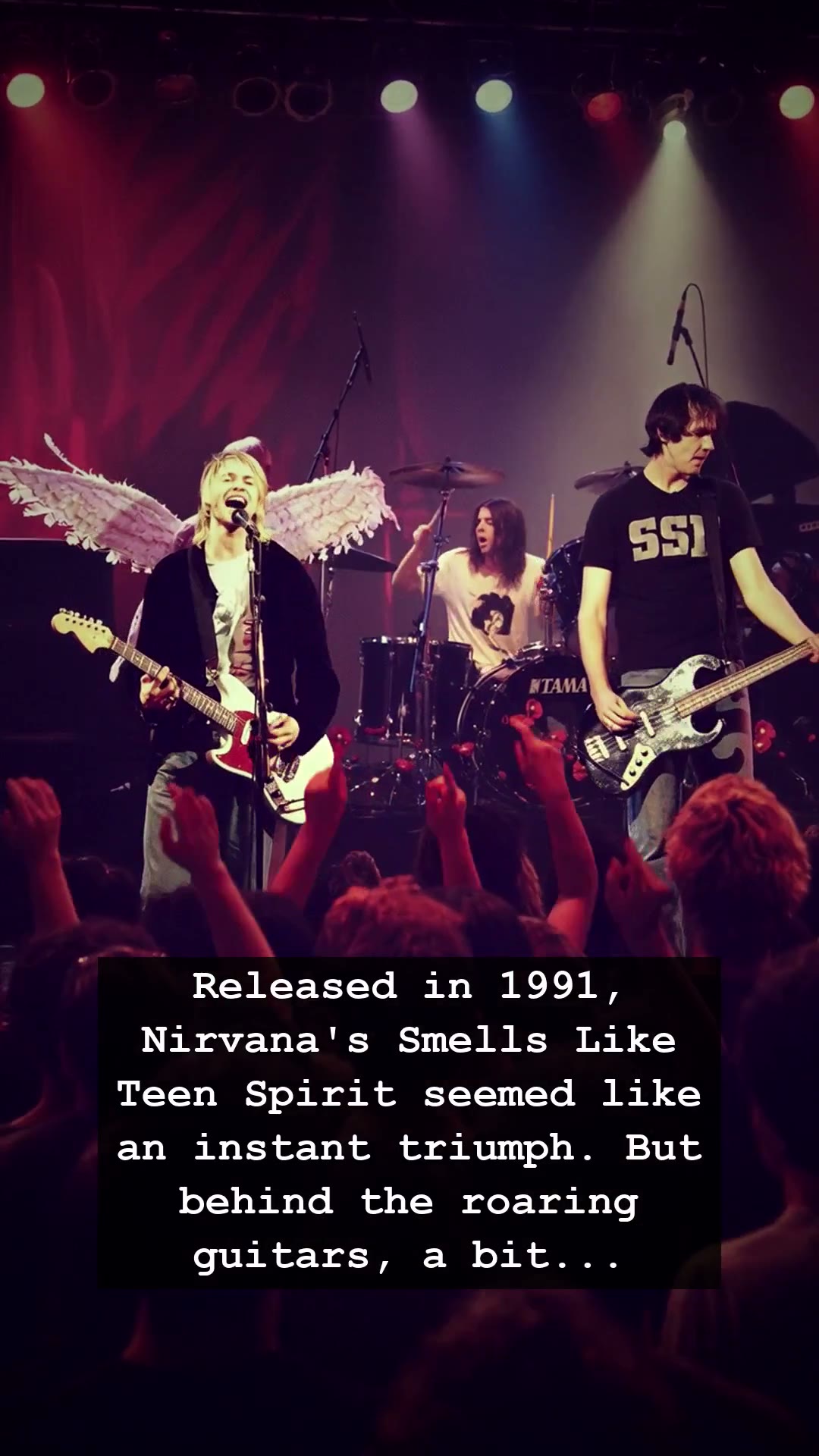
In 1991, the air in Seattle was thick with the scent of damp flannel and the promise of a revolution. When Nirvana unleashed Smells Like Teen Spirit, the world stopped dead in its tracks. It was an instant, tectonic shift that signaled the death of polished glam metal and the violent birth of the grunge era. Yet, behind the roaring feedback and Kurt Cobain’s guttural screams, a bitter, unspoken war was quietly simmering in the underground. While history often paints the Pacific Northwest as a unified front, the truth is far more jagged, characterized by a deep-seated tension between the iconic Nirvana and their contemporaries, Pearl Jam.
To understand the rift, one must remember that Seattle was a small, insular community before the MTV cameras arrived to exploit its grime. Nirvana, led by the enigmatic Kurt Cobain, viewed themselves as the pure, unadulterated soul of the underground. They were cynical, art-school outsiders who held a deep disdain for the mainstream. When Pearl Jam arrived on the scene with their polished, arena-ready anthems and Eddie Vedder’s stadium-filling baritone, Cobain didn’t see a brother-in-arms. He saw a corporate-friendly imitation of the very movement he was trying to protect. The rivalry wasn’t just about record sales; it was a fundamental clash of ideology that left scars on the decade.
Cobain was notoriously vocal about his distaste for Pearl Jam, often labeling them as sellouts who were capitalizing on the authentic struggle of the Seattle scene. In his private journals and candid interviews, he questioned the sincerity of their blues-rock influences, viewing them as a product designed for radio play rather than a jagged expression of pain. For the fans of the early nineties, these comments felt like a betrayal of the scene’s ethos. It was a time when the Jukebox in every dive bar felt like a battlefield, with listeners forced to choose between the raw, nihilistic grit of Nirvana and the earnest, stadium-soaring power of Pearl Jam.
The friction reached a boiling point at the MTV Video Music Awards, where the air was thick with palpable awkwardness. While both bands were riding the wave of an unprecedented cultural phenomenon, the tension between them served as a dark reminder of the pressure that comes with fame. This wasn’t just about music; it was about the dark side of success, the crushing weight of public perception, and the struggle to maintain artistic integrity while the world clamored for a piece of your soul. For many, this rivalry represents the loss of innocence in a scene that once felt untouchable.
Looking back, the animosity between these two giants feels like a tragic waste of potential, a symptom of the era’s volatile, high-stakes atmosphere. Today, as we look at their legacies, it is clear that both Nirvana and Pearl Jam were essential to defining a generation. They were two sides of the same Seattle coin, forever linked by the rain-soaked streets where they started. The rivalry may have faded, but the echoes of their confrontation still resonate, reminding us that even the most legendary music is born from the most human, and sometimes most flawed, of conflicts.