
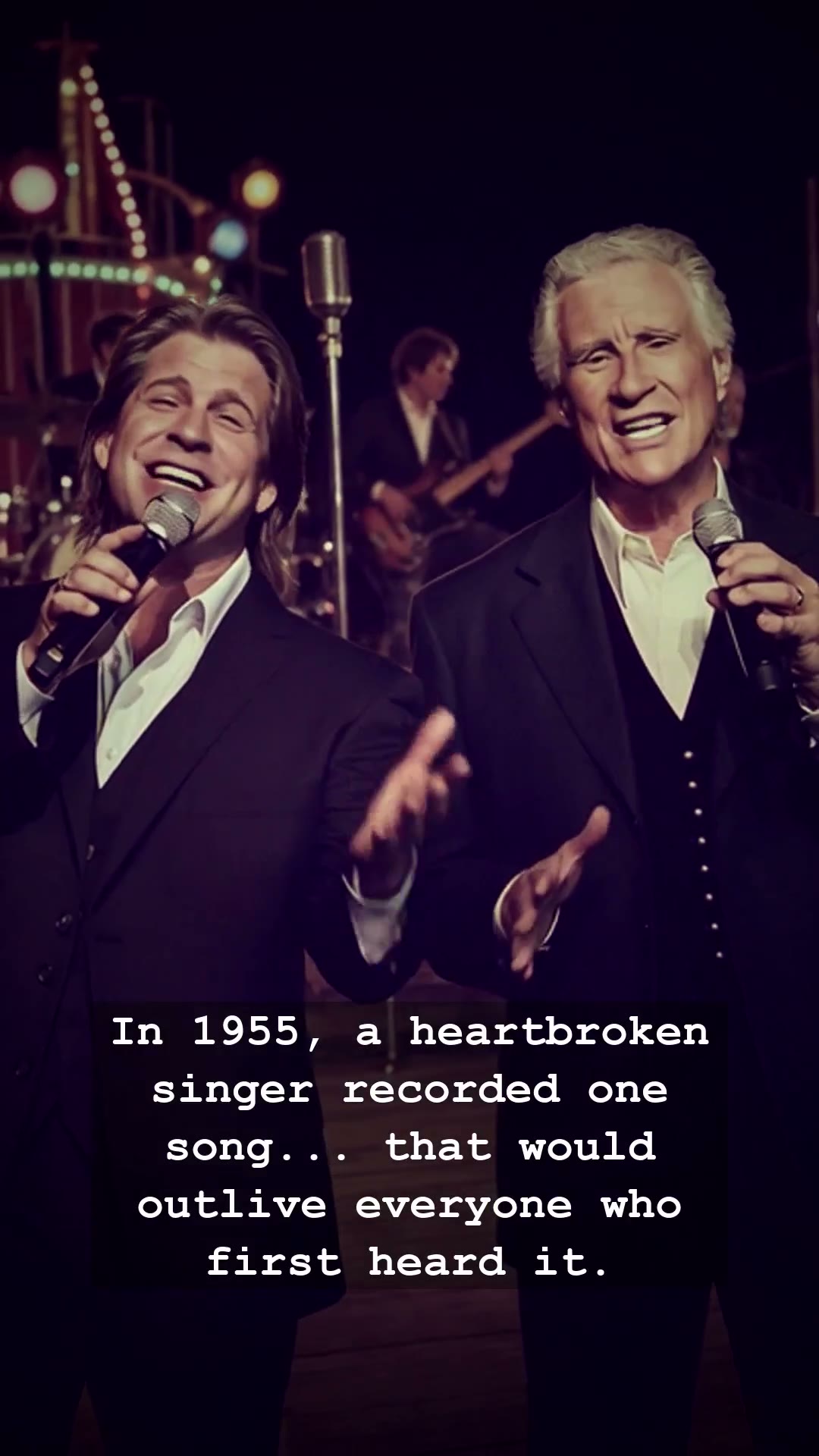
In 1955, the airwaves were dominated by the glow of the vacuum tube radio and the rhythmic crackle of the local jukebox. It was a time when teenage dreams were etched into 45 RPM vinyl, and love songs were the currency of the youth. Yet, amidst the upbeat rhythms of early Rock and Roll, one song emerged from the shadows of personal despair to capture the collective soul of a generation. That song was The Platters hit Only You, a masterpiece that transformed the pain of a struggling artist into an immortal anthem of longing. Most listeners assumed it was merely a sweet melody, but the true story behind its recording is a tale of profound heartbreak that refuses to fade away even seventy years later.
At the center of this melancholic triumph was Tony Williams, the lead singer whose velvet-smooth voice became the heartbeat of The Platters. Before the fame, the lights of the theater, and the iconic status, there was only the grueling reality of poverty and the sting of unrequited love. Williams famously recorded the track while dealing with the crushing weight of rejection and financial hardship. He didn’t just sing the lyrics; he bled them into the microphone. There is a specific kind of magic that occurs when an artist channels genuine misery into art, and in that dimly lit recording studio, the band inadvertently created a sonic time capsule that would outlive everyone who first heard it on their living room consoles.
The industry at the time was a cutthroat world where artists were often discarded as quickly as they were signed. When the demo for Only You was initially rejected by several labels, many thought the dream was dead. The band had to fight tooth and nail to keep the song alive, performing in small, smoke-filled clubs where the clinking of glasses often drowned out the band. Yet, the song possessed an undeniable, haunting quality—a vulnerability that cut through the noise of the mid-fifties. It wasn’t just another love song; it was a prayer whispered in the dark, a sentiment that resonated with every broken heart from the local soda fountain to the late-night diners.
As the song finally climbed the charts, it bridged the gap between the fading crooner era and the incoming tide of rock and pop. It became a permanent fixture in the American consciousness, echoed through the decades via television soundtracks and romantic milestones. Even today, the opening chords of Only You bring a sudden, vivid sense of nostalgia—a yearning for a simpler time when love felt monumental and absolute. We often forget that these legendary voices were real people carrying real burdens, yet their ability to turn suffering into beauty is exactly what cements their legacy in the golden age of American music.
Looking back, it is easy to see why this 1955 classic has endured. It captures the universal human experience of wanting, losing, and waiting. While the technology has shifted from the tactile joy of the jukebox and Walkman to the invisible streams of today, the emotional weight of Tony Williams performance remains heavy and real. Perhaps the next time you hear those iconic opening notes, you will listen a little closer, recognizing the ghost of a man who turned his darkest hour into a light that still glows brightly today. Have you ever wondered how much of your favorite music was built on the foundation of someone else’s quiet sorrow?