
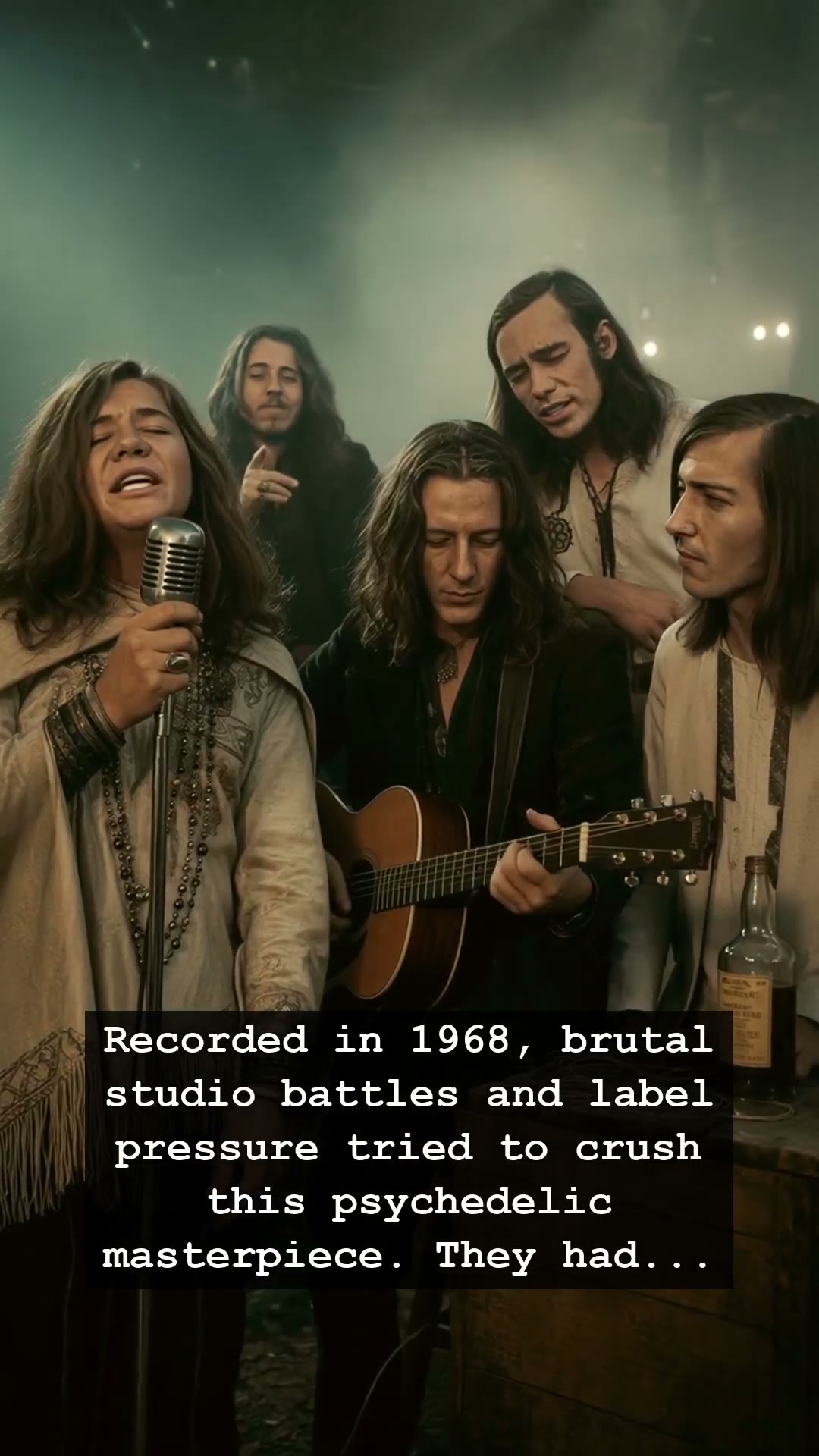
The year was 1968, and the air in San Francisco was thick with the scent of rebellion and patchouli. Inside the studio, however, the atmosphere was far from the peace and love preached on the streets. Big Brother and the Holding Company were locked in a claustrophobic pressure cooker, attempting to capture the raw, unrefined lightning of their live performances for a studio record. Janis Joplin, a woman whose voice sounded like it was forged in a furnace of heartbreak and liberation, stood at the center of the storm. The label wanted a radio-friendly hit, but Janis and her bandmates were chasing something much darker, heavier, and more authentically chaotic.
The friction was palpable. Producers and label executives hovered like vultures, demanding polish and precision, constantly clashing with the band’s psychedelic instincts. It was a tug-of-war between commercial viability and artistic integrity. Janis Joplin felt the crushing weight of expectation, knowing that her soul was being bartered for record sales. The tension within the studio walls became so thick it could be cut with a switchblade. The band members were often at each other’s throats, exhausted by the grueling pace and the relentless scrutiny that comes with the territory of mid-sixties fame. They were young, fueled by a dangerous cocktail of substances and raw ambition, teetering on the edge of a nervous collapse.
Yet, through that very friction, the masterpiece known as Cheap Thrills was born. It wasn’t just an album; it was a visceral document of a shifting cultural landscape. When listeners dropped the needle on their turntables, they weren’t hearing a sanitized pop production. They were hearing the blood, sweat, and tears of Janis Joplin fighting for her voice. The album captured the essence of the Haight-Ashbury era—the grit of the underground scene before it was commodified by the mainstream machine. It was loud, it was messy, and it was undeniably human in a way that modern studio perfectionism can never replicate.
Looking back, the success of Janis Joplin during this volatile period feels like a miracle. She carried the band through the bitterness and the ego clashes, transforming their internal conflicts into sonic power. Tracks like Piece of My Heart became anthems for the disillusioned, echoing through the jukeboxes of dingy bars and the bedrooms of rebellious teenagers across America. Even decades later, the sonic distortion and the sheer, unbridled emotion in her delivery remind us of a time when rock music was a dangerous weapon of self-expression rather than a calculated product.
Janis Joplin remains the enduring ghost of that 1968 chaos, a reminder that the most profound art often emerges from the deepest suffering. The studio battles that nearly tore Big Brother and the Holding Company apart ultimately forged a legacy that outlived the internal drama and the corporate pressure. As you spin those vintage vinyl records today, you are listening to a moment in history that refused to be silenced by industry constraints. It is a testament to the fact that when art is truly raw, it never really dies; it just continues to haunt the speakers of every generation that dares to listen.