
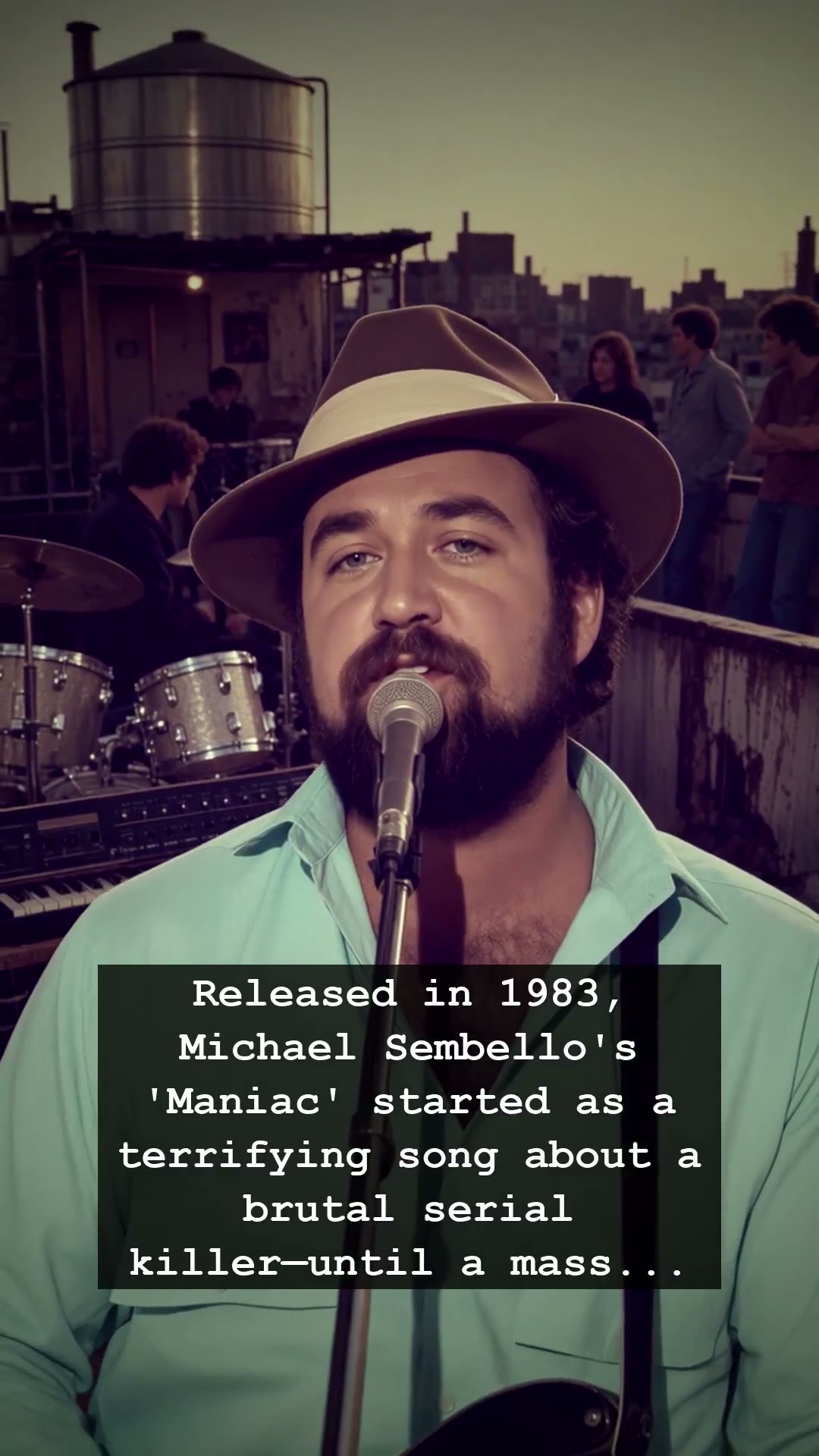
Picture the year 1983. The neon glow of MTV was just beginning to redefine the cultural landscape, and the air was thick with the scent of hairspray and the relentless pulse of synthesizer-driven pop. Amidst this vibrant backdrop, Michael Sembello delivered one of the most iconic anthems of the decade: Maniac. It was a song that powered aerobics classes, dominated the airwaves, and became inextricably linked to the cinematic grit of the film Flashdance. Yet, if you listen closely to the frantic tempo and the driving, industrial beat, you are hearing the echo of a much darker, more sinister reality that was never meant for the dance floor.
Before Michael Sembello transformed it into a pop masterpiece, Maniac was not a song about chasing dreams or physical exertion. It was a terrifying, visceral portrait of a serial killer. The original lyrics were born from a place of chilling obsession, describing a psychopath roaming the streets, fueled by a violent, unstoppable compulsion. It was a horror track in the truest sense, dripping with suspense and the cold reality of a hunt. To think that a melody associated with leg warmers and sweatbands once harbored such grim, murderous intent feels like a secret hidden in plain sight, tucked away behind a shimmering wall of eighties production.
When the opportunity arose to contribute to the Flashdance soundtrack, Michael Sembello found himself at a crossroads. The film required something with an unrelenting, high-energy pace to match the intensity of its dance sequences. Taking his original, gruesome composition, he stripped away the morbid narrative and replaced the lyrics with themes of obsession in the context of ambition and performance. The transformation was miraculous. The frantic energy that once depicted a predator stalking prey was perfectly repurposed to describe the obsessive, singular focus of a dancer striving for perfection in the spotlight of a cold city.
This shift remains one of the most fascinating pivots in music history. Michael Sembello essentially laundered the darkness, keeping the tension but changing the protagonist from a killer to a dreamer. The result was a track that captured the anxious, high-octane spirit of the decade. As audiences crowded into cinemas or crowded around their home jukeboxes, they were unaware that the frantic, catchy hook was a ghost of a much heavier, more disturbing song that had been buried in the vaults of the studio.
Today, the legacy of Maniac lives on not just as a hit, but as a testament to the versatility of sound. Michael Sembello proved that the line between mania and passion is often thinner than we dare to imagine. Every time that iconic drum machine kicks in, it serves as a reminder of how the music of the eighties was often far more complex than its polished exterior suggested. It invites us to look past the neon, beneath the synthesizer, and into the shadow of the artists who shaped our memories. Does the song still sound like a dance anthem to you, or can you hear the terror lingering beneath the beat?