
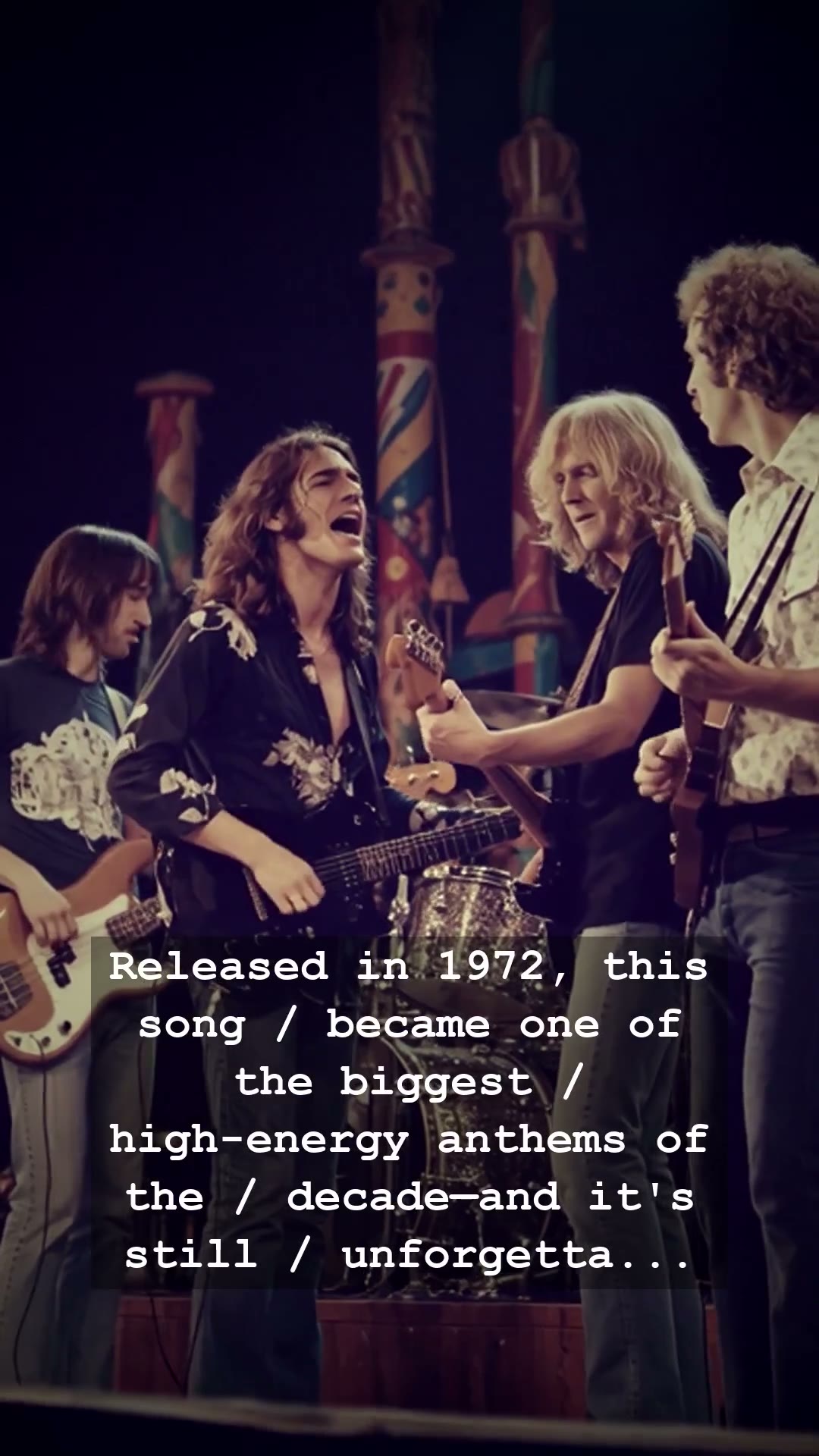
It was 1972, a year when the air felt thick with change and the grit of rock and roll was shifting from the psychedelic dreams of the sixties into something far more dangerous. Deep Purple’s Smoke on the Water was the anthem that defined this transition, a track born from a literal fireball that nearly erased a legendary recording session from history. While the world remembers the iconic, chugging guitar riff that every aspiring musician has attempted to master, the true story behind the song is a chaotic tale of fire, desperation, and the sheer audacity of seventies rock culture. It is a piece of music that, even in 2026, resonates with an untamed energy that modern production simply cannot replicate.
The genesis of Smoke on the Water was not found in a pristine studio, but amidst the ruins of the Montreux Casino in Switzerland. The band had arrived with the intention of recording their album, Machine Head, but a tragic incident during a Frank Zappa concert changed everything. A flare gun fired into the rattan ceiling turned the venue into a towering inferno, sending panic through the crowd and forcing the band members to scramble for their lives. Watching the smoke crawl across the surface of Lake Geneva, the group realized they were witnessing the end of an era, yet they channeled that explosive tension directly into their instruments. They were outcasts in a foreign land, forced to record in a half-empty hotel hallway, yet that adversity birthed a sound that would dominate the decade.
What makes this track so hauntingly unforgettable in our modern age is its raw, unpolished honesty. In an era before the digital perfection of today’s music industry, Smoke on the Water was a snapshot of human survival. The riff is simple, a minor-key statement that feels like a warning, capturing the cynicism of the decade perfectly. It reflects the atmosphere of the time, where stadium rock was becoming a behemoth and bands like Deep Purple were navigating the volatile intersection of massive fame and the crumbling idealism of the rock movement. For those of us who grew up with the static of a vinyl record or the clacking of a cassette in a Walkman, this song is more than a classic; it is a visceral memory of a time when music felt like it could actually set the world on fire.
Even now, decades after the smoke cleared over the lake, the cultural footprint of the song remains monumental. It transitioned from a chaotic improvisation into a global phenomenon, finding its way into every jukebox, radio station, and dusty record collection across the globe. The story of its creation serves as a reminder that the greatest art often comes from the brink of total collapse. Today, in 2026, we look back at the seventies not just as a time of bell-bottoms and glam, but as an era of genuine peril and artistic brilliance. When the opening notes of Smoke on the Water cut through the silence, it still carries that dangerous, electric hum that once shook the foundations of Montreux. It is a testament to the fact that while trends fade and technology evolves, the soul of rock and roll remains as eternal and destructive as the fire that inspired it.