
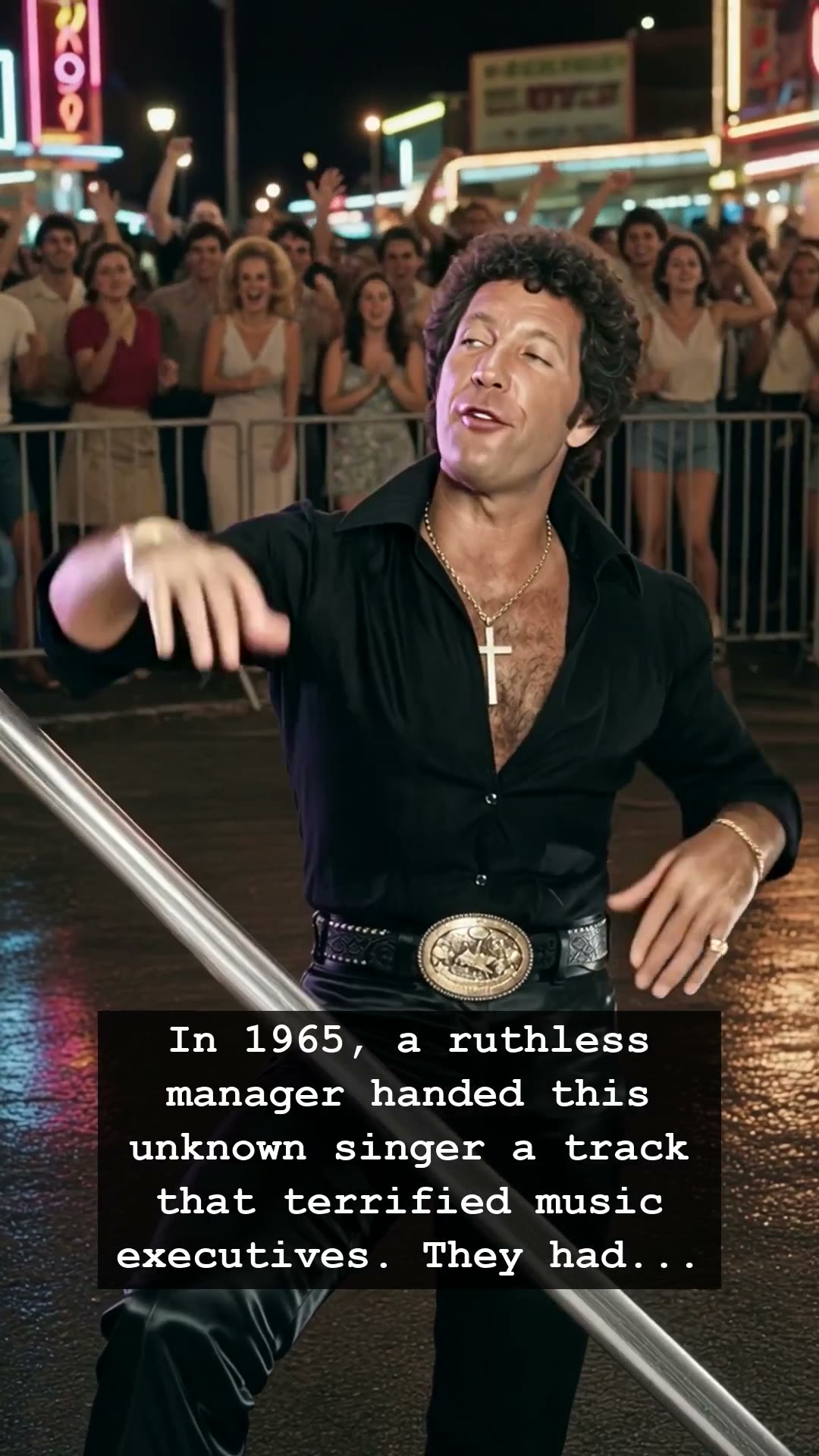
It is 1965, the air in the London studio is thick with the scent of stale tobacco and the nervous energy of an era about to explode. In a cramped, dimly lit backroom, a young, struggling Welsh singer named Tom Jones stands face-to-face with Gordon Mills, a man whose ambition was as sharp as his tailored suits. Mills wasn’t just a manager; he was a strategic puppeteer who saw through the noise of the mid-sixties. He slid a piece of sheet music across a dusty table—a track that industry executives had already dismissed as a throwaway melody. They thought it was too raw, too unrefined, and frankly, a bit of a gamble. They had no idea that this single moment was the spark that would ignite a global phenomenon, transforming a working-class lad into a legendary sex symbol.
The song was It’s Not Unusual, a track that perfectly captured the bubbling, optimistic, yet slightly rebellious spirit of the mid-sixties. When Tom Jones first stepped into the recording booth, he didn’t just sing; he unleashed a baritone roar that defied the polite pop sensibilities of the time. Gordon Mills knew exactly what he was doing. He crafted an image that was equal parts dangerous and irresistible, meticulously grooming Tom Jones to be the antithesis of the polished, harmless idols that dominated the charts. It was a calculated risk that paid off in gold records and sold-out tours, forever changing the trajectory of popular music.
Looking back from our modern digital age, it is easy to forget how much power a manager like Gordon Mills held over the destiny of an artist. In the era of the Jukebox and the burgeoning influence of pirate radio, the relationship between a manager and their protege was a high-stakes chess game played in the shadows of fame. The professional bond between Tom Jones and Mills was the heartbeat of a career that spanned decades, surviving the shifting tides of the British Invasion and the eventual rise of the disco era. It was a partnership defined by grit, instinct, and a refusal to play by the industry’s conservative rulebook.
Today, the legacy of that initial collaboration remains a cornerstone of classic pop music history. Whenever we hear those iconic opening brass chords, we are transported back to a time when music felt tactile, recorded on magnetic tape, and consumed through vinyl. It reminds us of a world before the polished sheen of digital production, where a singer’s raw, unfiltered voice could shake the foundations of a record label. Tom Jones became more than a singer; he became a cultural icon whose appeal transcended generations, fueled by the relentless vision of a man who saw potential where others saw only failure.
As the golden age of the sixties fades into the sunset of our collective memory, stories like this ground us in the human drama that built the soundtrack of our lives. It was never just about the melody; it was about the hunger, the ruthlessness, and the pure, electric energy of discovery. Do you remember where you were the first time that brass section blasted through your speakers?