
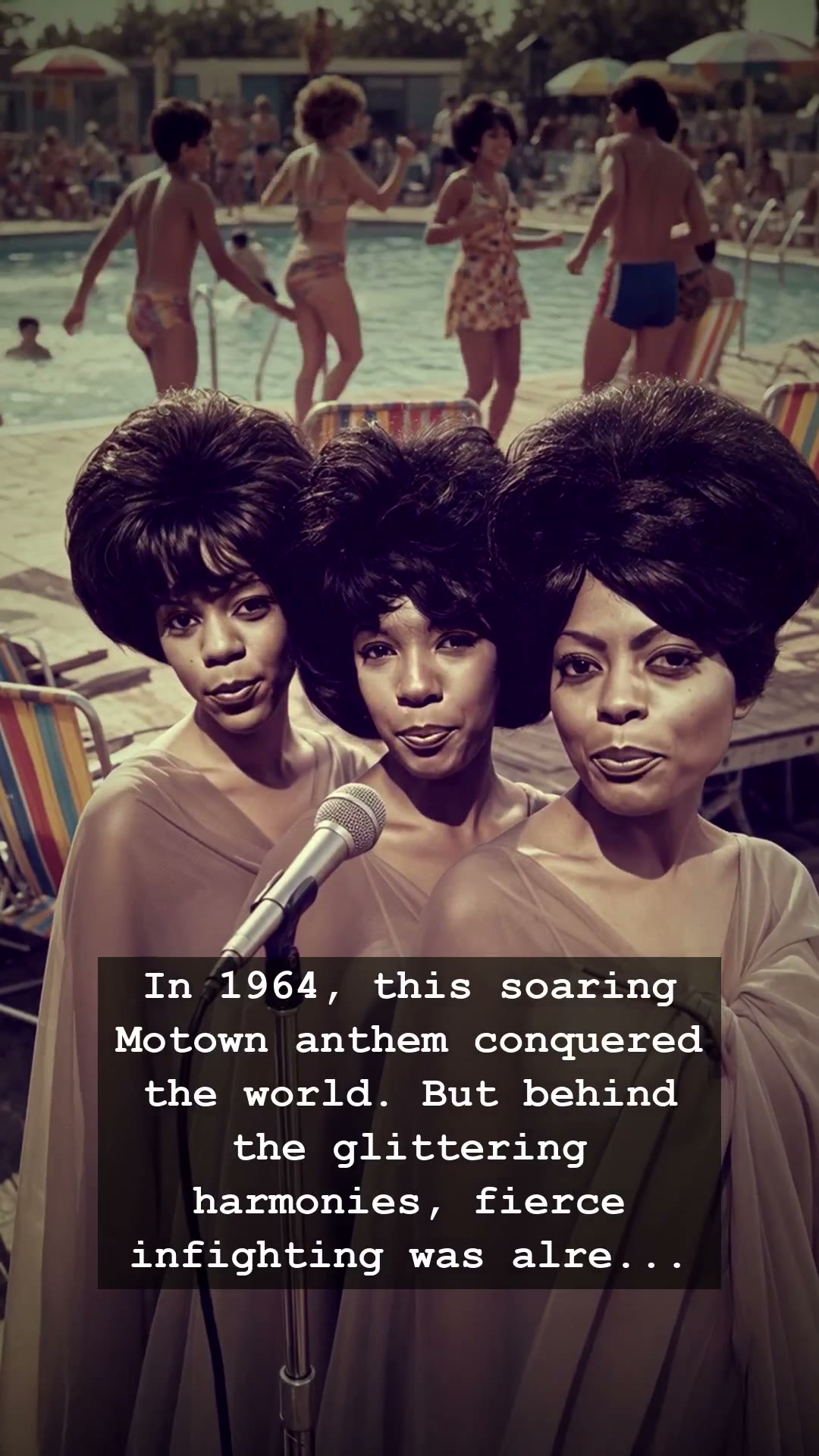
In 1964, the world felt like it was shifting on its axis. Teenagers crowded around their transistor radios, waiting for the crisp, tambourine-heavy introduction of a song that would define a generation. Baby Love, the soaring anthem by The Supremes, wasn’t just a hit; it was a cultural juggernaut that catapulted Diana Ross, Florence Ballard, and Mary Wilson to the stratosphere of global stardom. Yet, as the record climbed the charts and the trio graced the stages of the most prestigious television programs of the era, few realized that the same harmonies that sounded like heaven were, in reality, being held together by threads of resentment and brewing internal storms.
The Motown machine was a gilded cage during the mid-sixties. Under the watchful eye of Berry Gordy, The Supremes were groomed to be the face of polished, crossover success. While the public adored their synchronized movements and identical sequined gowns, the chemistry within the group was rapidly deteriorating. The tension wasn’t just about fame or the pressures of the road; it was a deeply personal struggle for identity. Florence Ballard, the original driving force of the group, began to feel her light being eclipsed as Diana Ross was increasingly pushed to the forefront, becoming the undeniable star. The studio, once a sanctuary for creative collaboration, became a battlefield where the group’s delicate balance of power fractured under the relentless weight of ambition.
Looking back, the success of The Supremes is inextricably linked to the tension that defined them. Every note of Baby Love carries a double meaning for those who know the history. While the vocals were smooth and polished, the reality was a fragile facade that masked years of growing professional jealousy and shattered friendships. The recording booth at Hitsville U.S.A. captured a pristine pop performance, but it also witnessed the quiet disintegration of a bond that started in the housing projects of Detroit. It is a classic tragedy of the American dream: the higher they climbed on the charts, the further apart the trio drifted in their personal lives.
As the sixties bled into the seventies, the glamor of the era—the neon lights of nightclubs and the sheer volume of record sales—often obscured the human cost of being a Motown legend. The public saw the gowns and heard the pristine production, never glimpsing the exhaustion or the internal wars that followed them from the stage to the dressing room. Even today, the legacy of The Supremes remains a complex tapestry of triumphant artistry and devastating personal loss. Their story serves as a haunting reminder that behind every iconic melody that defined our youth, there exists a human struggle that history often brushes under the rug.
Decades later, the music of The Supremes remains as captivating as ever. When we listen to those timeless tracks, we aren’t just hearing a song; we are stepping back into a moment in time where pop music was evolving into an art form. The drama, the betrayal, and the sheer brilliance of their output created a template for every girl group that followed. Their story is a bittersweet echo of a golden era, reminding us that even the most perfect harmonies can hide the most jagged truths.