
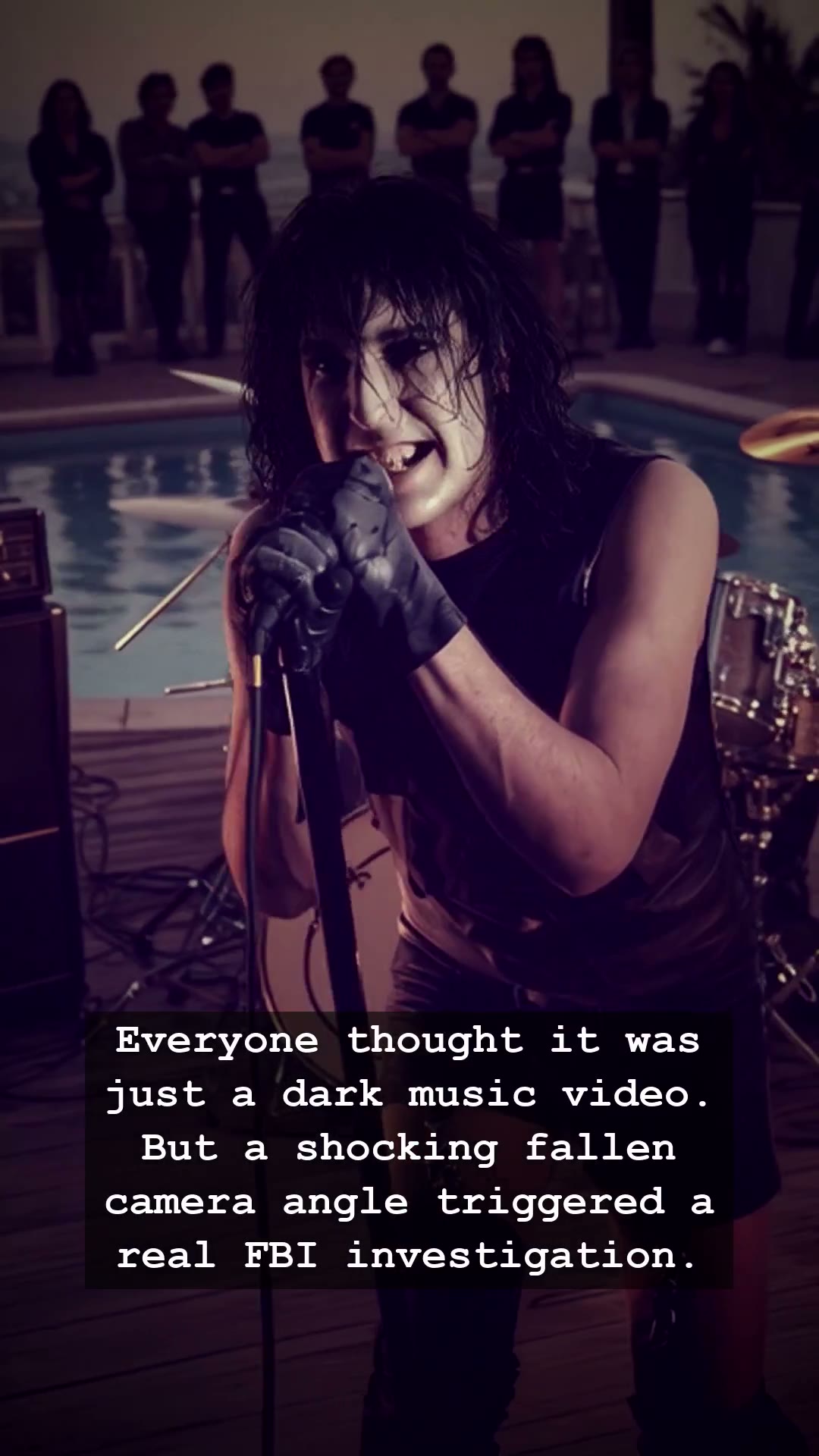
It was the golden era of MTV, a time when the television screen was the primary altar for musical rebellion. In the early 1990s, the visual medium was pushing boundaries, but one artist dared to shatter them completely. Trent Reznor, the mastermind behind Nine Inch Nails, was never one to play by the rules of conventional stardom. While his peers were busy crafting polished pop aesthetics, Reznor was channeling something raw, visceral, and genuinely unsettling. It was during the promotion of his dark industrial masterpiece that a single, shaky camera angle would inadvertently summon the heavy hand of federal authority, turning a music video into a focal point of a genuine FBI investigation.
The video in question was for Down in It, a track that served as a grim introduction to the sound of industrial angst. The production featured a gritty, handheld aesthetic that felt dangerously real—a stylistic choice that echoed the lo-fi urgency of the underground scene. To capture the final, haunting shot of the video, the crew rigged a camera to a weather balloon, intended to film a descent from the sky. However, the balloon broke free from its tether, drifting far beyond its intended path. When the camera eventually plummeted to the earth, the footage it captured looked less like an artistic endeavor and more like a macabre crime scene discovery. A local farmer found the device and, seeing the dark, distorted images of what appeared to be a body lying in the mud, promptly handed the tape over to the authorities.
The resulting fallout was something out of a cinematic thriller. The FBI arrived at the conclusion that they were looking at a genuine homicide. They analyzed the grainy, black-and-white images with forensic intensity, convinced they had stumbled upon evidence of a grisly, ritualistic murder. For a brief, bizarre moment, the mastermind of Nine Inch Nails found himself at the center of an official federal inquiry. It was a surreal intersection of dark industrial art and the harsh reality of the legal system, a story that perfectly encapsulates the chaotic atmosphere of the pre-internet music industry where the line between shock value and reality was often blurred by the limitation of technology.
Looking back, this incident feels like a relic of a bygone age, a time when a simple misunderstanding could spiral into a national headline. Trent Reznor did not intend to dupe the government, but the event forever cemented his reputation as an artist who thrived on the edge of discomfort. It was a catalyst that changed MTV censorship forever, as networks became increasingly wary of visuals that were too grounded in the aesthetic of horror and violence. This moment remains a testament to the power of the Nine Inch Nails vision—an era where music wasn’t just heard, but felt with an intensity that demanded the world take notice.
Decades later, the legacy of this investigation still resonates with fans who grew up in the shadow of the Walkman and the VHS boom. It reminds us that Trent Reznor was never just making music; he was crafting a dark, immersive world that challenged the status quo. Whether through the lens of a rogue camera or the deep, distorted synthesizers that defined a generation, he remains a singular figure in the history of rock. As we look back on those gritty, analog days, it serves as a haunting reminder of how one fallen camera can change the course of an artist’s career and the way we consume the forbidden fruits of rock culture.