
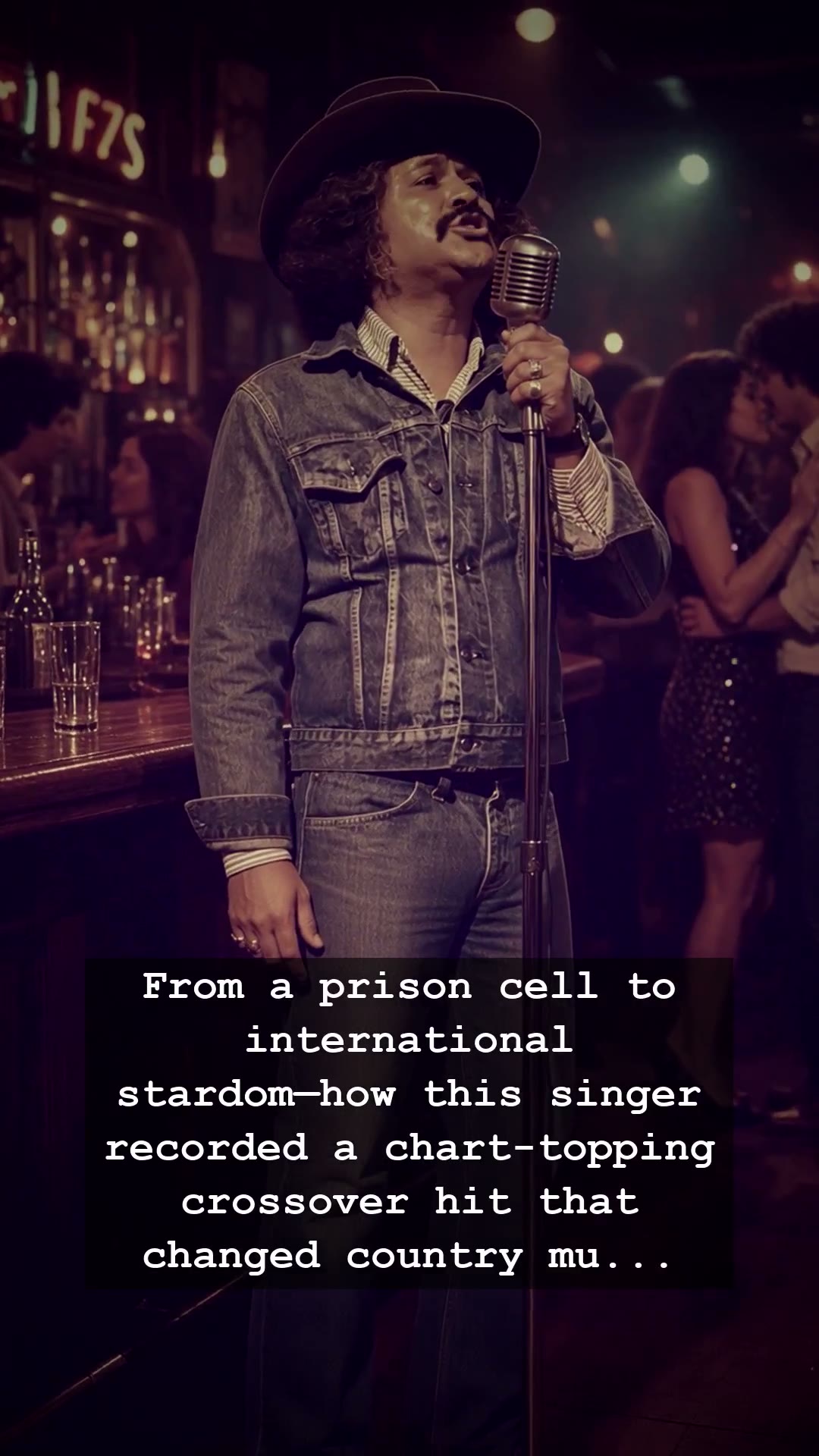
The year was 1975, and the airwaves were dominated by a voice that felt like it had been tempered in the fires of hard living and absolute redemption. While the disco era was beginning to glitter at Studio 54 and the echoes of the 1960s were fading into the rearview mirror, a man named Freddy Fender was staging one of the most unlikely comebacks in musical history. Just years earlier, he was not performing in sold-out arenas or topping the Billboard Hot 100; he was staring at the gray, unforgiving concrete walls of a prison cell in Louisiana. To understand the soul of a song like Before the Next Teardrop Falls, you have to understand the man who sang it, a man whose life was defined by the thin line between stardom and survival.
Born Baldemar Huerta in San Benito, Texas, Freddy Fender carried the rhythms of his Chicano roots in his blood, but he was constantly fighting against a world that tried to pigeonhole his talent. His early brushes with the law led to a period of incarceration that many in the industry thought would mark the permanent end of his career. But the isolation of a prison cell has a way of clarifying one’s artistic intent. When Freddy Fender finally stepped out of that darkness and into the studio, he brought with him a haunting, vulnerable authenticity that the polished, formulaic country stars of the mid-70s simply could not replicate. He was not just singing a song; he was baring a life marked by rejection and resilience.
When he recorded the bilingual masterpiece Before the Next Teardrop Falls, he did something radical for the time. By weaving Spanish lyrics into a country melody, Freddy Fender bridge-built a cultural divide, proving that heartbreak transcends language. It was a crossover hit that shattered barriers, propelling him from the obscurity of a prison uniform to the bright lights of international fame. For those of us who remember tuning our analog radios to catch his voice, the song felt like a revelation—a bridge between the jukebox culture of the working-class bars and the mainstream pop charts that had rarely seen a Latino face.
Beyond the chart success, the story of Freddy Fender is a reminder of the fragility of the American Dream during a decade of transition. His rise served as a stark contrast to the decadence of the era, offering a grounding, emotional weight that resonated with millions who felt unseen. Whether you were listening on a portable Walkman or catching his performance on a crackling television broadcast, his presence was undeniable. He lived the drama that so many country songs only pretended to explore, turning the darkness of his past into a light that illuminated the struggles of everyday people.
Today, the legacy of Freddy Fender remains a powerful testament to the idea that it is never too late to reclaim one’s destiny. In an age where music is often processed to perfection, there is something deeply grounding about his raw, trembling delivery. He changed the landscape of country music forever, proving that a single voice, if filled with enough truth, can break through any wall. As we look back at the icons of the 20th century, let us remember the man who turned his biggest mistakes into a timeless melody that still makes us stop and listen.